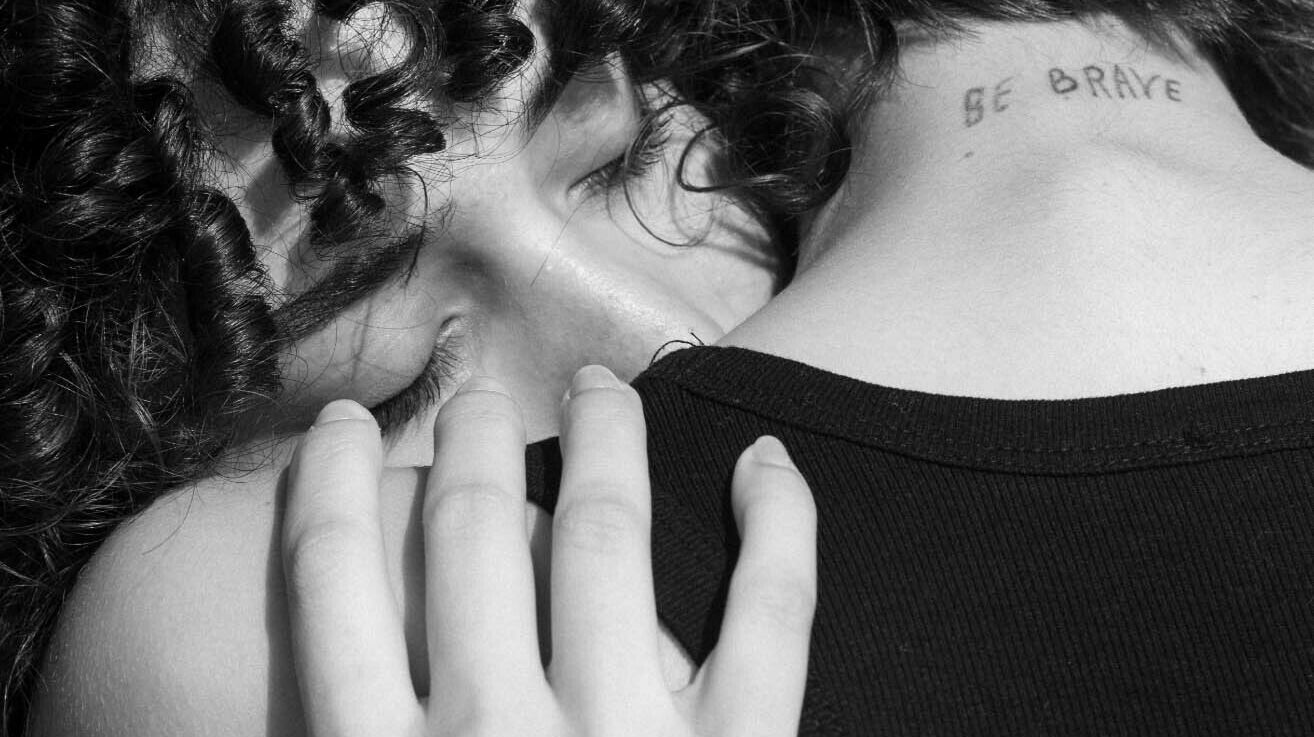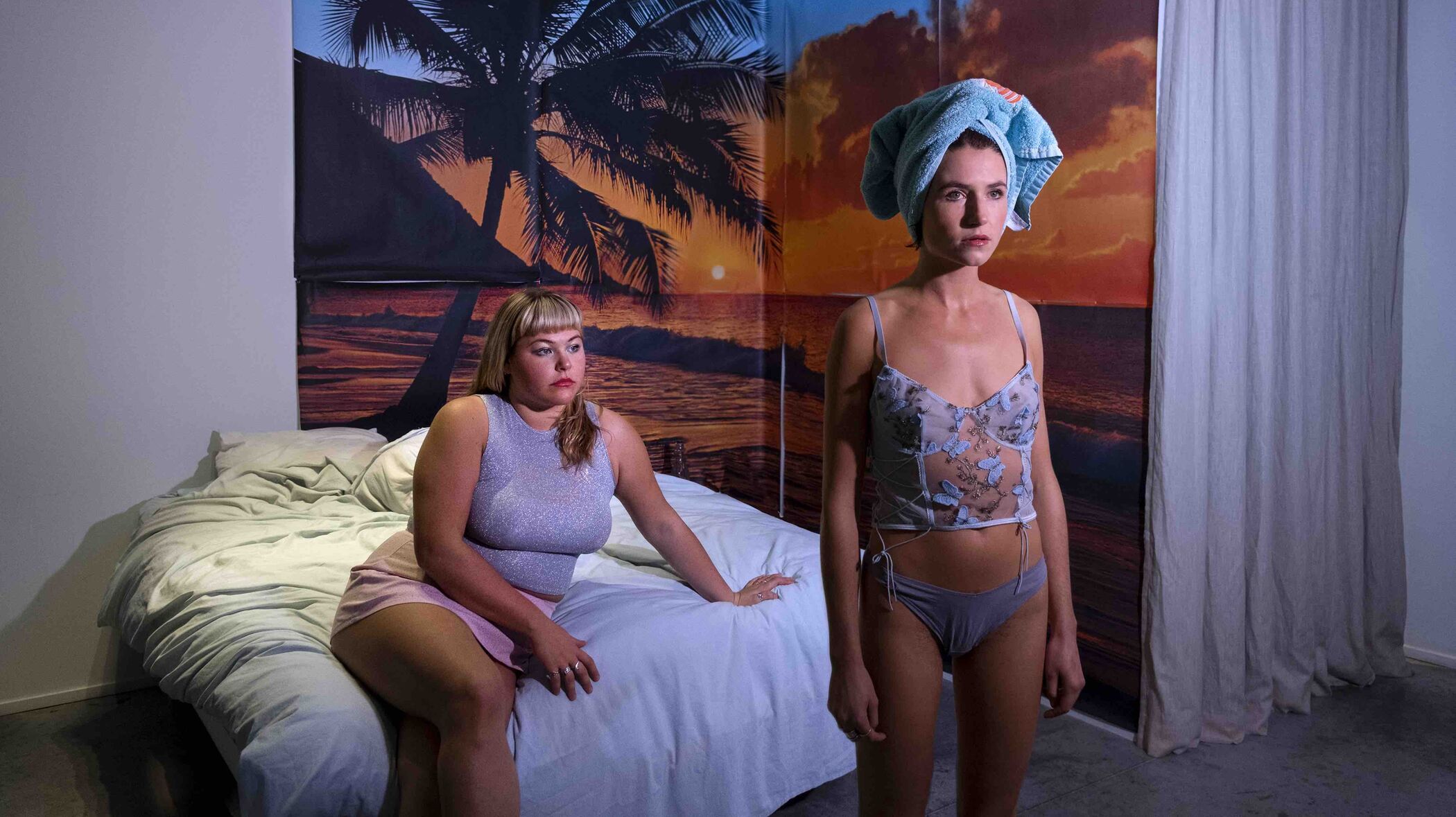
In this third edition, four emerging visual artists are invited to present their work in a group exhibition at Het Bos and to engage in dialogue with each other and the public during a ChitChat & Print Sale at FOMU.
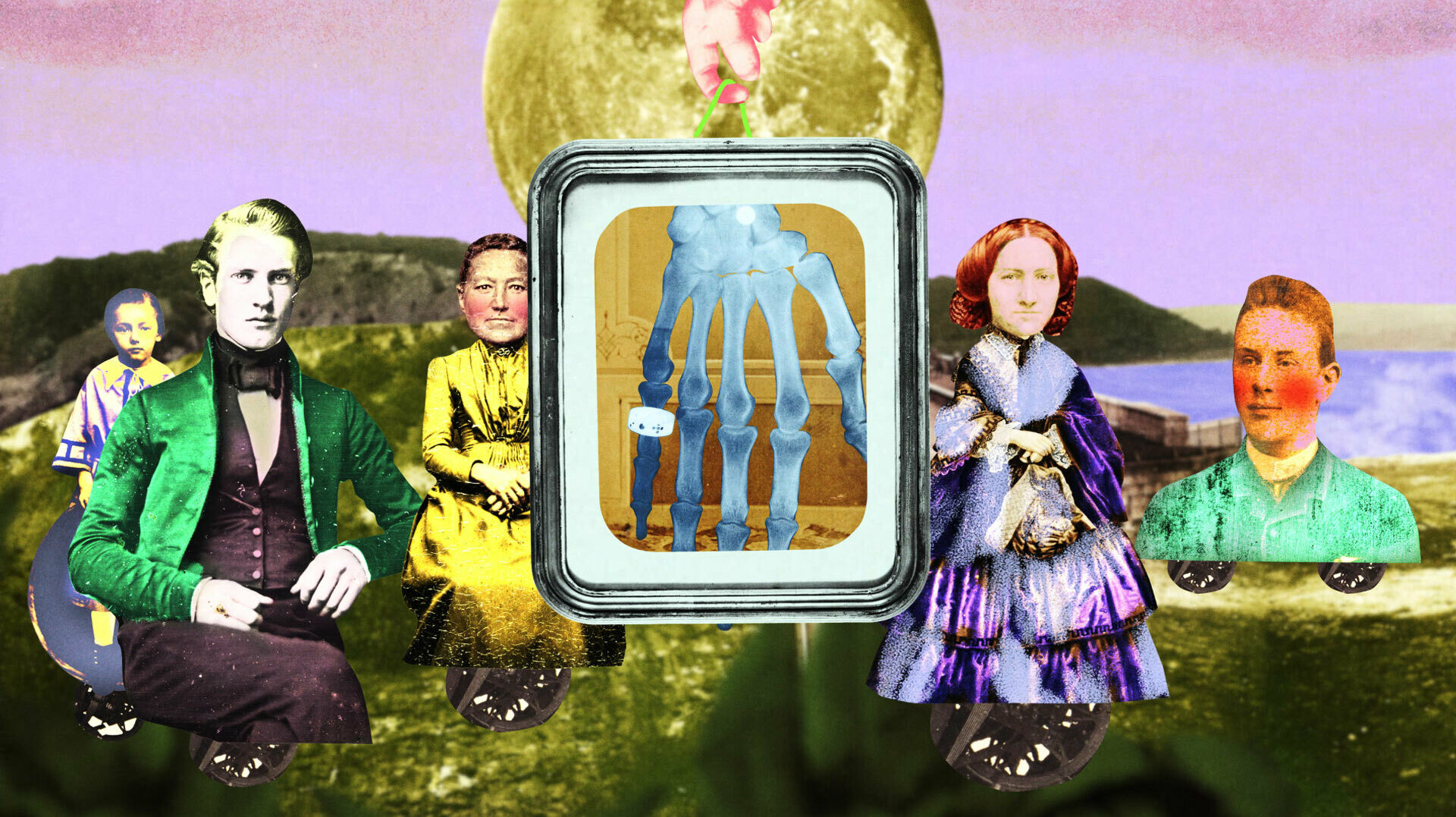
EARLY GAZE documents the birth of Belgian photography, from the very first mug shots to groundbreaking imagery in the arts, medical science and justice. It shows how an elite pastime grew out to become a powerful tool for capturing, controlling and constructing identity.
FOMU and image maker Abel Kleinblatt collaborate on a short video series on 19th-century photographic techniques. Abel explains some of the most well-known photographic processes, from daguerreotypes to albumen printing.
Trigger #6 is made in collaboration with guest editor Taous Dahmani. It is a collection of photographs, essays, and archival material that redefines socio-political gatherings across the SWANA region (Southwest Asia and North Africa).
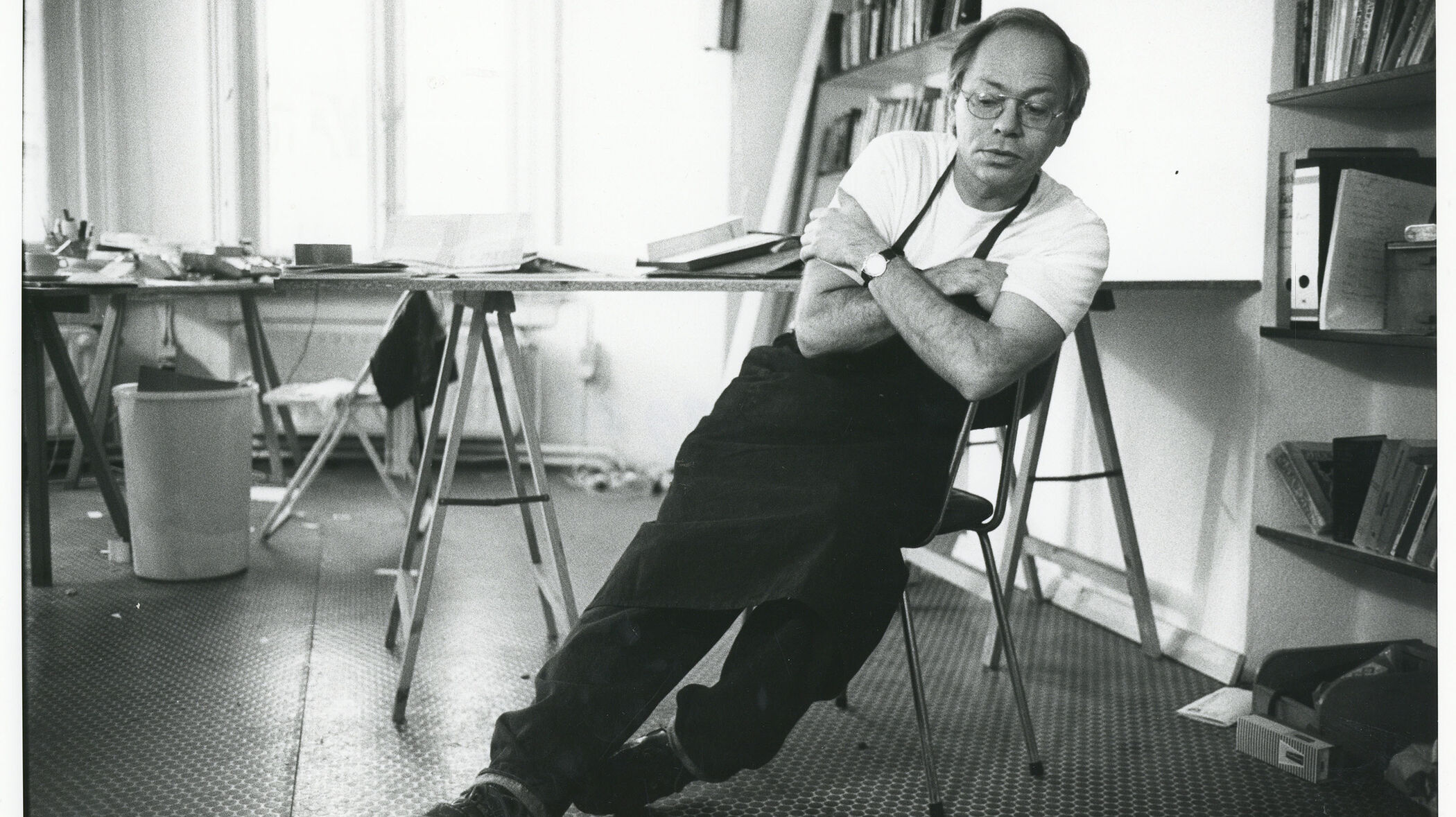
Upon FOMU’s invitation, visual artist Katja Mater (NL, b. 1979) explores the museum’s collection and creates a remarkable selection around the theme of time.
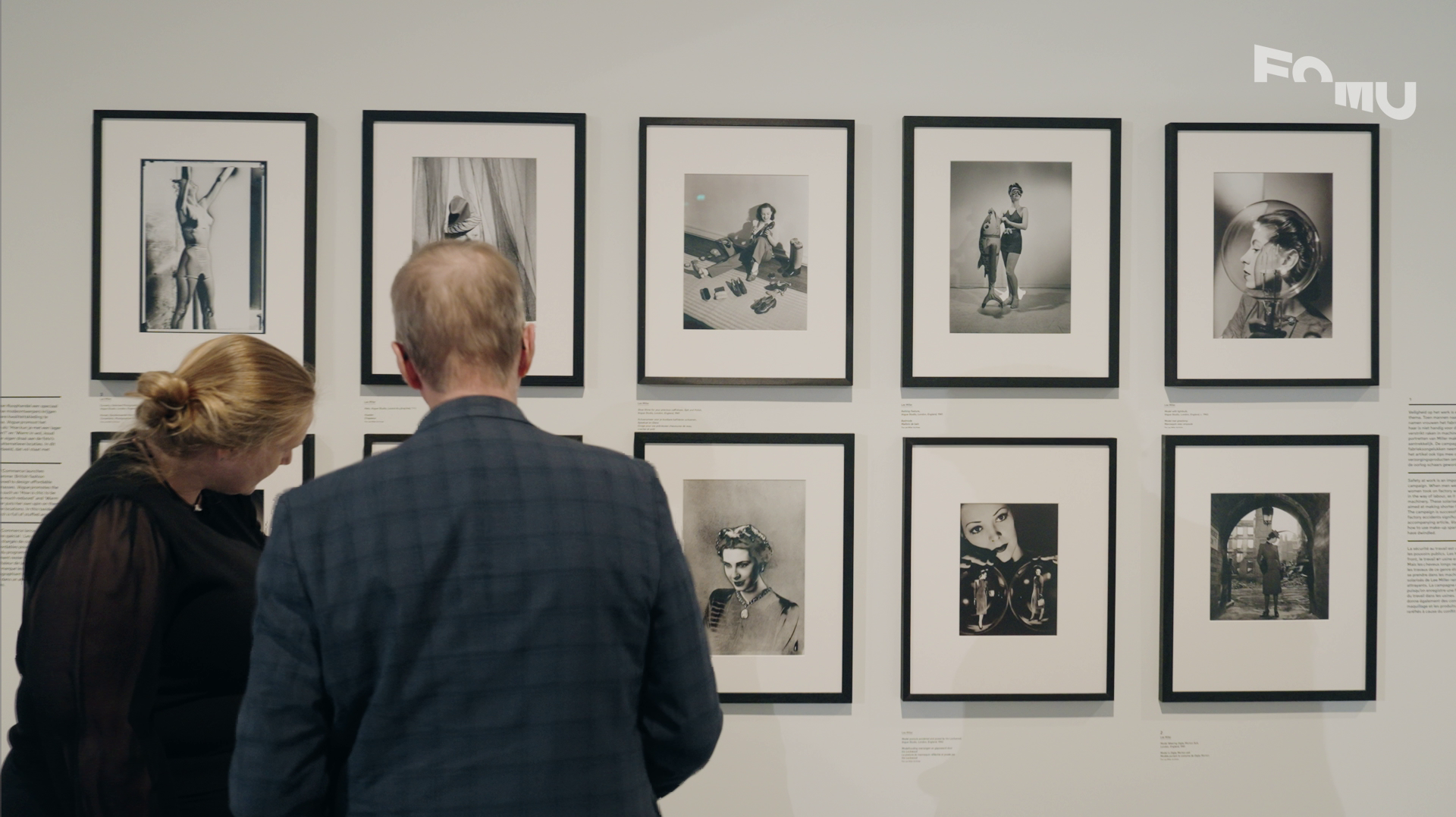
How do son Antony Penrose and granddaughter Ami Bouhassane view their famous (grand)mother, Lee Miller? In this video, they discuss her fascinating life and work.
FOMU and creative agency Mutant™ join forces for FOMUTATIONS, an experimental format of in depht talks by internationally renowned image makers. They challenge existing perspectives on visual culture and spark debate.
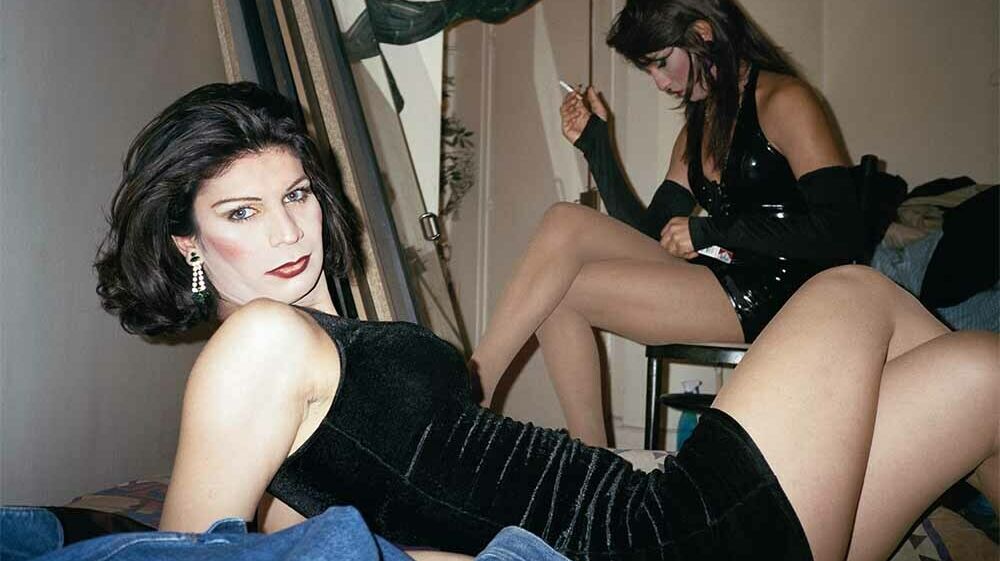
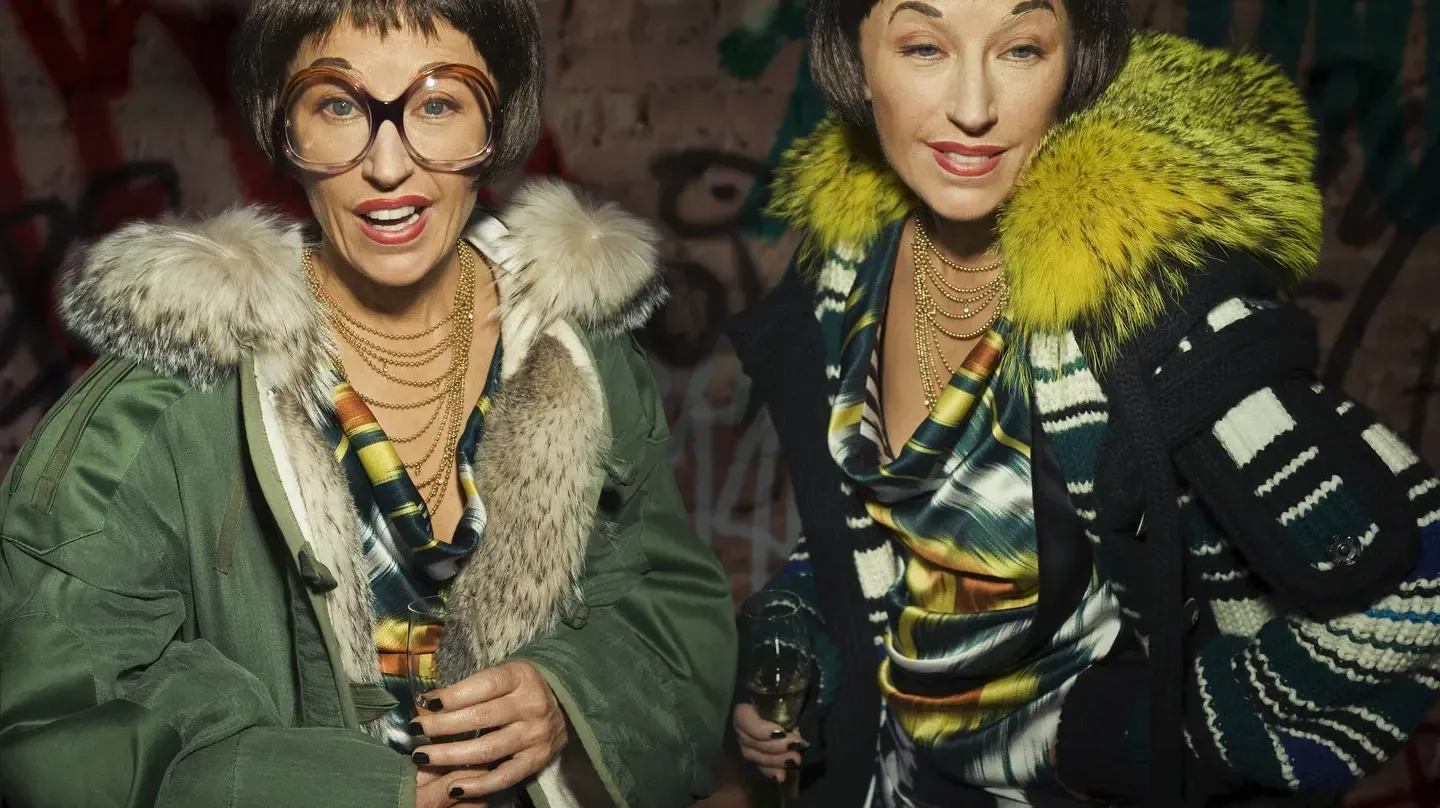
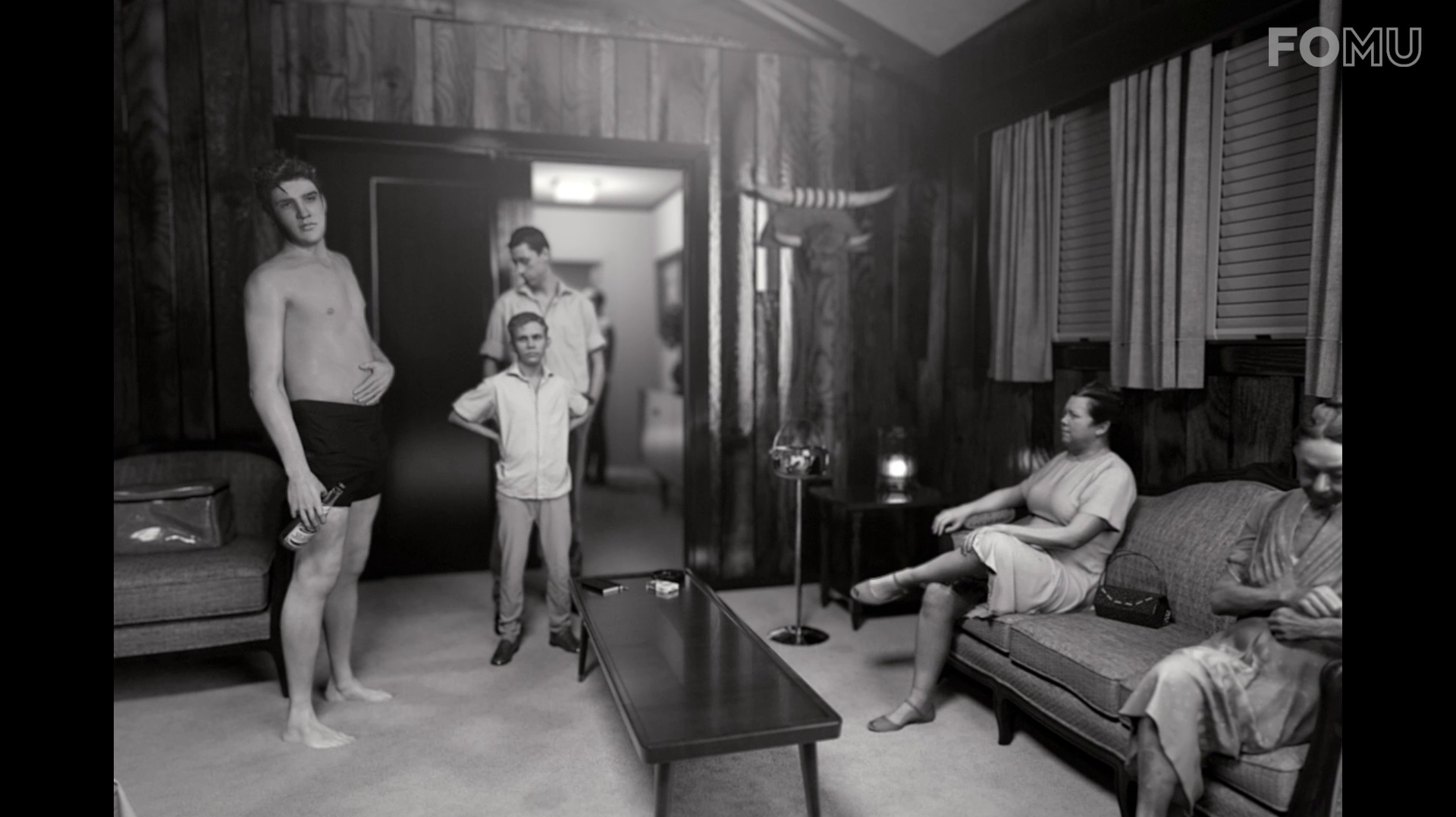
FOMU presents the first retrospective in Belgium of the American photographer Cindy Sherman.
Sherman’s work is immediately comprehensible. In mere seconds, we recognize what Sherman aims to display, yet she never fully reaches complete representation of the characters she presents – not because she’s incapable, but because she wants her work to exist on the border of reality and imagination.
Dirk Braeckman (BE, °1958) has explored the medium of photography in sombre/dark and understated images, for over forty years.
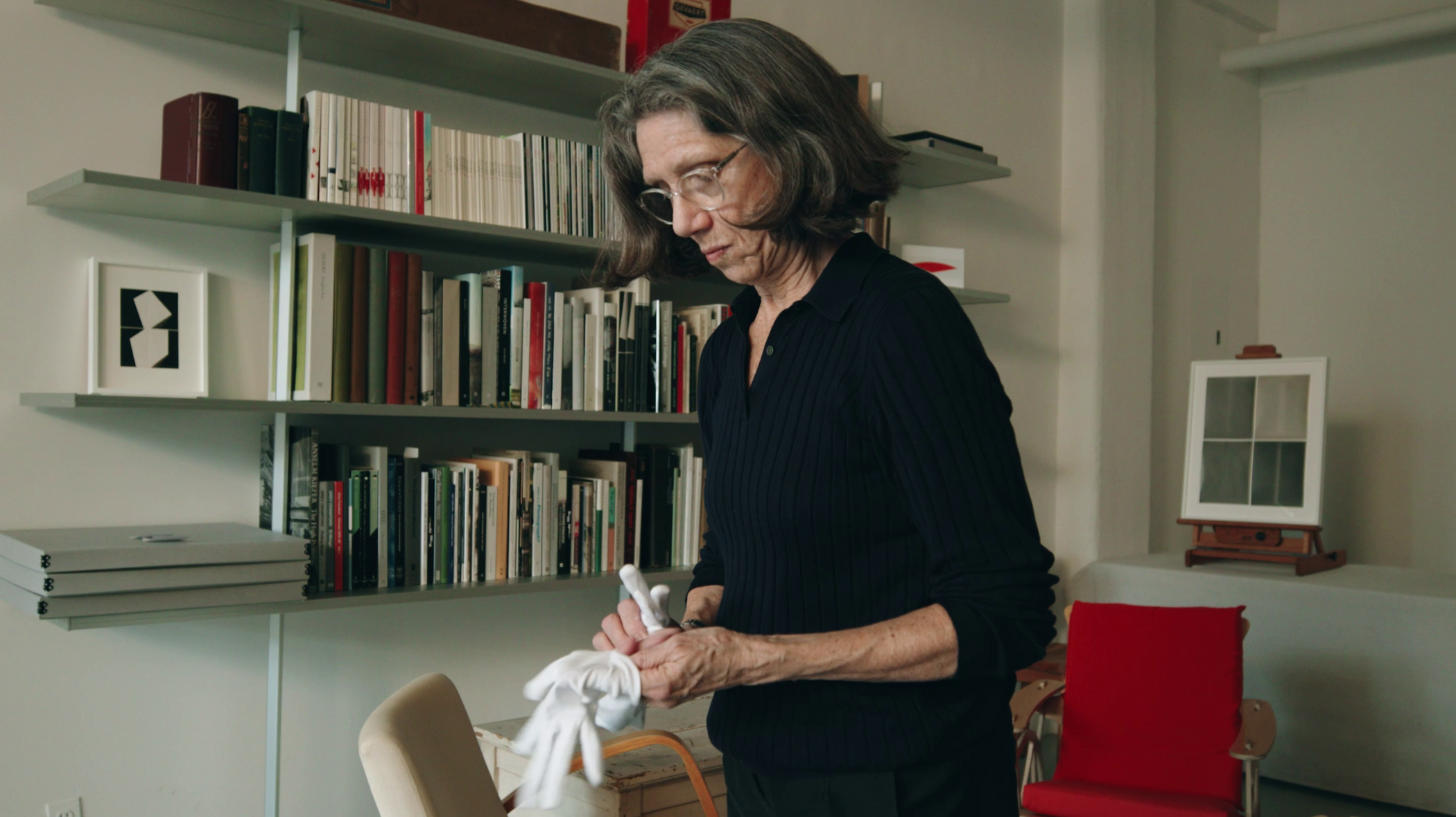
Alison Rossiter (º1953, Jackson, Mississippi, US) lives and works in New York. Rossiter creates photographs without a camera, using vintage photographic paper.
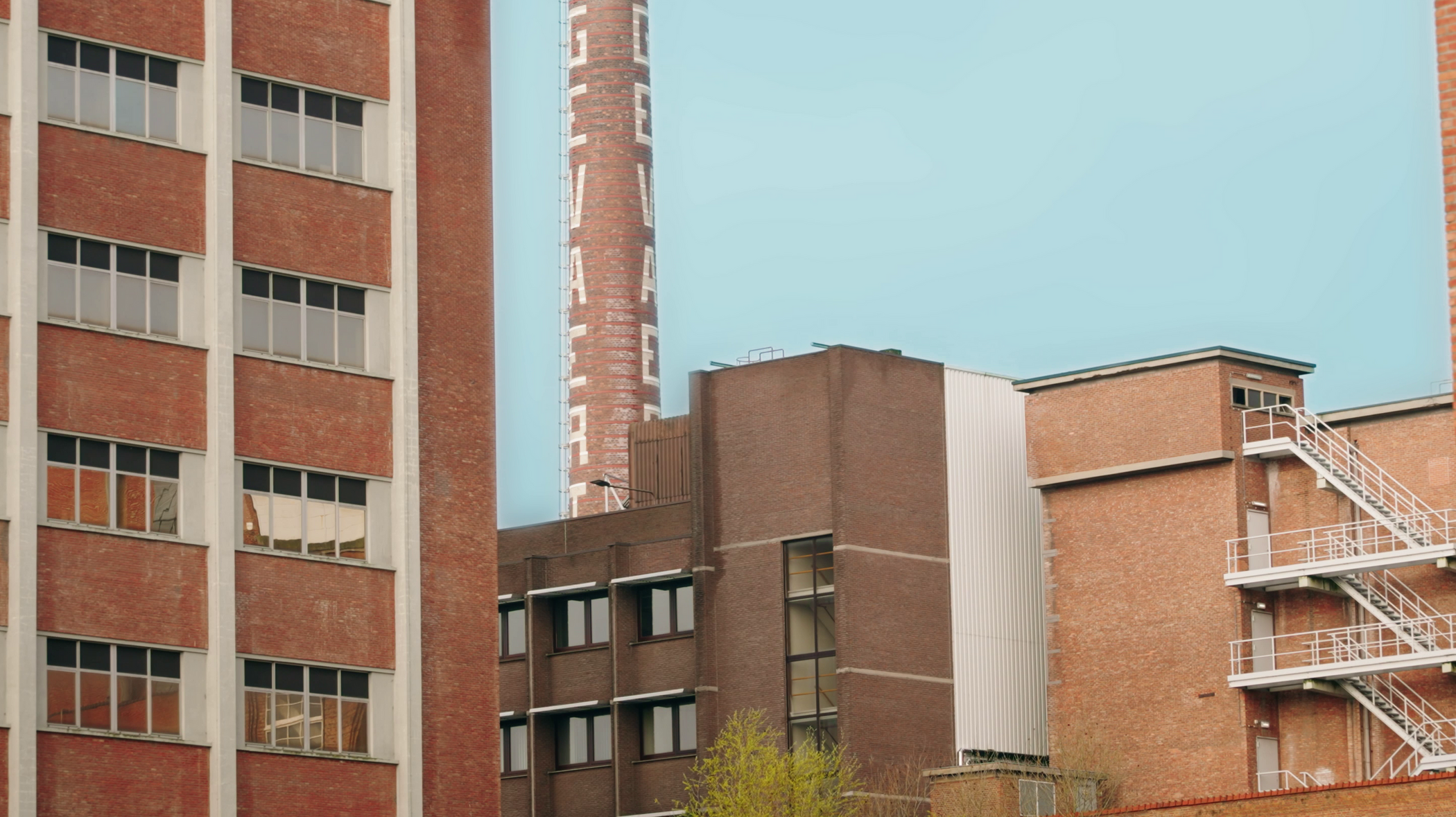
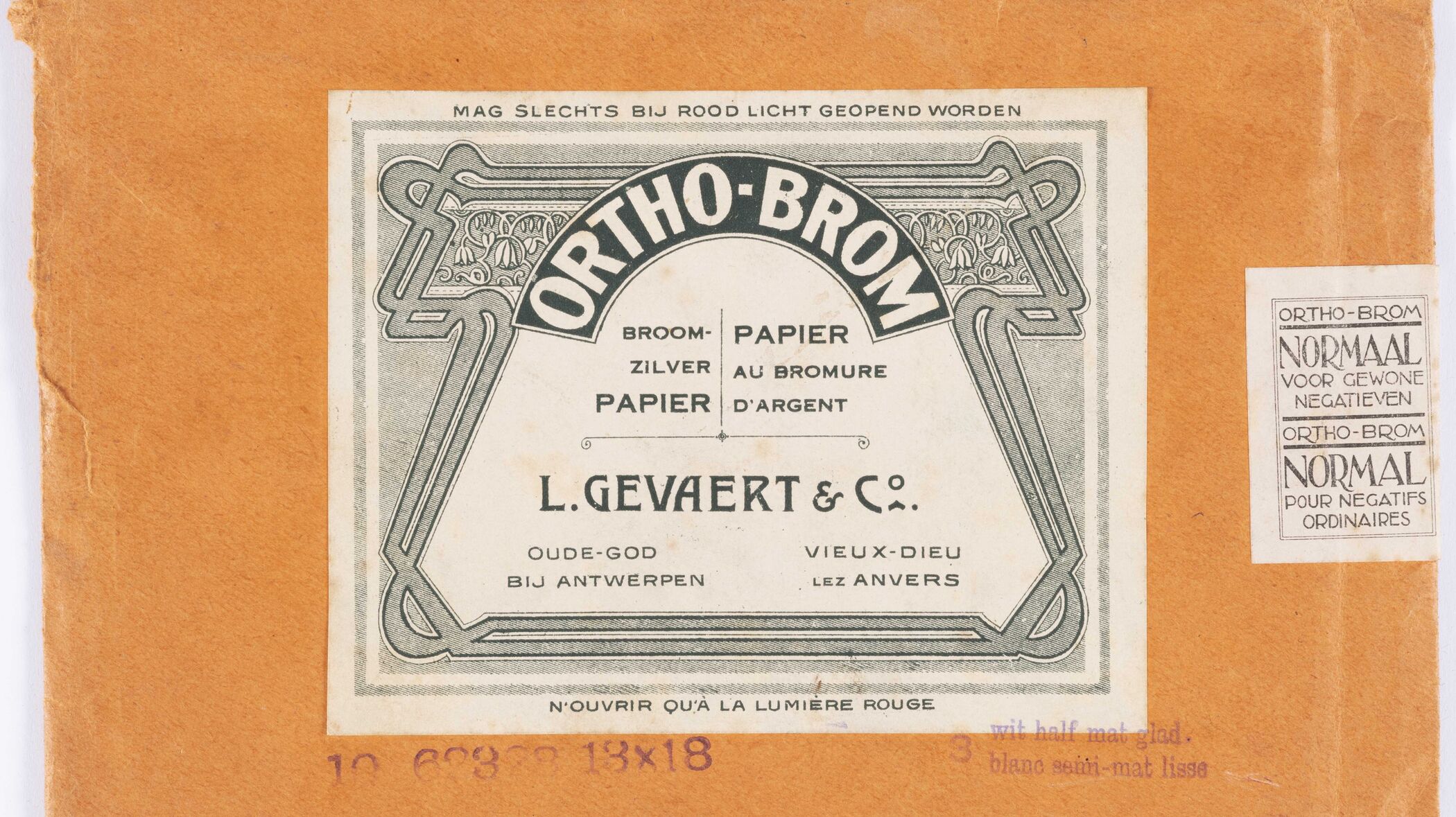
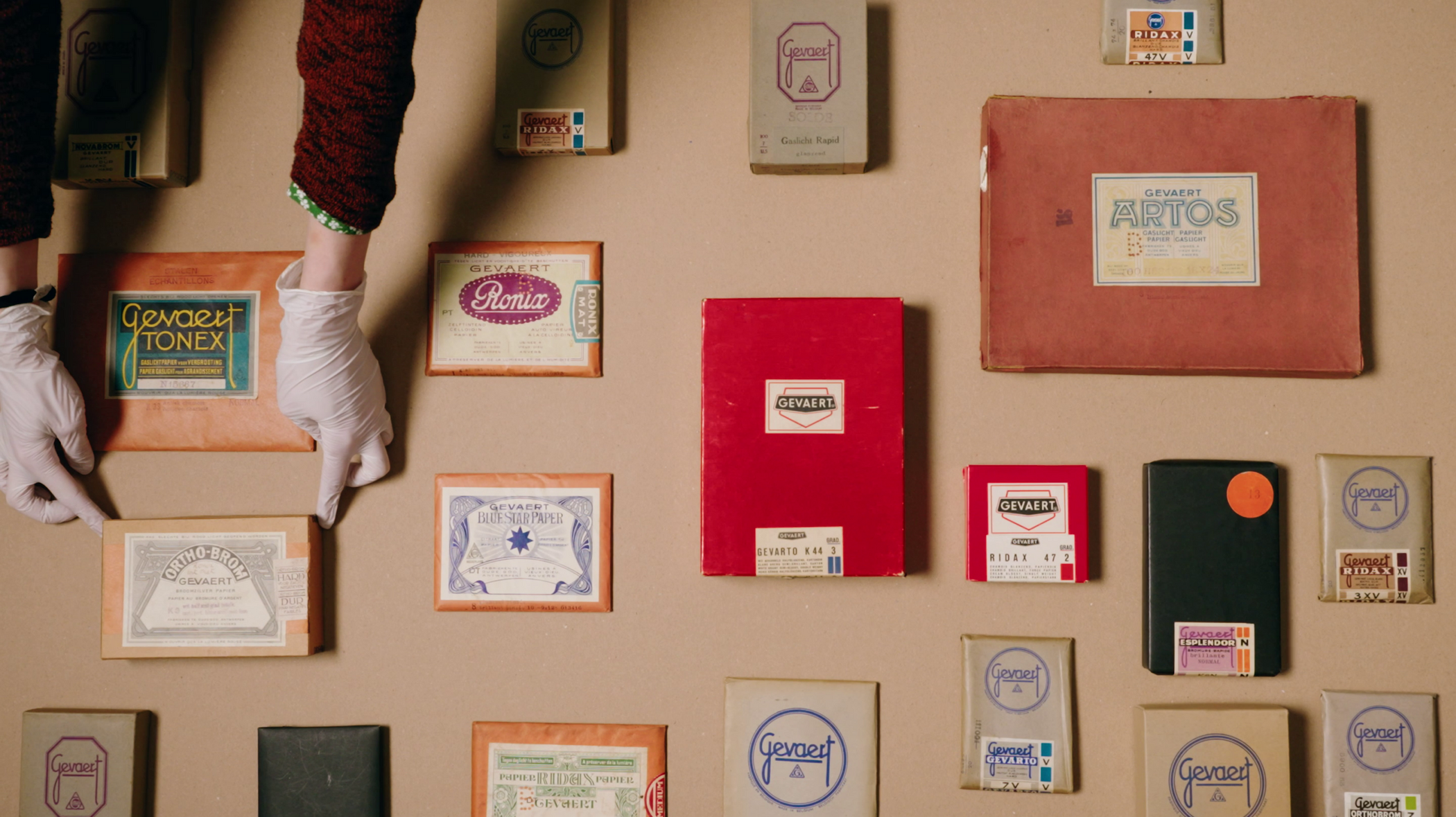
By making the Gevaert archive publicly accessible, FOMU keeps knowledge about analogue photography and photo paper alive. The archive contains more than 377 types of photographic paper and 1300 pieces of photo packaging.
Every year FOMU selects ten promising phototographers, all living or working in Belgium. Discover the selected artists for .tiff 2024
FOMU employees have digitised over 1,300 packages of photographic paper and 70 suspension files containing information about Gevaert photographic papers. All information can now be accessed through a Wikibase database.
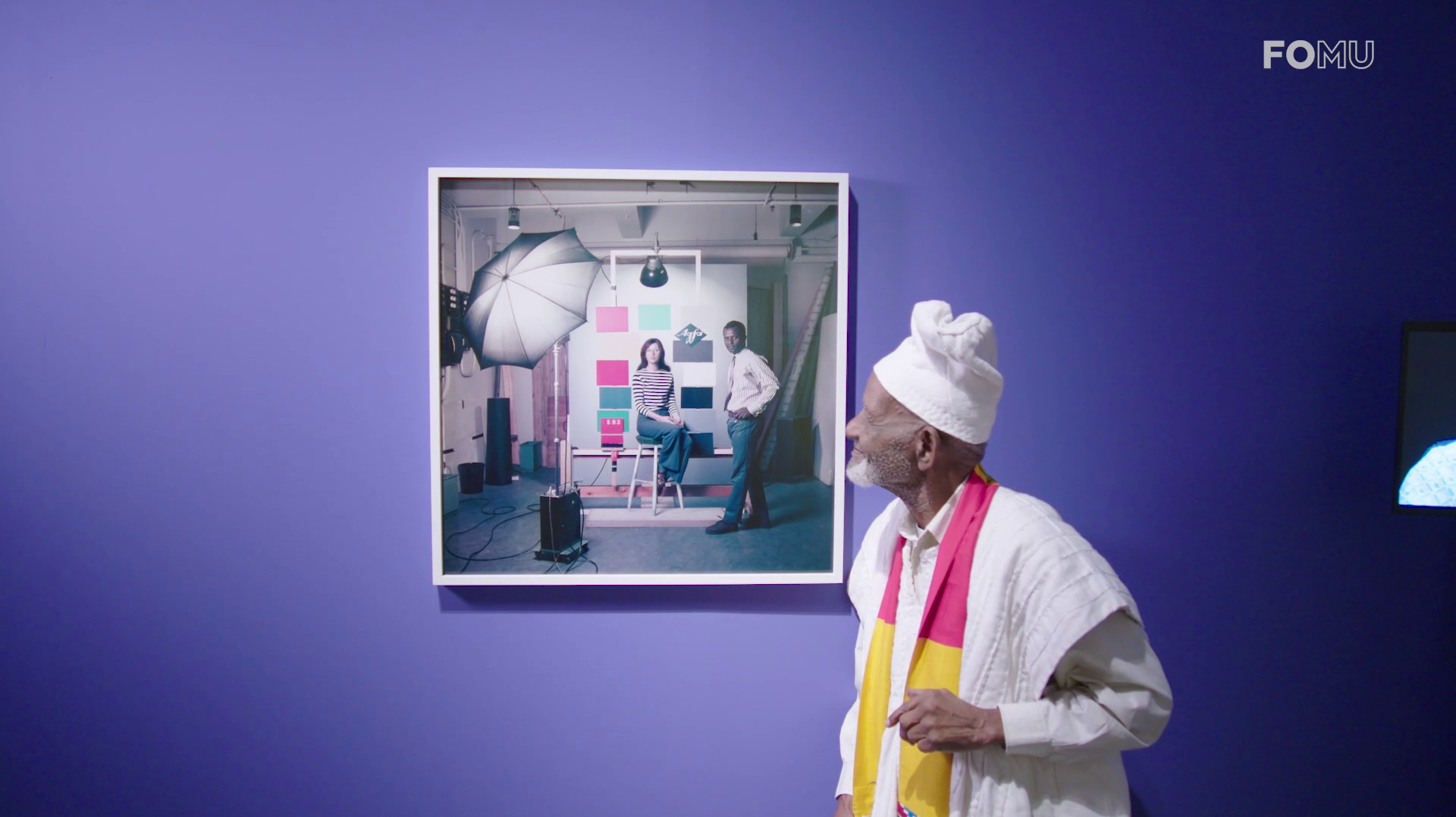
In response to the overview exhibition at FOMU, we engage in a conversation with James Barnor. His versatile talent and influential images make him a pioneer in the history of photography.
A Quest For Meaning is an encyclopaedic endeavour – the story of the universe since the Big Bang told in photographs. (Hettie Judah)
"Talking about who Vincen is, and especially what his work is, without talking about the connections created by his work is pointless". Curator Rein Deslé writes about Vincen Beeckman.
The database will give the general public access to a wealth of photographic paper, photo documentation, packaging and sample books from the period 1894-1964. This is the first reference collection of that size in Europe.
Ndiritu’s art practice explores our rapidly changing world. She sees shamanism as a means to reactivate ‘the dying art museum’: "I believe that museums are important platforms."
On the occasion of the exhibition Mediations, Susan Meiselas talks to Jeu de Paume about her life and work.
The FOMU Grant creates a fertile ground for photographers based in Flanders to further their artistic careers. It consists of a commission for new work, a presentation in the museum, and the purchase of the work for the collection.
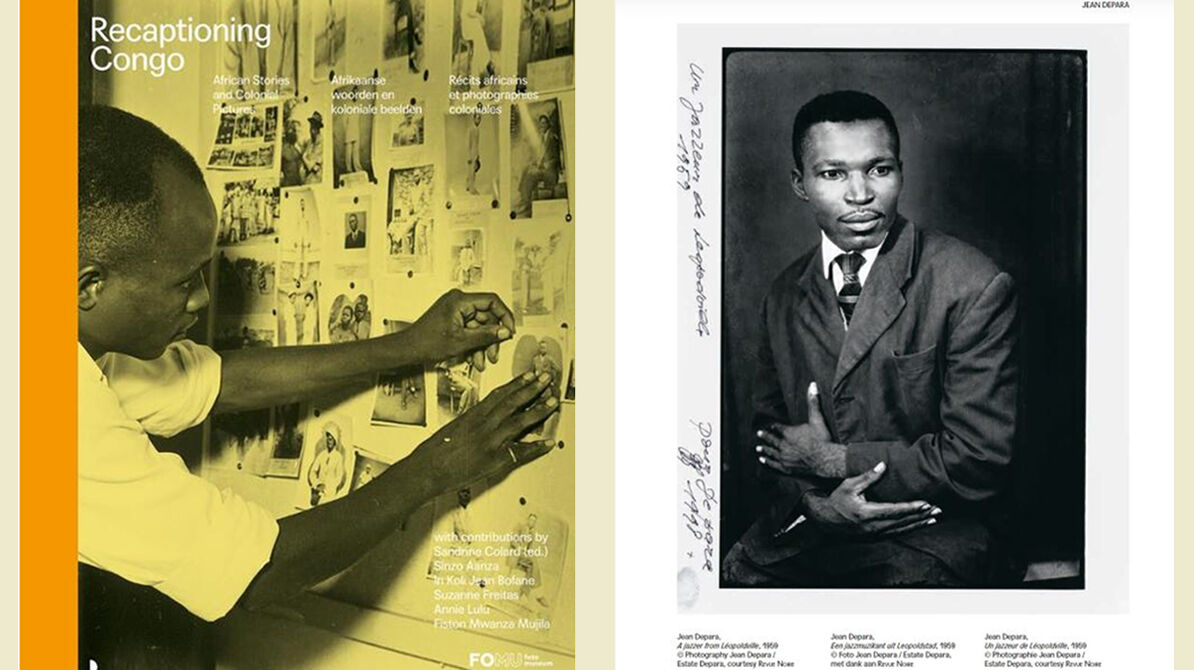
The book is based on Sandrine Colard's research into the photographic history of colonial Congo (1885-1960). It contains a wealth of revealing images that sharpen the relationship between past and present, Africa and Congo, and Belgium and Congo.
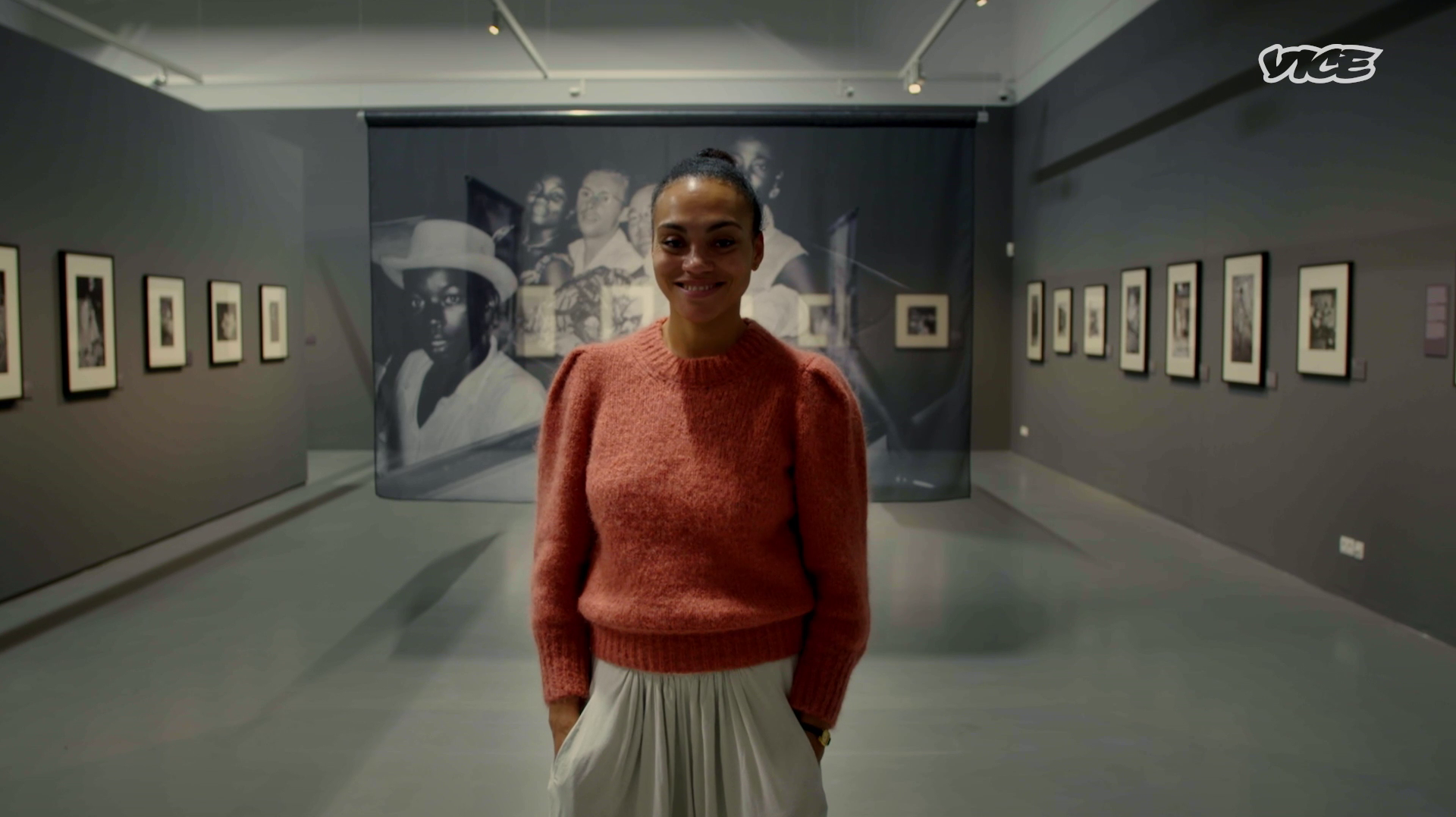
In this video, curator Sandrine Colard takes Marie-France Vodikulwakidi (VICE) on a tour in the Recaptioning Congo exhibition at FOMU.
.tiff photographers Alice Pallot (2022) and Ugo Woatzi (2021) are selected for the exhibition 'On The Verge: Seven Young European Photographers' in CAMERA Turin.
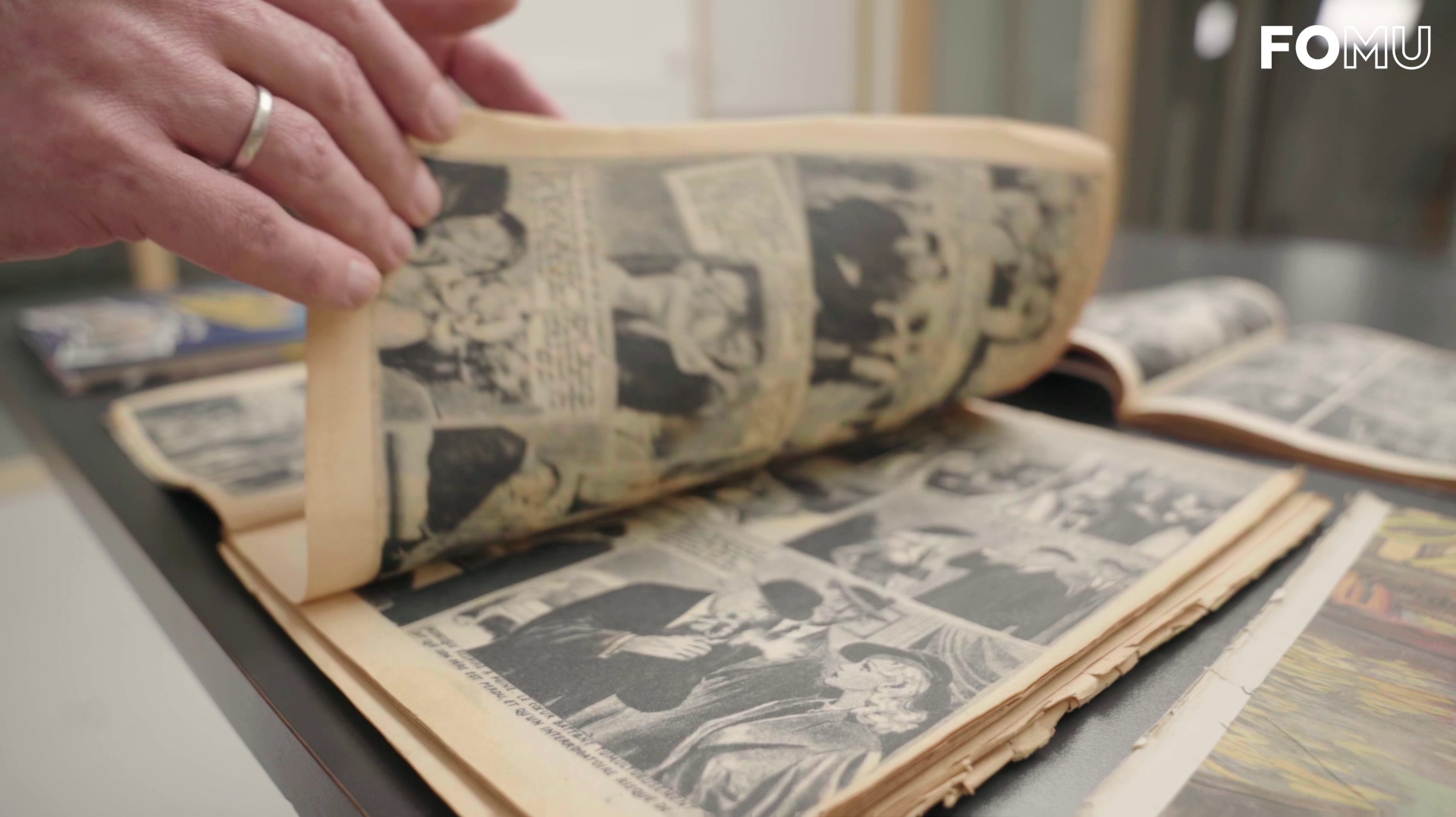
The photo novel was one of the most popular mass media of the 1950s, comparable to the success of Netflix today. But what is it exactly? And how was it consumed?
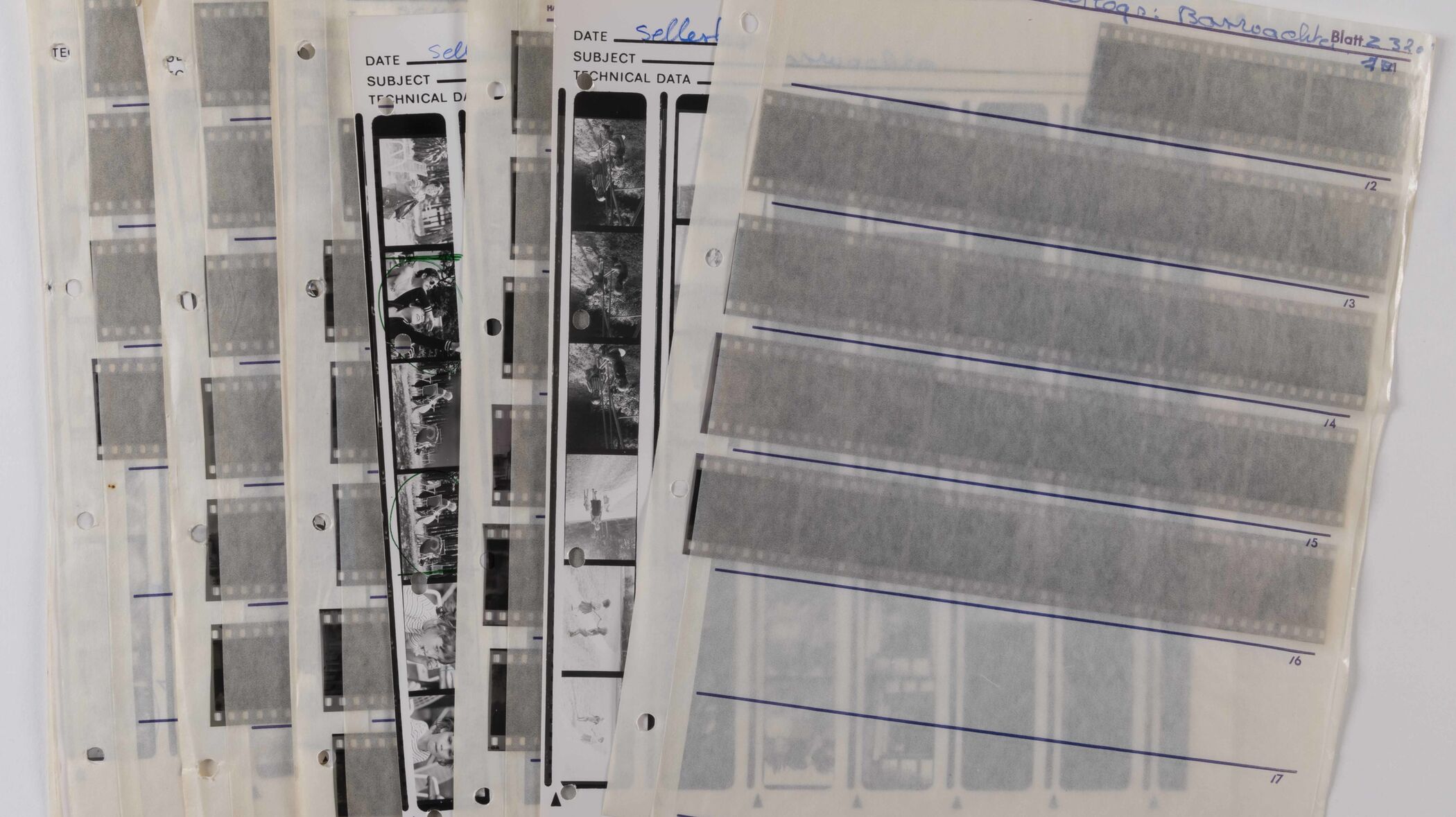
Herman Selleslags is one of the most famous photographers in Belgium. FOMU keeps the archive of Herman and his father Rik. It contains over half a century of national and international history covering topics from politics and media to pop music and daily life.
When the condition and the volume of photographic film is so challenging, how do you make such important archives accessible?
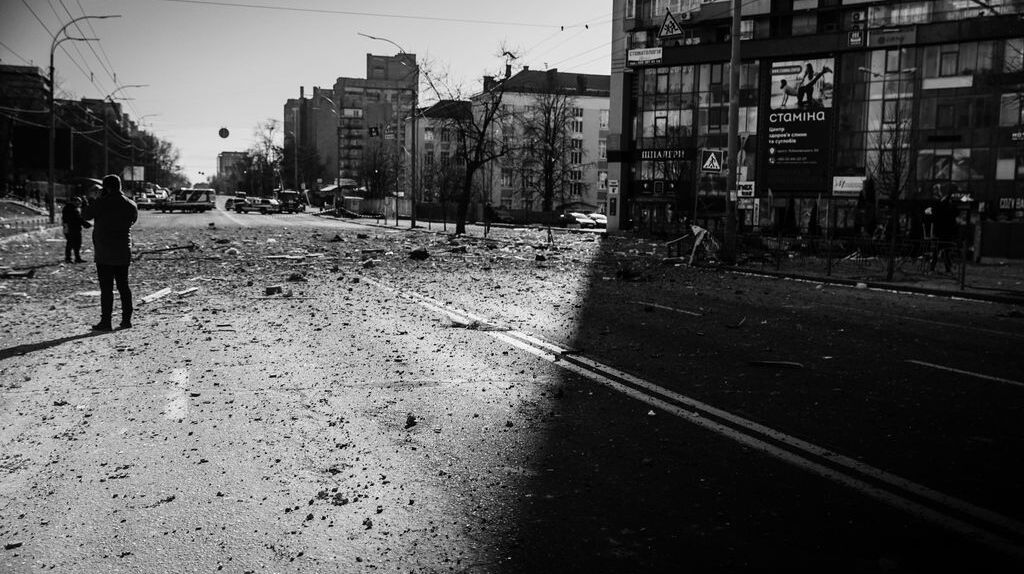
FOMU and Trigger Magazine would like to invite you to follow Ukrainian photographers to get their view on the situation and what it’s like to work as a photographer in a war situation: personally and professionally.
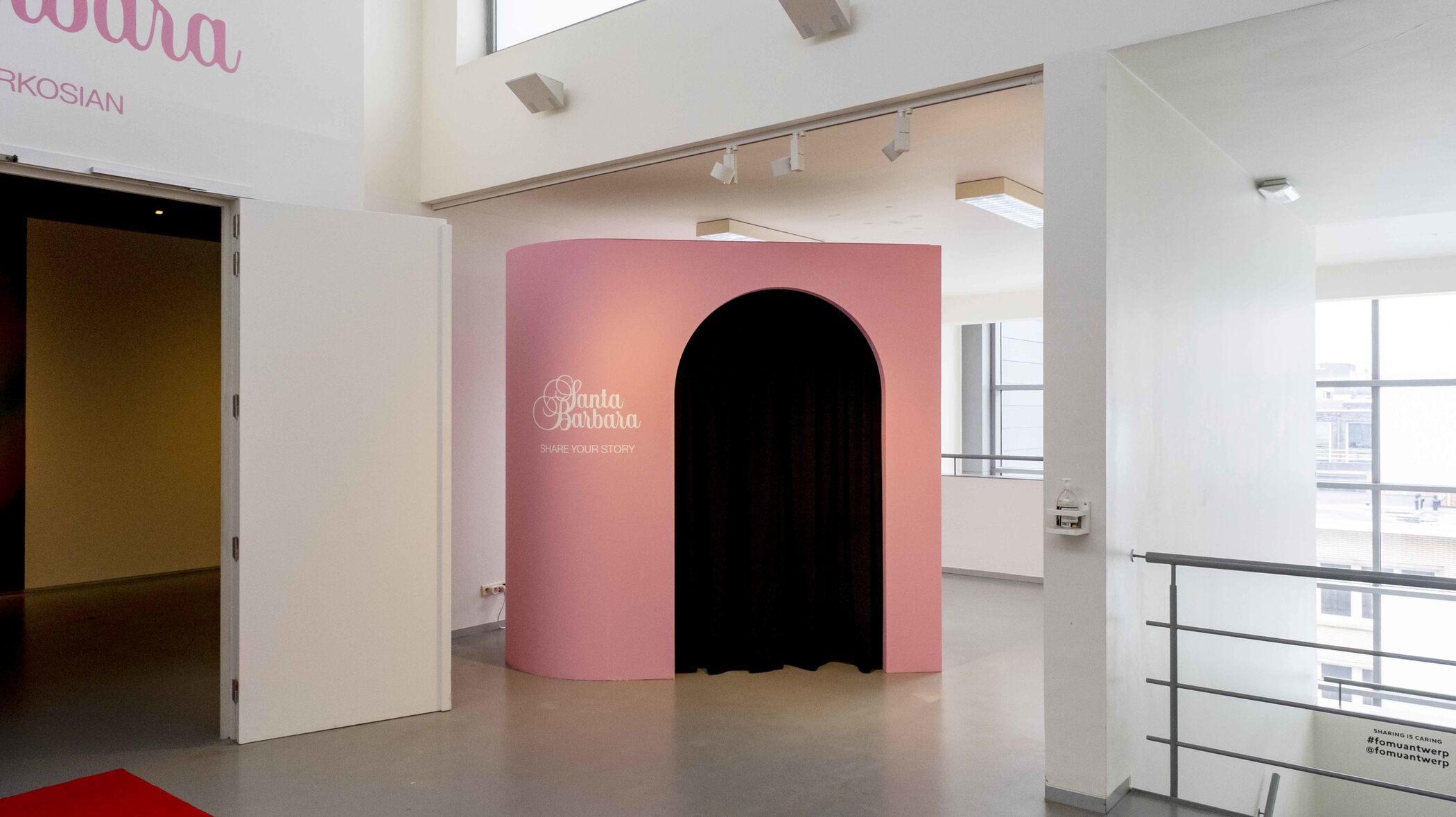
Santa Barbara is Markosian’s exploration of her own personal history. In a similar spirit, Diana Markosian and FOMU invite visitors of the exhibition to record a short video commenting on the trajectory of their own life.
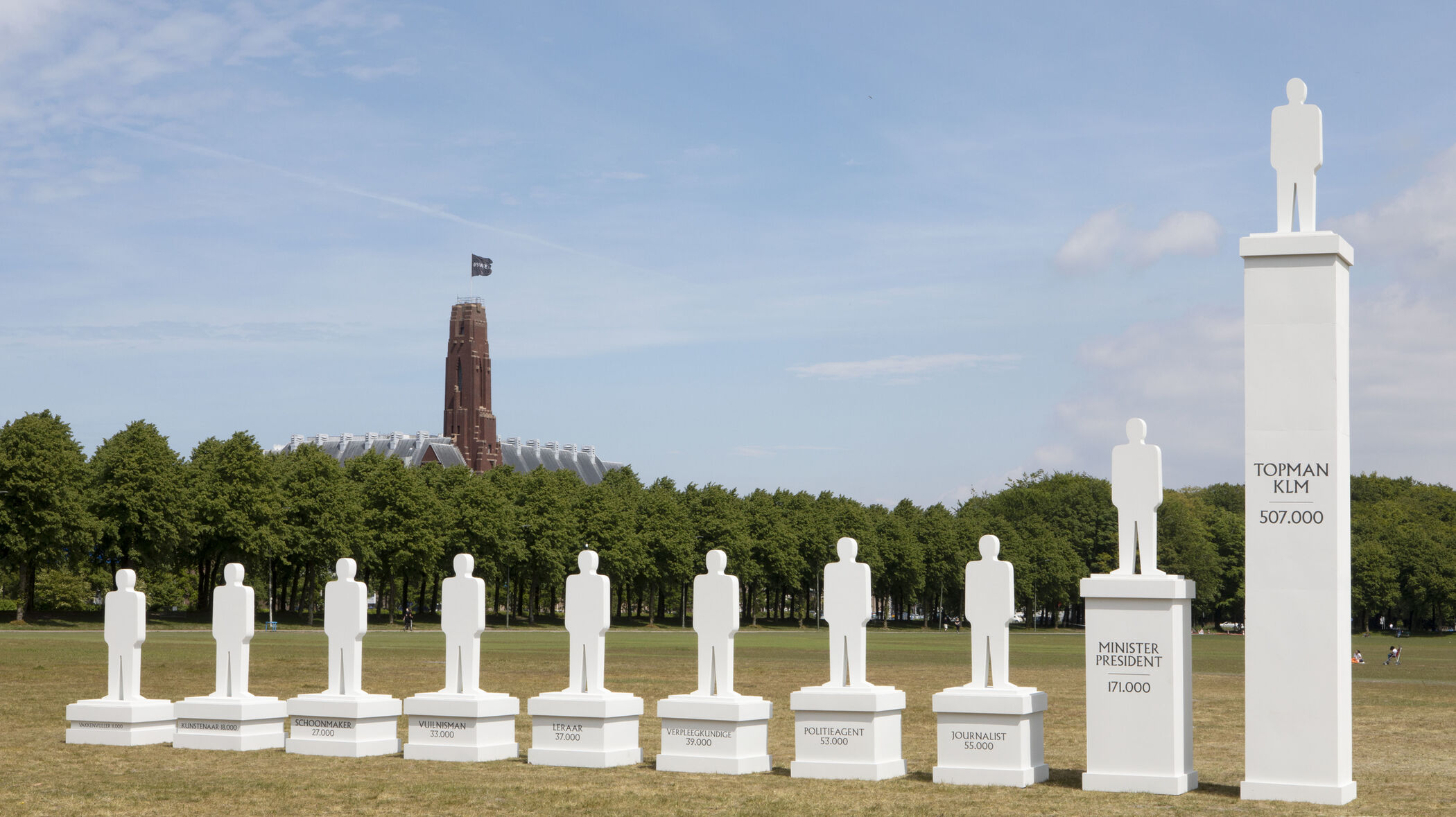
It was not always such a ‘common’ insight: that artists are workers among other workers from other sectors. Read the essay by Rune Peitersen
Four recent publications show that women are just as capable of producing great photographs as men, and always have been.
The selection was the responsibility of a committee of independent curators and experts from all six Flemish contemporary art museums including FOMU.
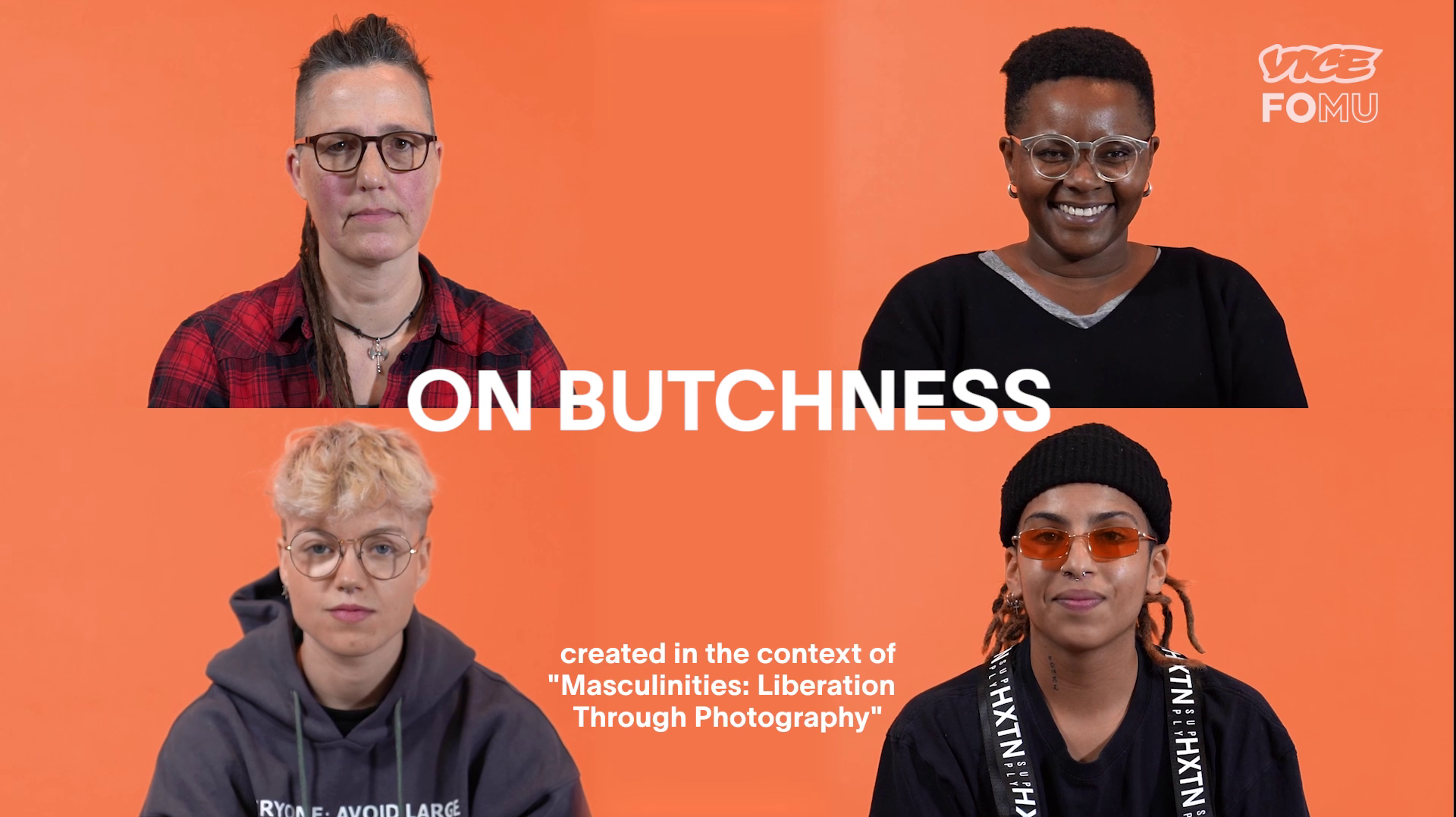
Together with Vice Belgium, FOMU talks with four women about masculinity. All four identify in some way with butchness.
No other medium but photography would work for Willy Kessels (BE, 1898–1974) and define his entire philosophy, on which he imposed a new and recognizable trademark with superimpositions and photomontages.
Self-care is 'a bit of a catch-all term', thus opens writer and poet Anna Lounguine her essay on a concept that culturally speaking seems to have lost its ethical and political potentials.
Following the exhibition of Max Pinckers at FOMU, Public broadcaster VRT is showing the documentary 'Max Pinckers - Margins of Excess'.
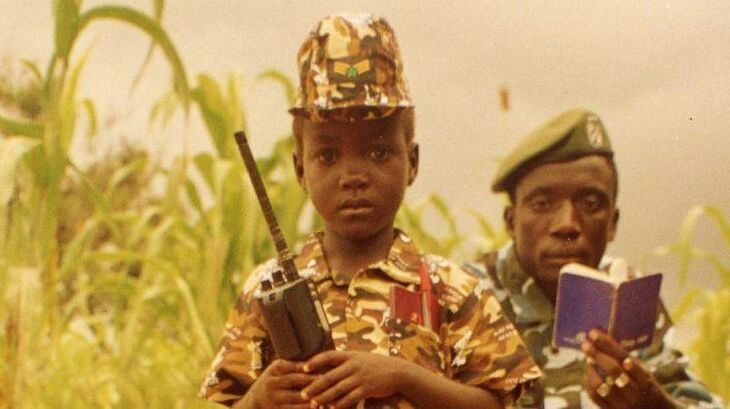
Rebel Lives tells the story of life within the Ugandan rebel movement Lord's Resistance Army (LRA).
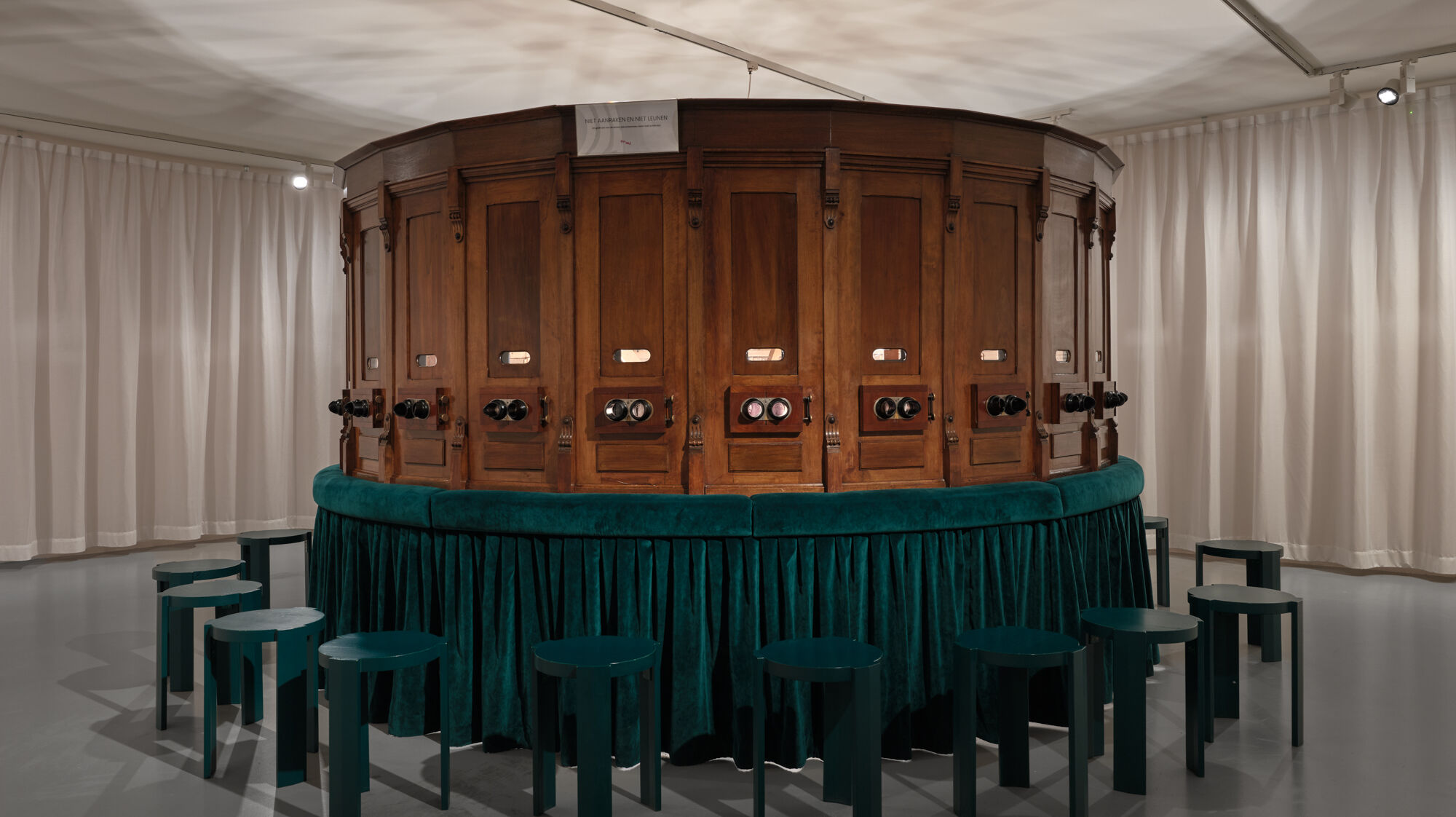
FOMU is privileged to own one of only fifteen surviving Kaiserpanoramas in the world. A Kaiserpanorama is a large round wooden cabinet that allows twenty-five people to view a series of stereoscopic photographs at the same time.
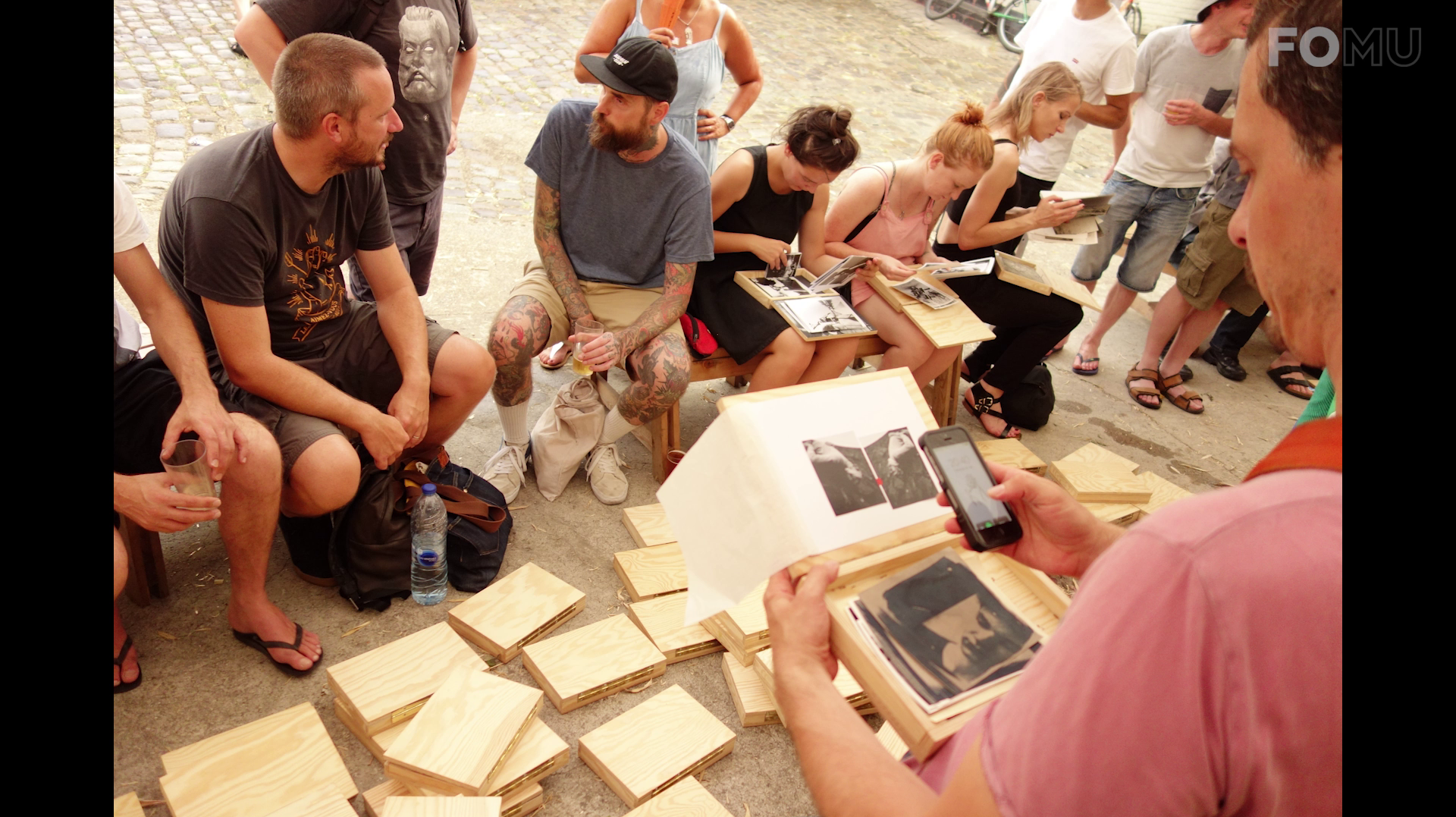
The project 'Le Fusée de la Motographie' consists of more than 100 boxes. In each box you can find one or more photographs.
In your imagination, what do you expect to see in a collection of photography from different scientific archives?
With her compelling contribution to Indigenous futurism, Thirza Jean Cuthand’s Reclamation, 2018, documents what’s to come.
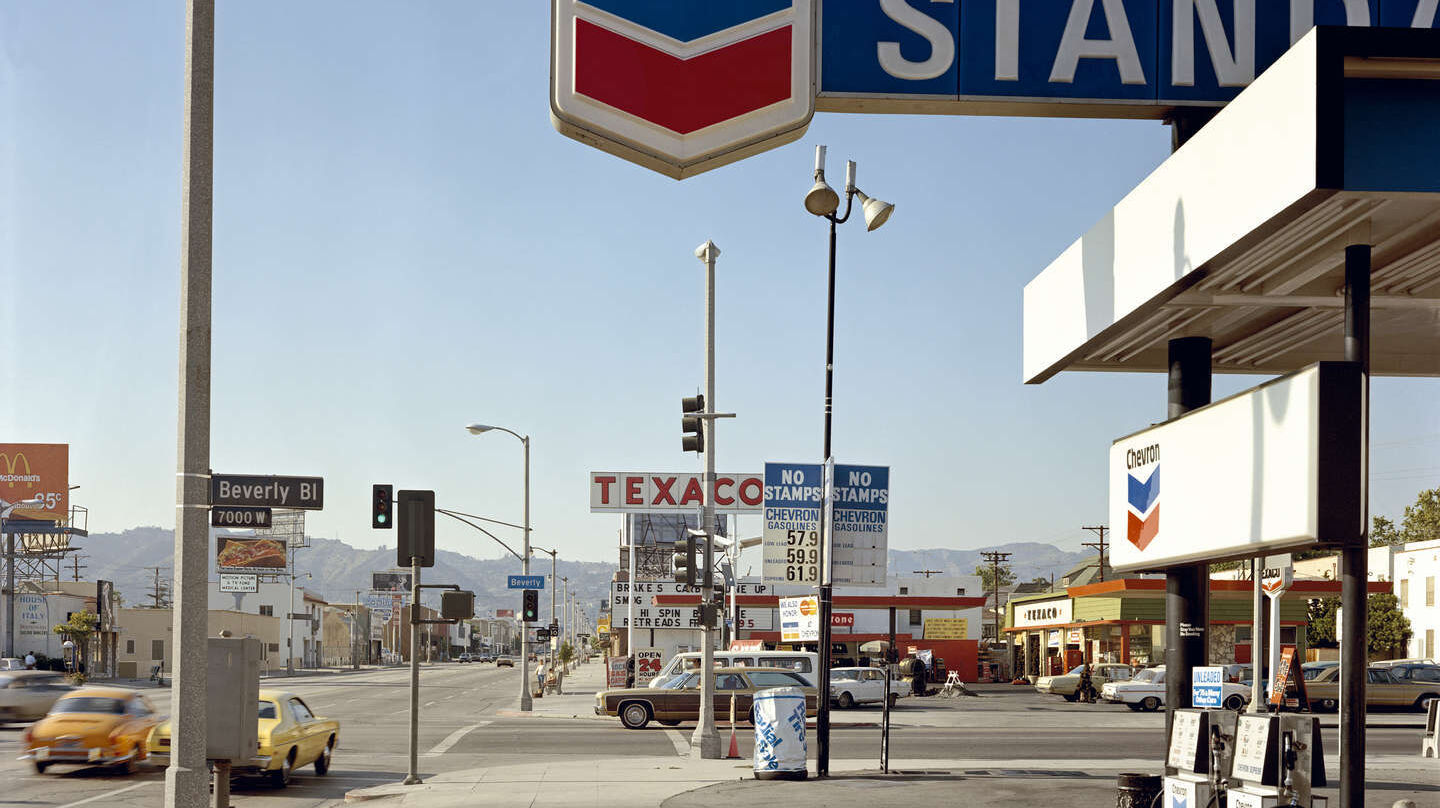
The photography of William Egglestone and Stephen Shore, part of the new color photography movement, is not often associated with ‘politics’, or utopian potentials. Young critic, Taylor Dorrell, thinks its worthwhile to reconsider this.
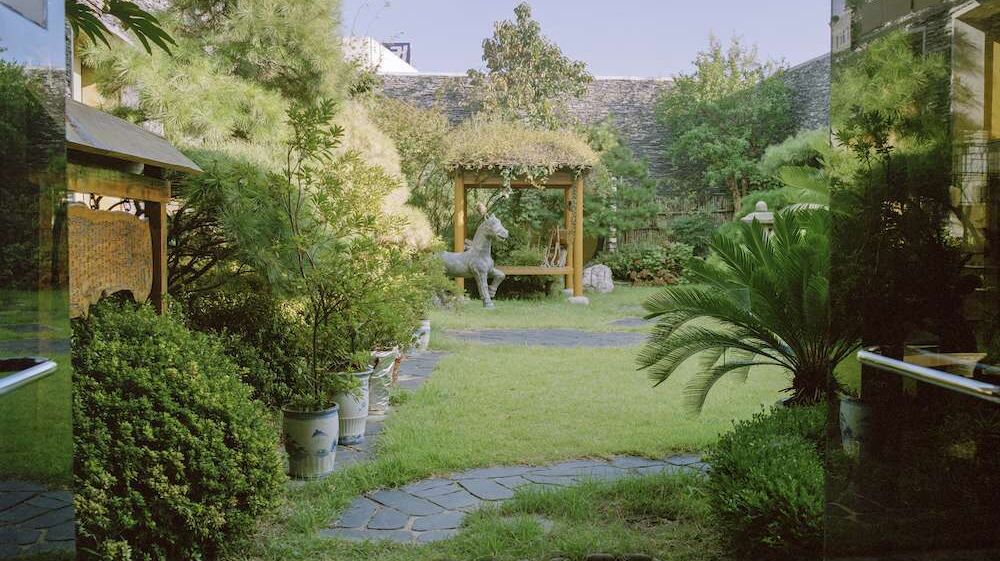
During a residency Dutch artist Inge Meijer came across a massive archive of pre-wedding photography at a bankrupt wedding hall in Gwangju, South Korea. Meijer started working on the archive, which resulted in her ongoing installation project
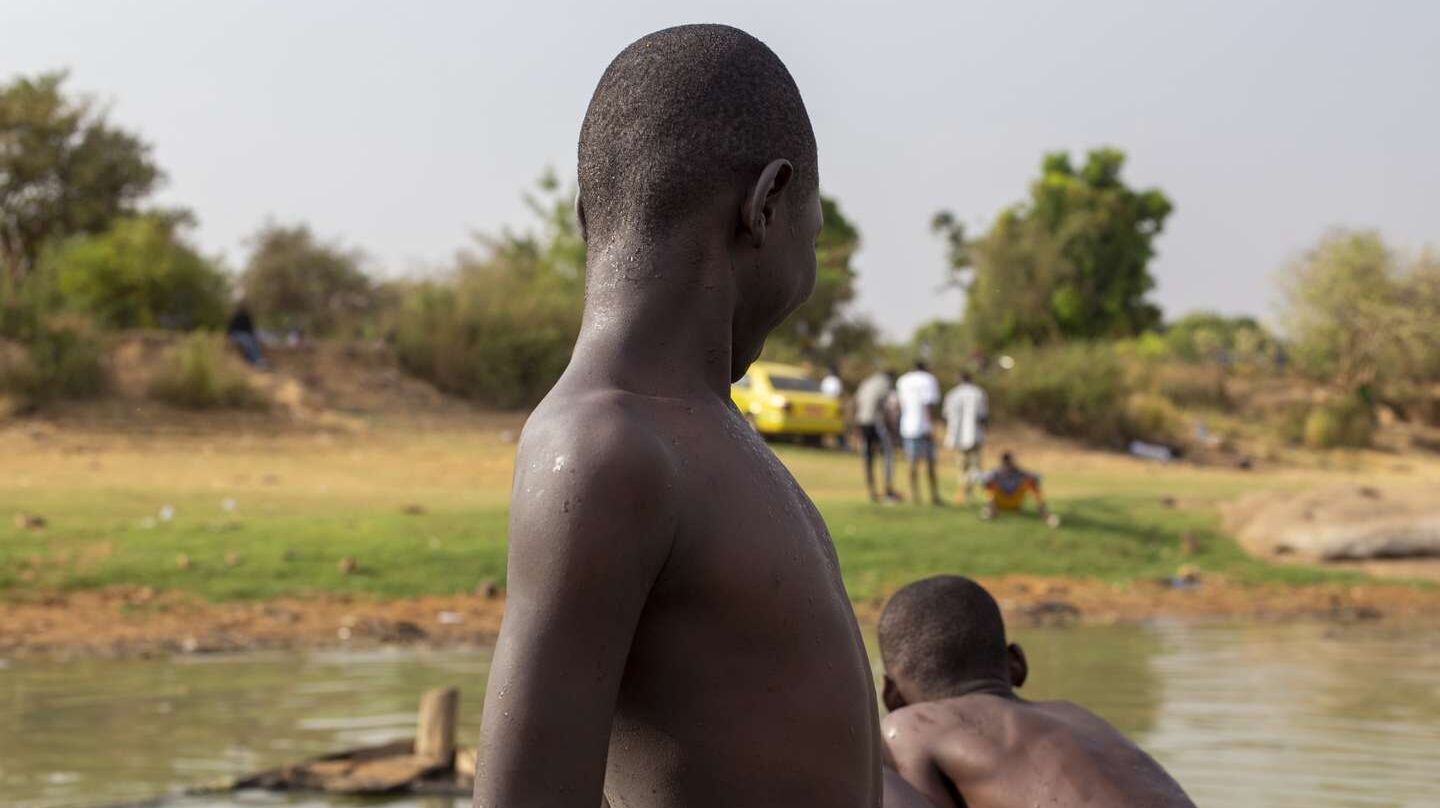
A practice of care for a neighbourhood and its inhabitants flourishes at KENE in Bamako, Mali, a permanent photography lab for young adults, a place for education, relations, care for the neighbour and its collective memory construction.
Watch the compilation of Present at home, the online tour through the expo 'Stephan Vanfleteren - Present' at FOMU. From episode 1, his early work, to episode 6, the still lifes that Vanfleteren makes in his daylight studio.
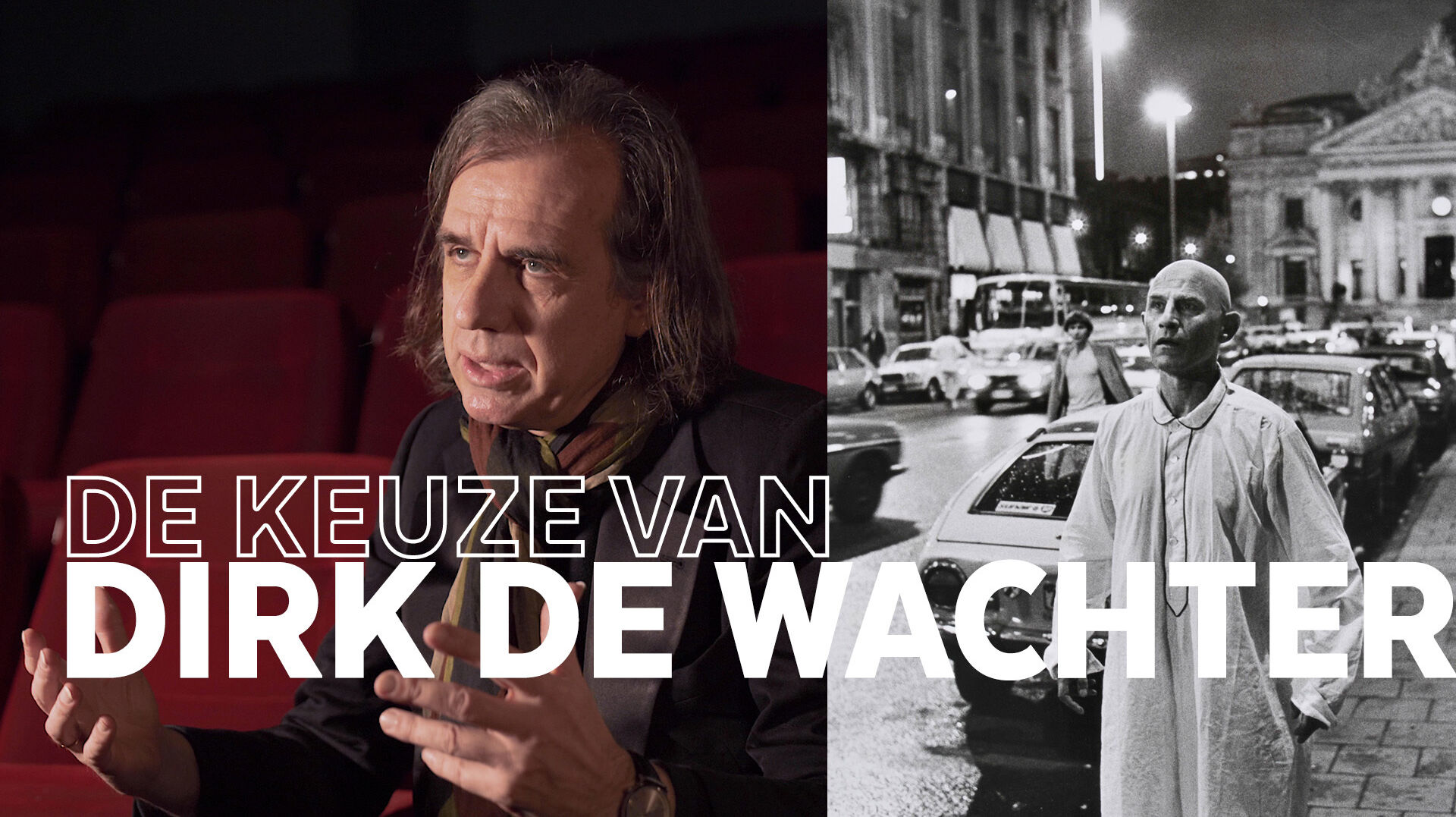
Psychiatrist and professor Dirk De Wachter chooses his favorite piece from the FOMU collection: a photograph of actor Julien Schoenaerts.
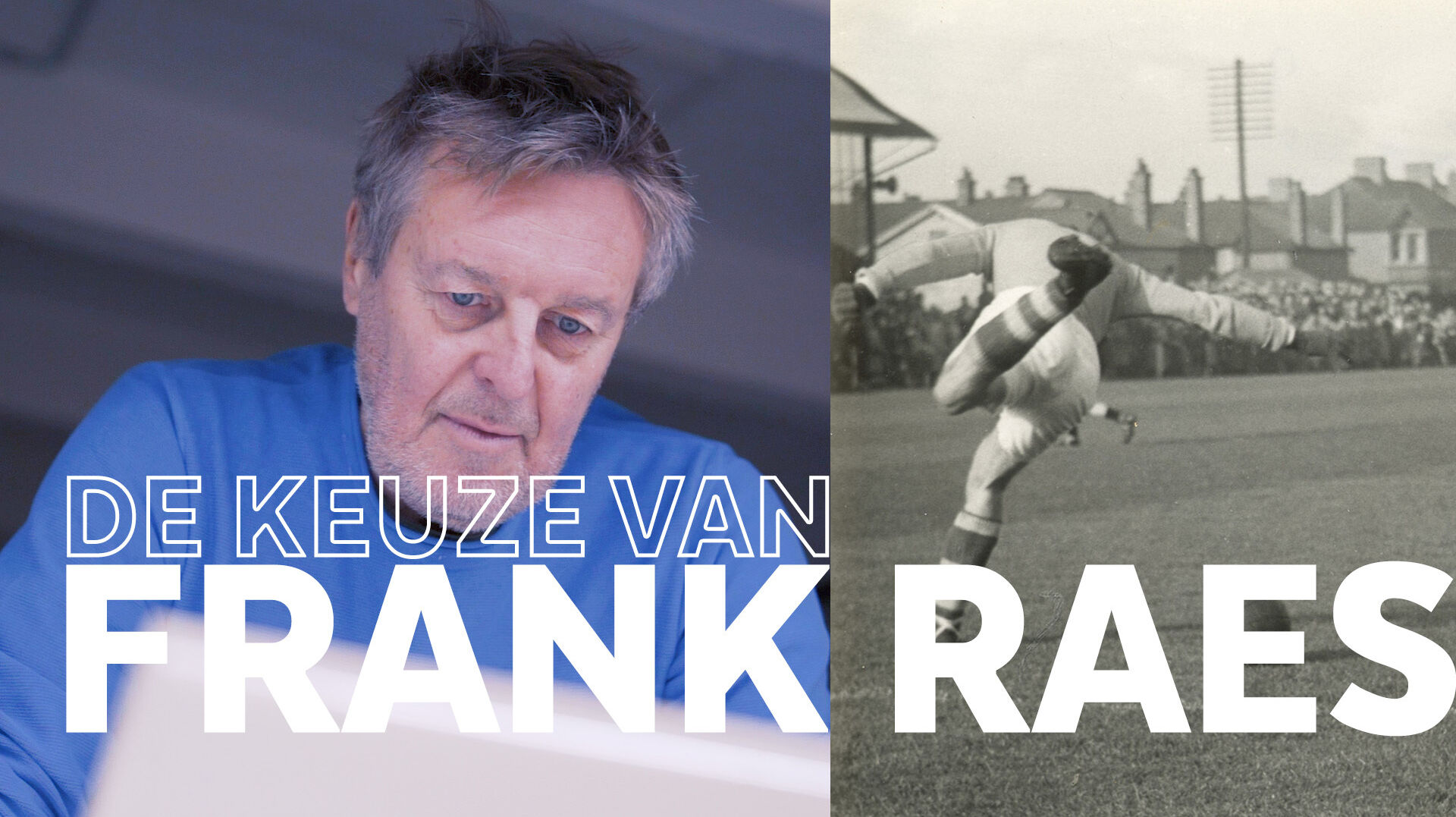
Apart from being a well known sports journalist, Frank Raes is also a photographer. For the video series ‘De keuze van’ he dives into the collection of FOMU and chooses his favorite image.
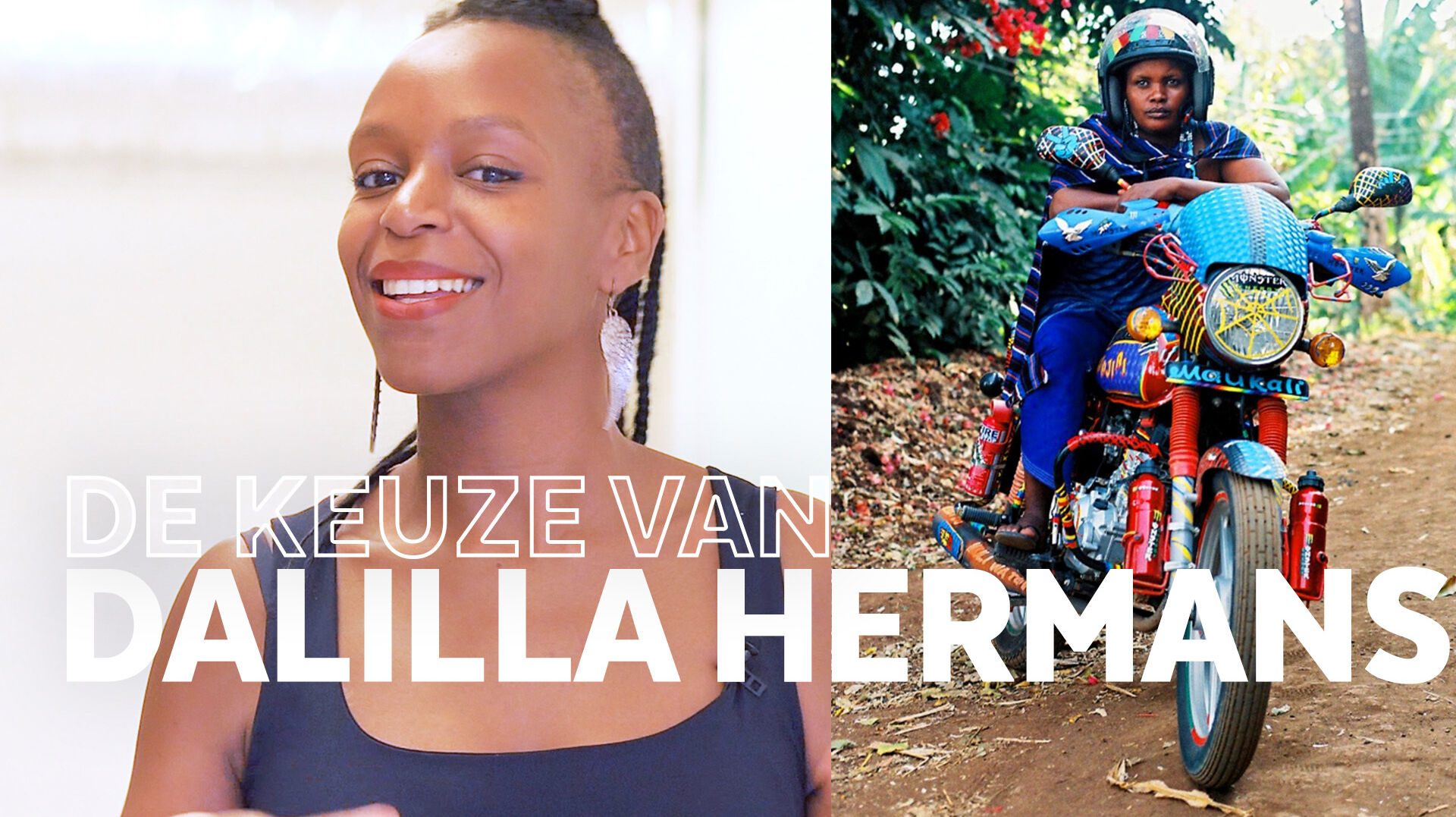
Author, theatre director and columnist Dalilla Hermans chooses her favorite image from the FOMU collection: a photograph from the series 'New ways of photographing the New Masai' by Jan Hoek. But why exactly this photograph?
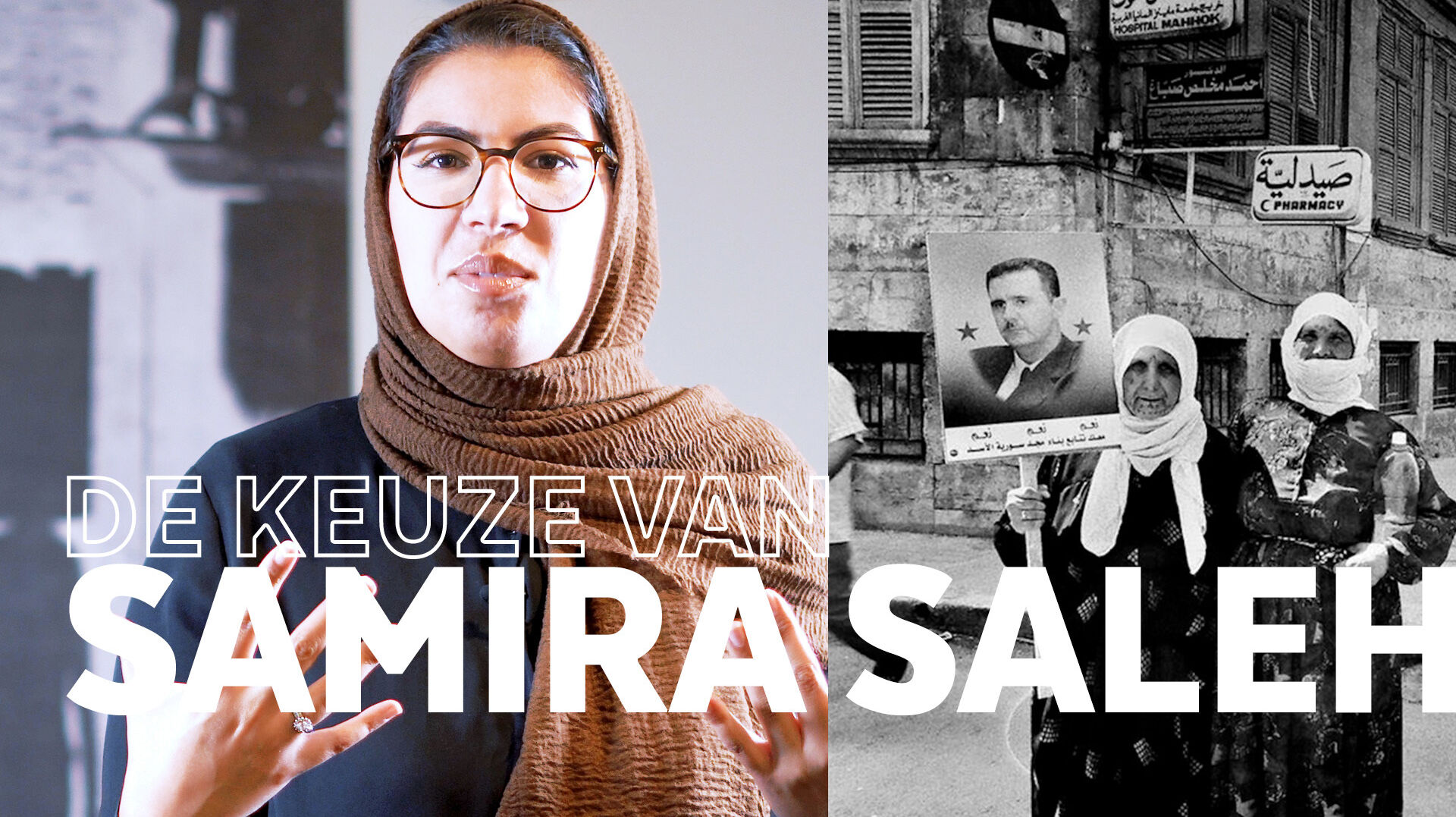
Spoken word artist and presenter Samira Saleh chooses a photograph by the Syrian photographer and director Issa Touma. “This is an image of Syria that I haven’t seen since my youth, since before the war broke out”.
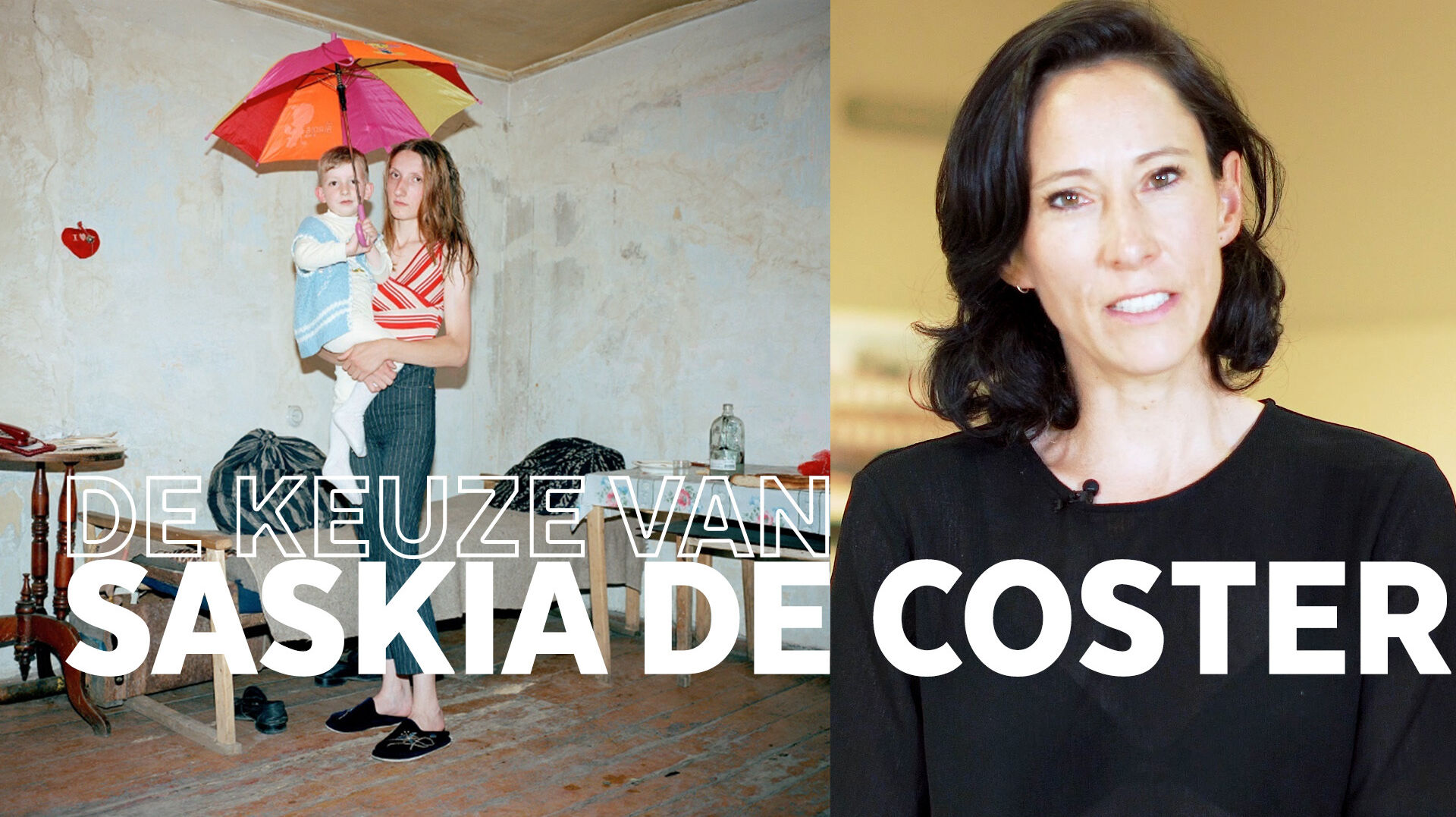
Writer Saskia De Coster delves into the image collection of FOMU. It is a work by the Belgian photographer Nick Hannes that stands out to her the most.
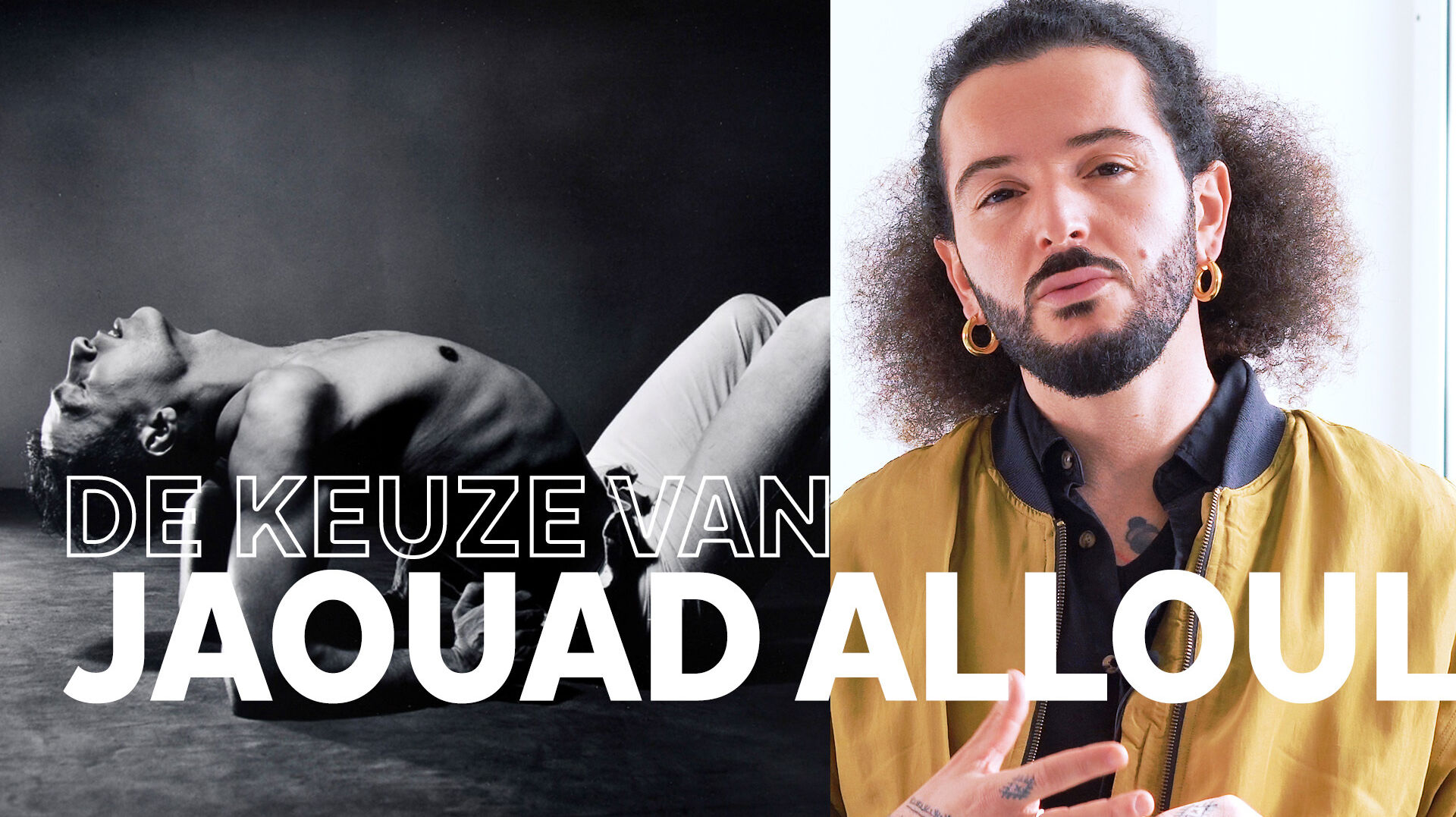
“I get excited when I see this photograph, but not on a sexual level", explains theatre-maker, singer and entrepreneur Jaouad Alloul about his favorite picture from the FOMU collection.
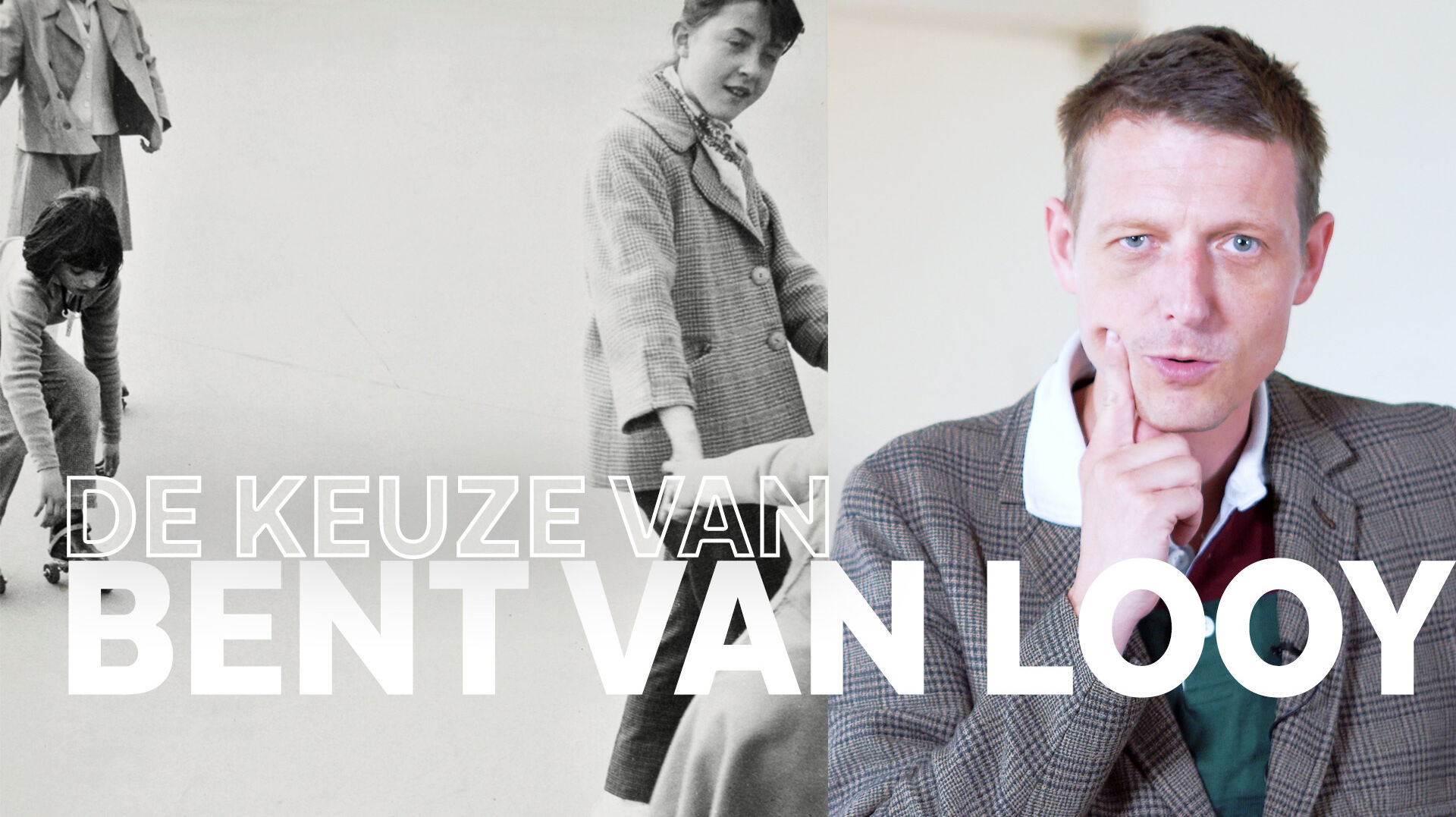
"For me, photography is primarily about looking into another world. Through the eyes, through the mind of the photographer.” Musician, painter and presenter Bent Van Looy chooses his favorite image from the FOMU collection.
Vincent Delbrouck creates memorable impressions of the places he explores by integrating personal and fictional perspectives into single works.
The Brussels photographer Anne De Gelas creates highly personal work. She combines handwritten and typed texts, drawings, clippings and photographs to create a form of diary.
Beauty and a sense of hope are central to Mous Lamrabat’s work. His photographs are absurd and surrealistic, at times subtly provocative, always colourful and fun.
FOMU is currently the museum that manages the largest collection of Braeckman’s photographs. Braeckman has developed an impressive career over the past 25 years.
The Belgian Magnum photographer Martine Franck has made portraits and reports for major American magazines such as Life, The New York Times and Vogue. Find out more about here life and work in this mini documentary.
David Claerbout challenges the two-dimensional nature of the photograph by adding virtual time and space in his installation KING.