
Symposium Early Gaze – An Ethical Gaze on What Remains
- Date 12.02.2026
- Time 09:30 - 16:30
- Fee Am I entitled to a discount? € 50 p.p.
- Location FOMU
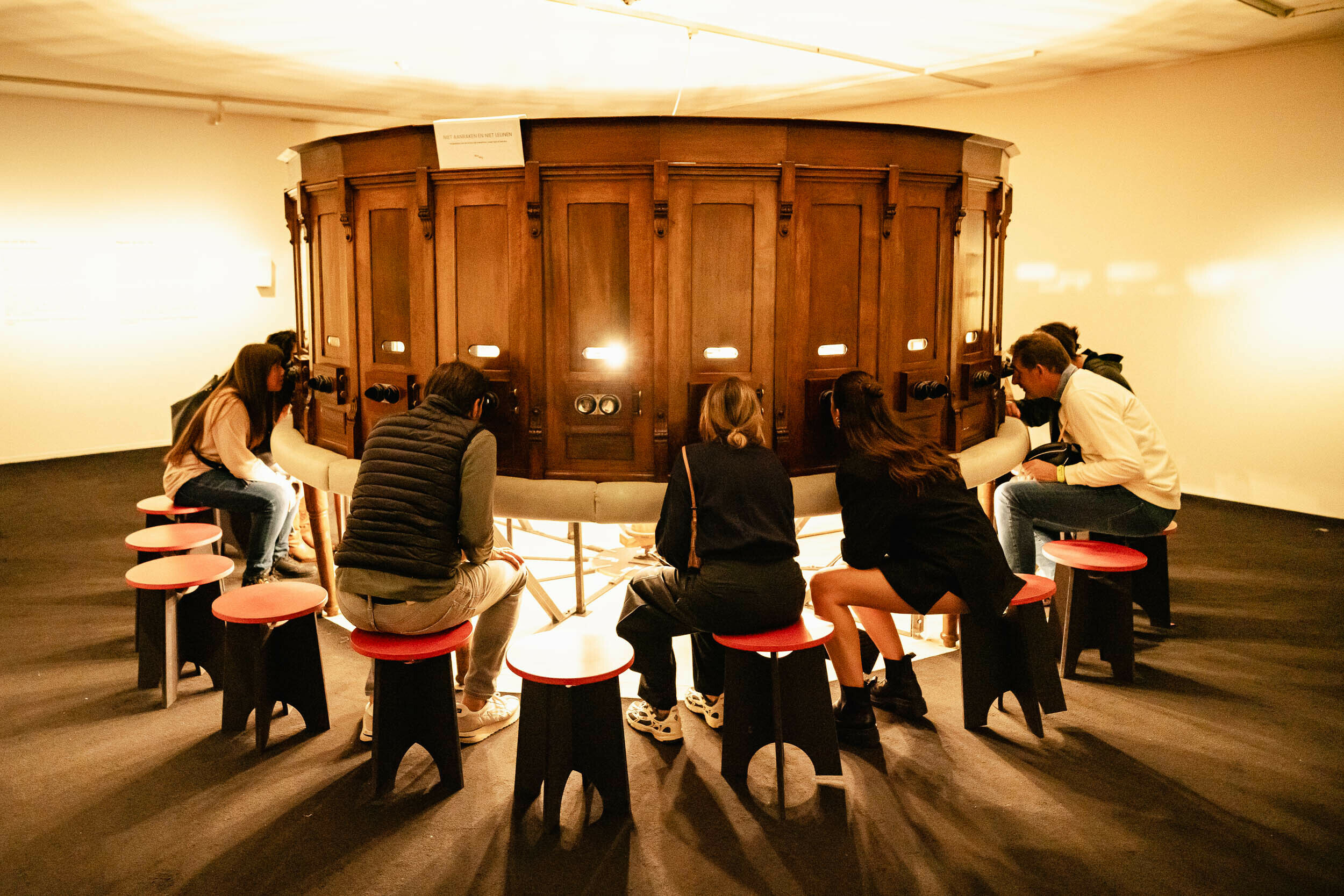
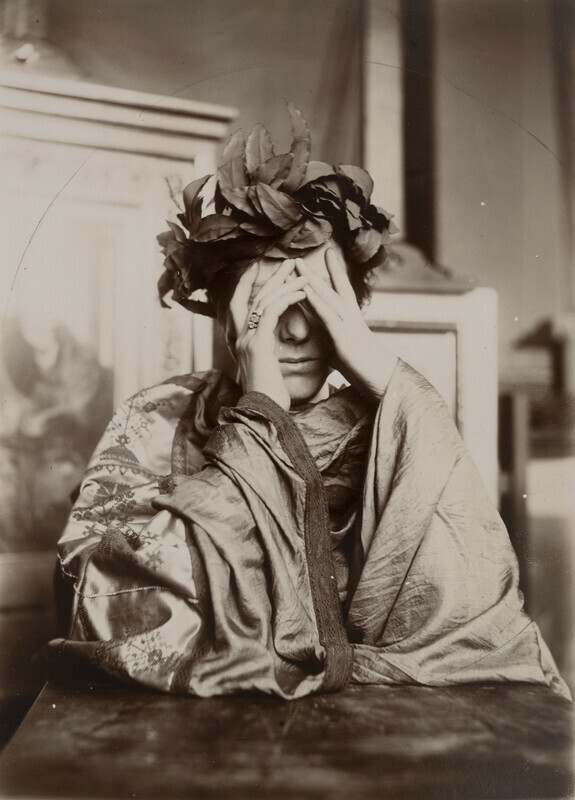
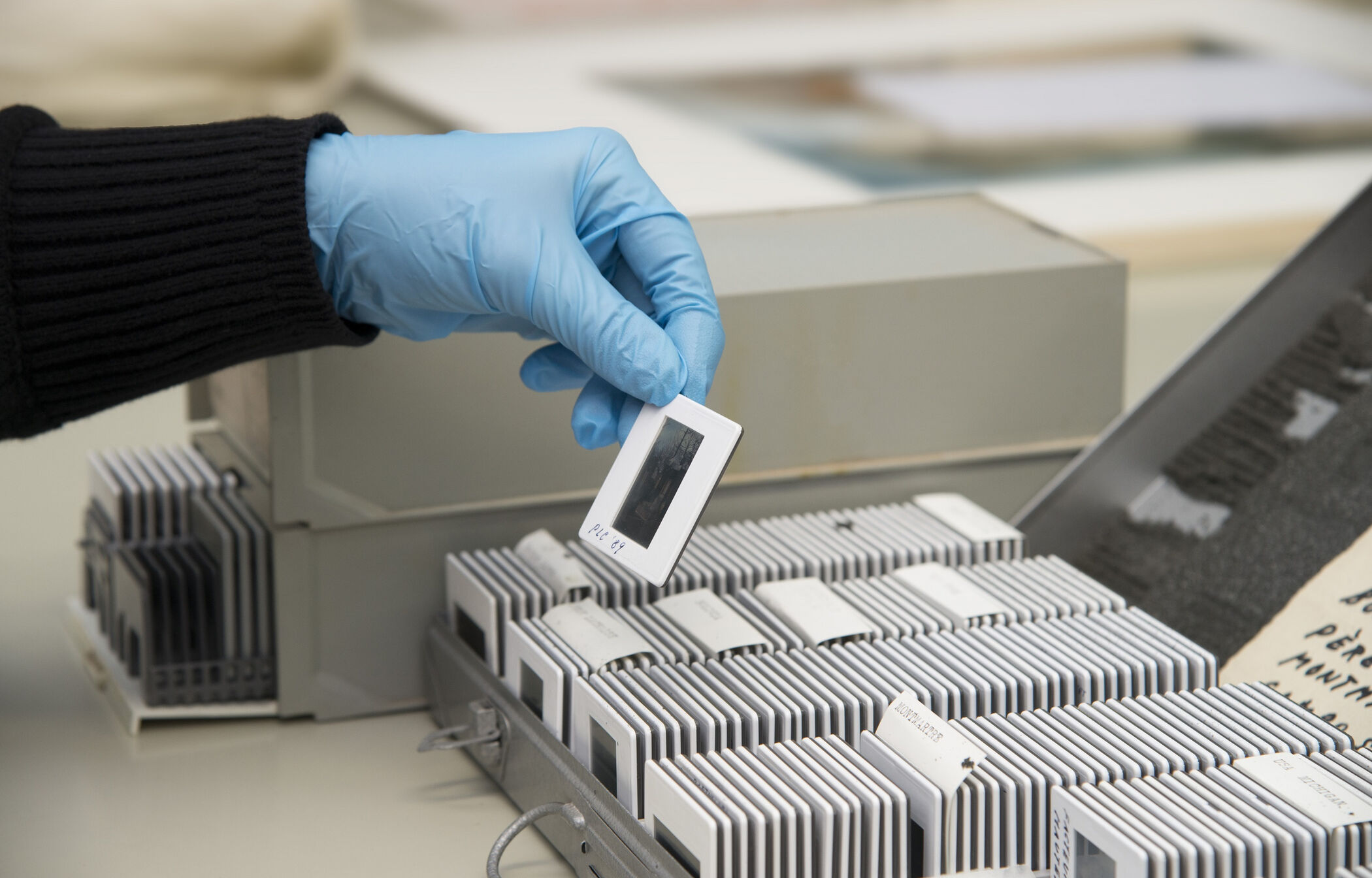
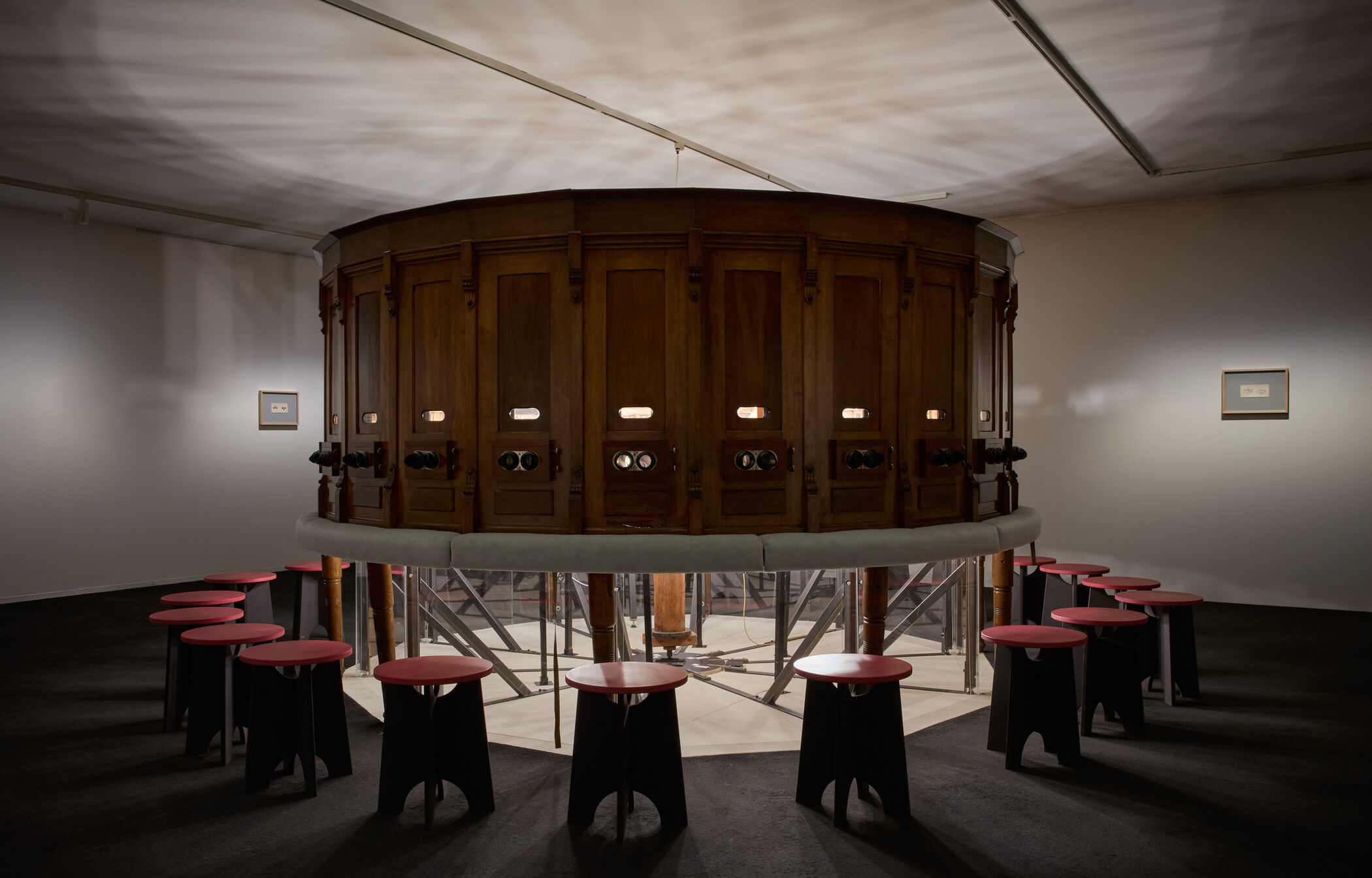
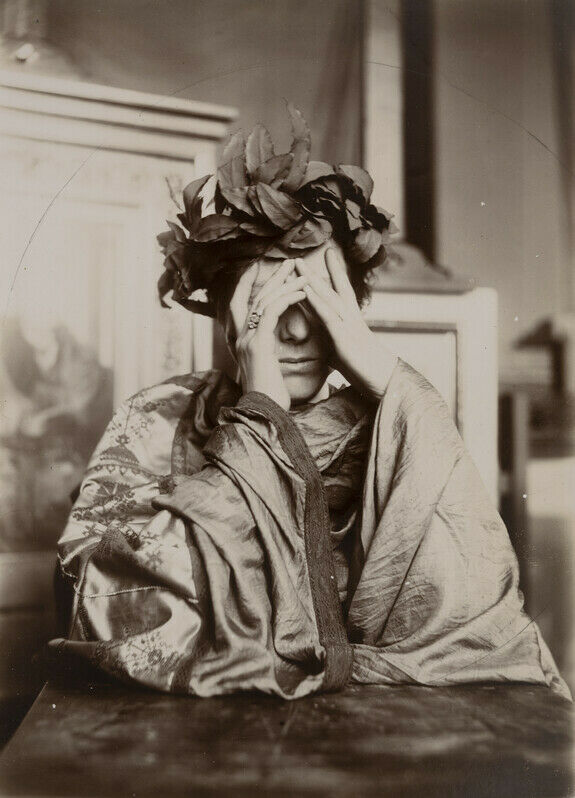
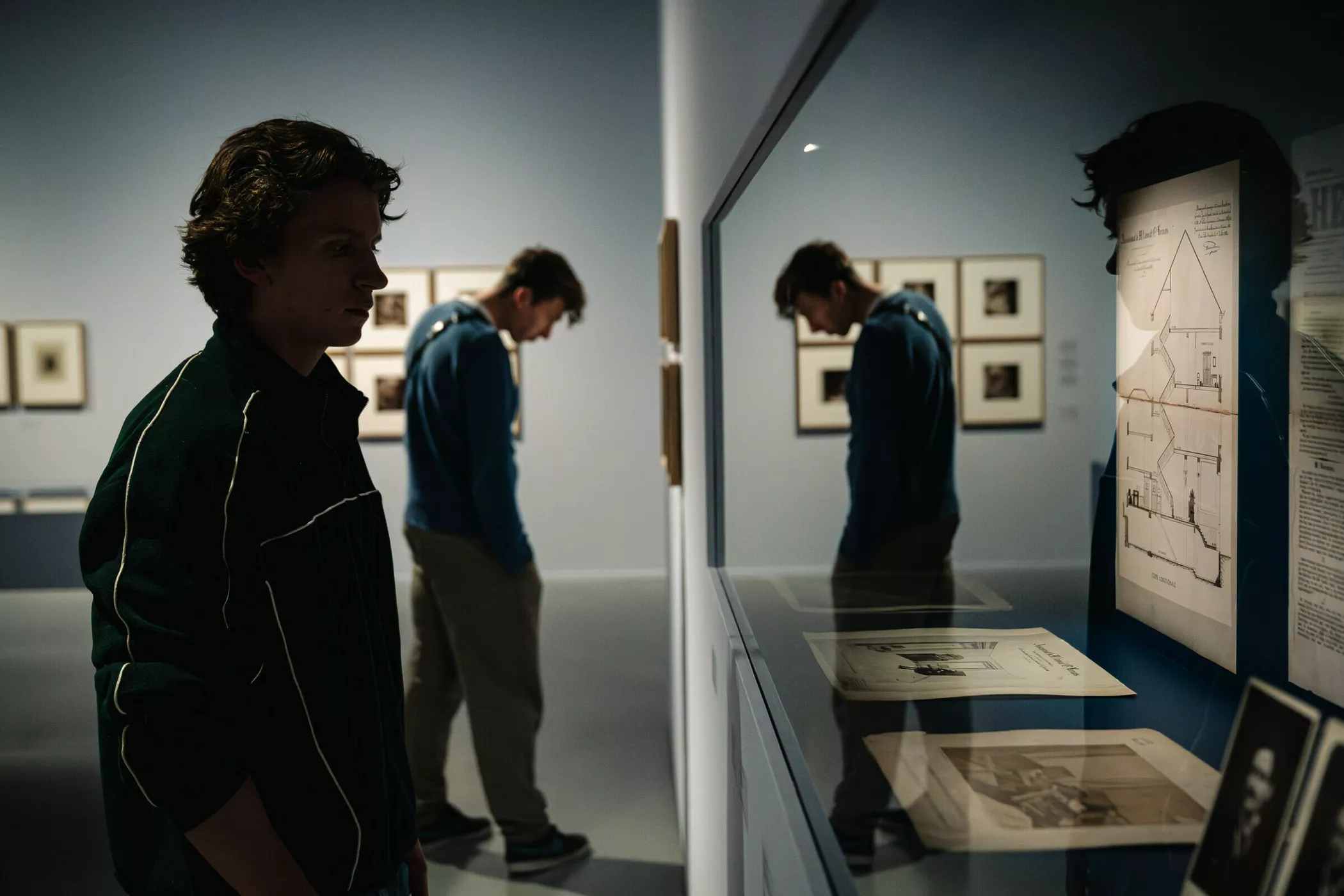
The exhibition EARLY GAZE opens new perspectives on the emergence of photography in nineteenth-century Belgium, ranging from intimate portraits to medical experiments. At the same time, the exihibition makes clear that what became visible - and what did not - continues to be felt and shapes collections and archives today.
From this starting point, the symposium An Ethical Gaze on What Remains takes shape. It focuses on the responsibilities that today accompany the preservation, research and presentation of these images, and on the tensions that inevitably arise in the process.
The symposium reflects on the choices and ethical questions that emerged during the making of Early Gaze, and connects them to broader questions of institutional responsibility and accountability in dealing with contested and incomplete collections and archives.
The day offers insight into how ethical questions around photographic heritage are approached within museum practice.
What can you expect?
Do not expect a traditional academic symposium, but rather a day that explores critical thoughts and concrete practices centered around three key questions:
- What does it mean to research photographs when context is missing, voices are absent, or consent was never explicitly given?
- How does a museum translate gaps and tensions in images shaped by unequal power relations into an exhibition?
- How do we navigate the friction and nuance between safe censure and brave transparency?
Internal and external curators and researchers address concrete choices around research, presentation and mediation within Early Gaze, and share insights into how collections and archives can be approached today from a contemporary perspective.
Programme
- 9:30: Doors
- 10:00 - 12:00: Introducton & Keynotes 'Setting the Gaze'
- 12:00 - 13:30: Lunch (included in price) and visit to the exhibition
- 13:30 - 15:15: An Ethical Gaze on What Remains : Panel Talk and Q&A
- 15:15 - 16:30: Wrap-up & reception
10:00 - 12:00: Introducton & Keynotes 'Setting the Gaze'
- Tamara Berghmans (Curator and researcher FOMU Collection, Early Gaze)
Behind the scenes of Early Gaze: the choice to focus on 19th-century photography, the research process, and its translation into an exhibition and publication. - Sonia Mutaganzwa (Assistant Curator and author Early Gaze publication)
Call to Attention of Early Gaze: making visible what remains structurally absent in photographic heritage, and the implications this has for how we look, interpret, and present images within museum practice. - Steven F. Joseph (Collector, author, and historian of 19th century photography)
The gaps of photographic history: how the neglect of photographic heritage at the end of the 19th and the beginning of the 20th century continues to shape archives and collections today. - Afaina de Jong (Architect, spatial designer, and director of AFARAI studio)
Making space for ethics: how ethical questions are translated into physical space, form, and sensory experience within exhibition practice. - Anne Wetsi Mpoma (Art historian, curator, and director of Wetsi Art Gallery)
The museum as an accountable space: how museums take responsibility by placing participation at the centre when working with incomplete and sensitive heritage.
13:30 - 15:15: An Ethical Gaze on What Remains : Panel Talk and Q&A
Moderator: Zeynep Kubat (curator FOMU)
Panelists:
- Ingrid Leonard (researcher and curator FOMU Collection, Early Gaze)
- Kaat Somers (researcher and projectmanager, sensitivities in archives and collections)
- Noah Littel (PhD researcher, alternative and intersectional archival practices)
- Jessica de Abreu (anthropologist and curator, co-founder The Black Archives)
The panel builds on the insights from the morning programme. Drawing on different practices, it reflects on the non-neutrality of archives and on how collections are actively built, managed, and questioned. Archives and collections are approached as living and evolving structures.
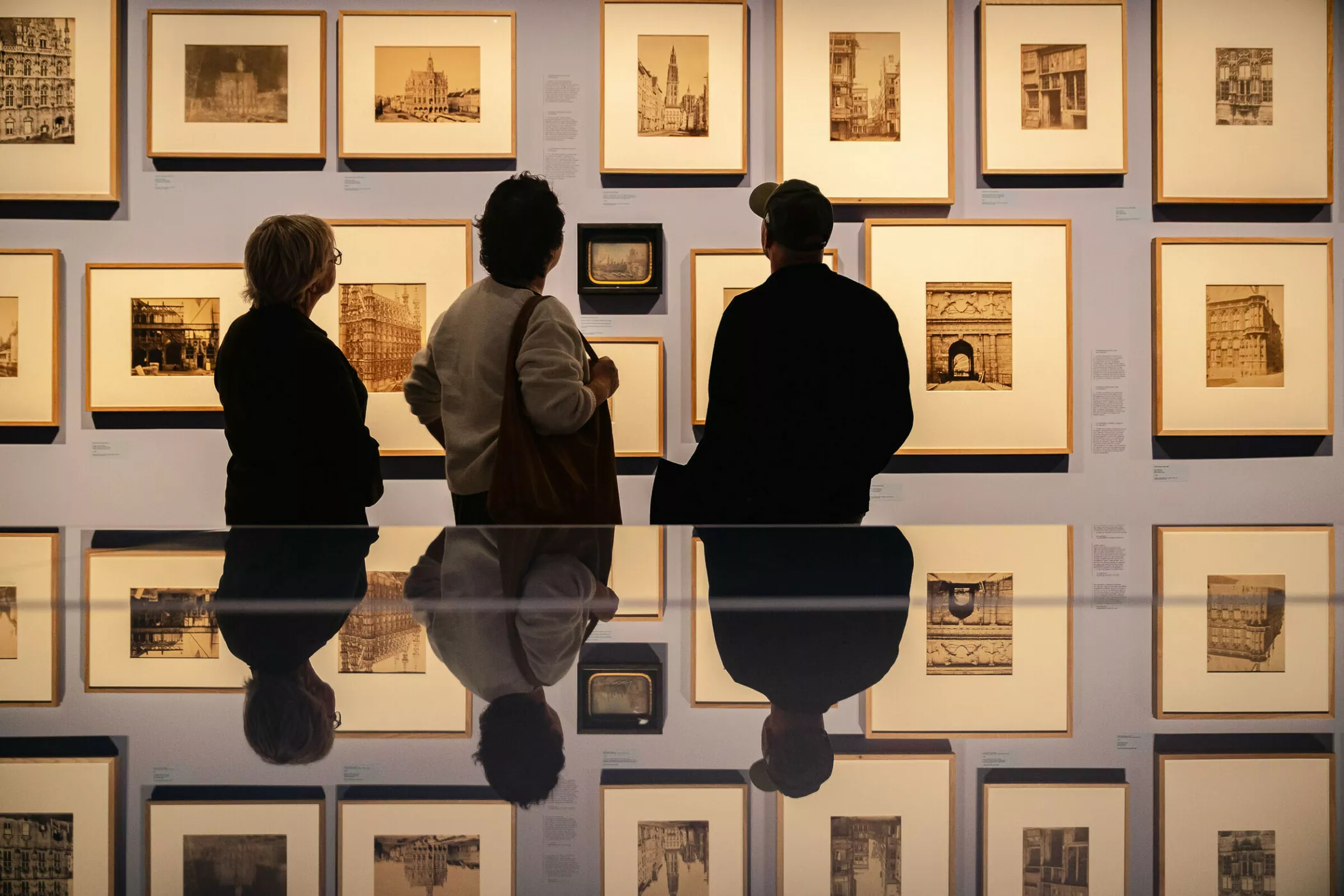
The discussion explores how exhibitions take shape when working with sensitive and incomplete archives and collections, and how institutions navigate the tension between institutional responsibility and public participation.
Practical information
- Places are limited; advance registration is required.
- The symposium will be conducted in English
- Lunch, reception, and access to the exhibitions are included in the price.