


Graciela Iturbide
18.09.2026
17.01.2027
Eyes to Fly With
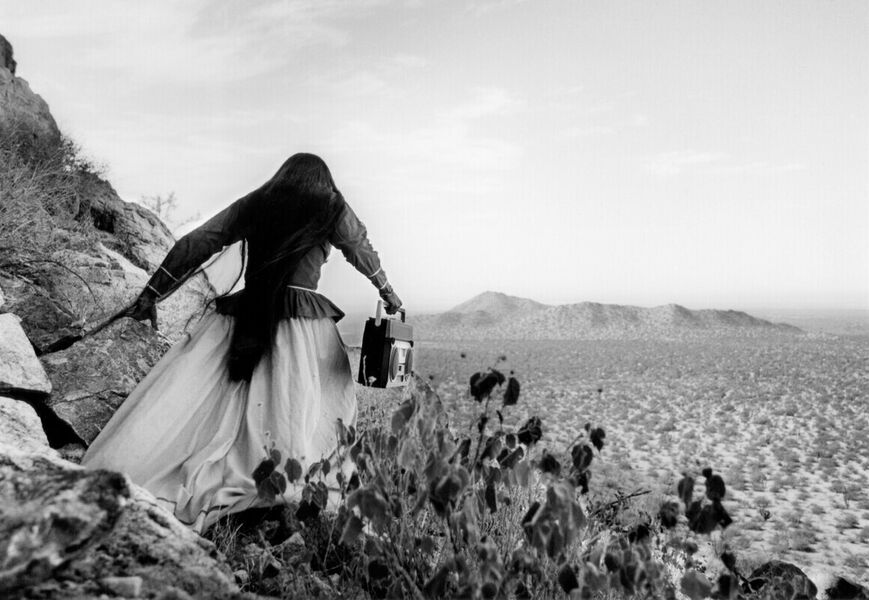
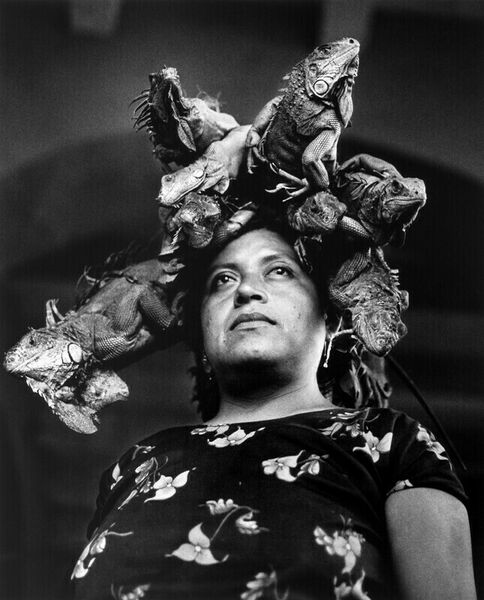
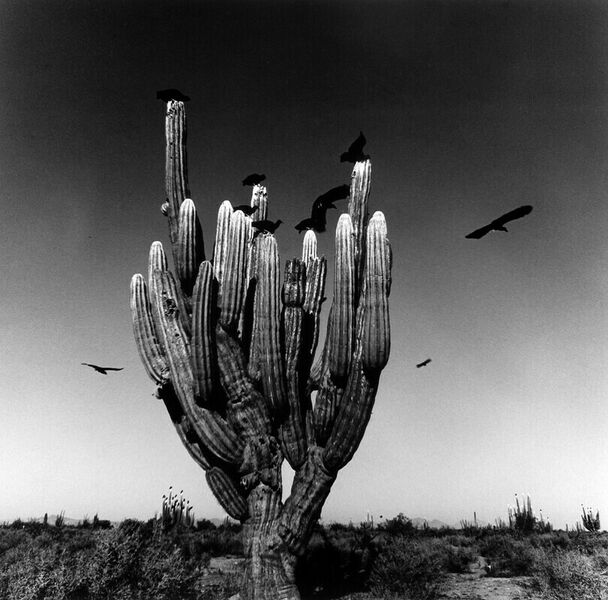
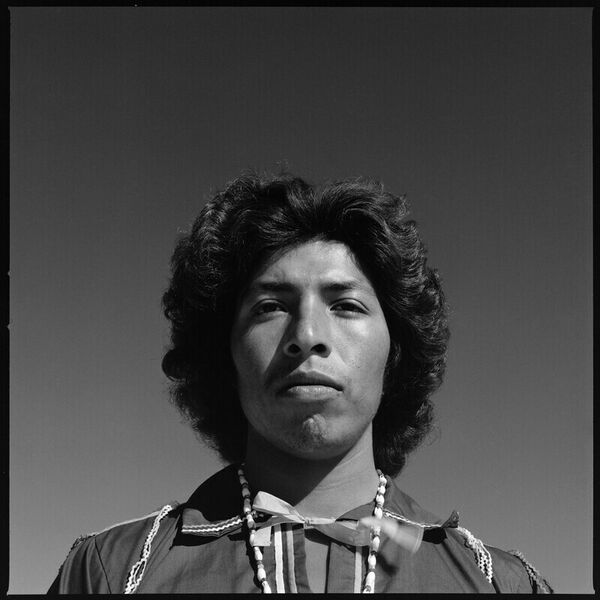
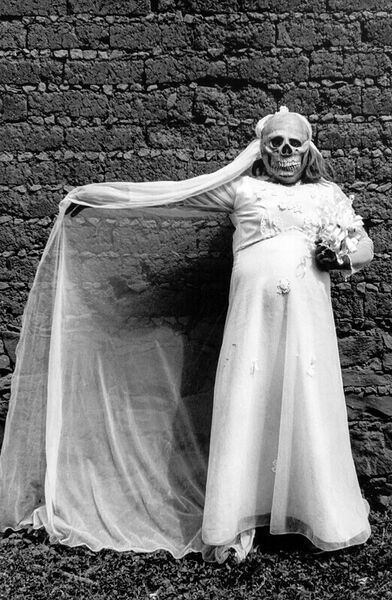
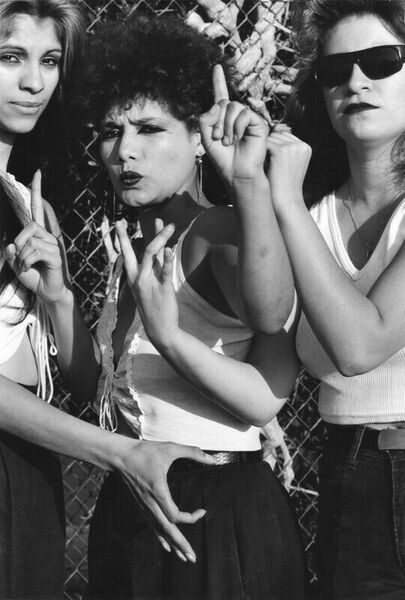
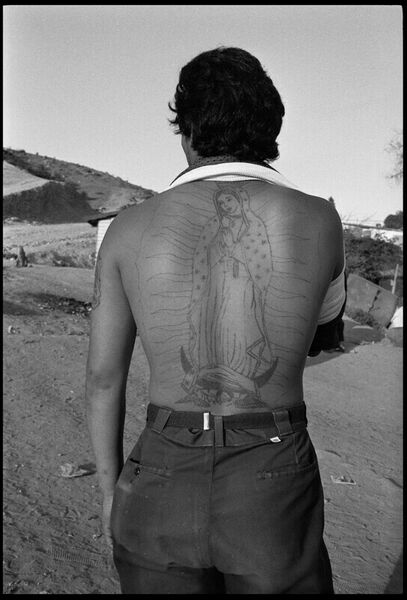
Eyes to Fly With is the first major retrospective of the work of renowned Mexican photographer Graciela Iturbide in Belgium. Her work explores themes such as identity, social relationships and ephemerality.
The title of the exhibition, Eyes to Fly With, is inspired by one of Iturbide’s self-portraits and refers to her vision of photography as a means of exploring both oneself and the world. For Iturbide, photography has an emancipatory quality, opening up new perspectives on reality.
In the exhibition, you will discover, among other things, the important societal and economic roles performed by women from the Zapotec community in Oaxaca. Graciela Iturbide breaks with traditional conceptions of gender by placing women at the heart of her work. In the series White Fence, she investigates how identity is a product of factors like ancestry, living conditions and migration, and how communities continue to evolve and adapt over time.
Iturbide depicts rituals, spirituality and the traditions that are a part of daily life – as in La Matanza, with its focus on slaughter and sacrifice, or her work on the Seri people. Also part of the exhibition are her intimate photos of Frida Kahlo's bathroom – sealed off, along with many of the painter's personal belongings, for fifty years after her death – and her rarely exhibited work from India and Bangladesh.
The exhibition has been developed in close consultation with the artist and comprises around 160 works, from iconic black-and-white photographs to rarely seen vintage prints, colour photos and contact prints. Together they offer a unique insight into over half a century of photographic work.
The exhibition was originally organized and produced by C/O Berlin Foundation in collaboration with the artist, curated by Sophia Greiff and Melissa Harris.