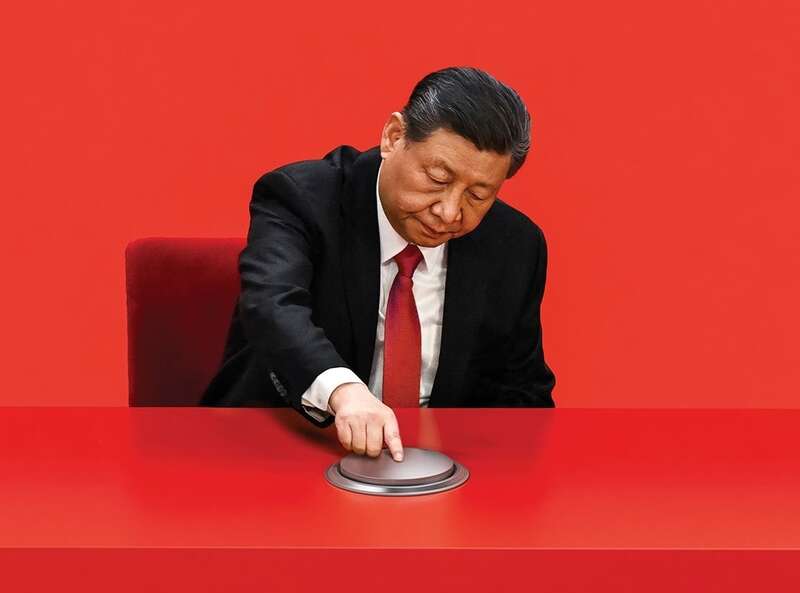
Picture China and the United States. At each other’s throats. It wouldn’t be the first time! Yet in January 2025, the balance of power shifted subtly eastward. Following the US Supreme Court’s decision to uphold the country’s nationwide ban on TikTok, thousands of American (and Canadian) users did something previously unthinkable: they flocked to a Chinese social media platform, RedNote (known domestically as Xiaohongshu). The app’s name literally translates to ‘Little Red Book’ – the colloquial name for the red-covered, pocket-sized volume of Mao’s speeches and writings that became a talisman of China’s Cultural Revolution. A coincidence? Its founder has explained that the inspiration for the name and colour scheme came from institutions like Stanford Graduate School of Business and Bain & Company, rather than any ideological allusion. Allegedly.
Beyond geopolitics, the RedNote exodus reveals a deeper truth about technology’s role in society, and what this role can be. TikTok exemplifies the modern internet’s shift toward monetisation and algorithmic pressure, where interactions prioritise clicks over creativity or genuine connection. RedNote, by contrast, echoes the ethos of the 1990s internet: messy, exploratory, and relational. Users can engage creatively, exchange cultural tidbits, and co-construct networks without the constant push to ‘go viral’. The TikTok-to-RedNote story shows how social media can mediate human interaction not merely as consumption, but as co-creation, cross-cultural dialogue, and community formation.
The official rationale for the TikTok ban emphasised national security, TikTok’s data collection, and potential ideological influence from Beijing. However, lawmakers also highlighted political content amplification. Senator Mitt Romney, for instance, linked the renewed momentum for a ban to the visibility of pro-Palestinian content on the platform during the Gaza genocide. As Romney put it,
Some wonder why there was such overwhelming support for us to shut down potentially TikTok or other entities of that nature. If you look at the postings on TikTok and the number of mentions of Palestinians relative to other social media sites, it’s overwhelmingly so among TikTok broadcasts. So I’d note that’s of real interest, and the president will get the chance to make action in that regard.Ben Metzner, ‘Mitt Romney Reveals Twisted Reason Why Congress Moved to Ban TikTok’, The New Republic, 6 May 2024.
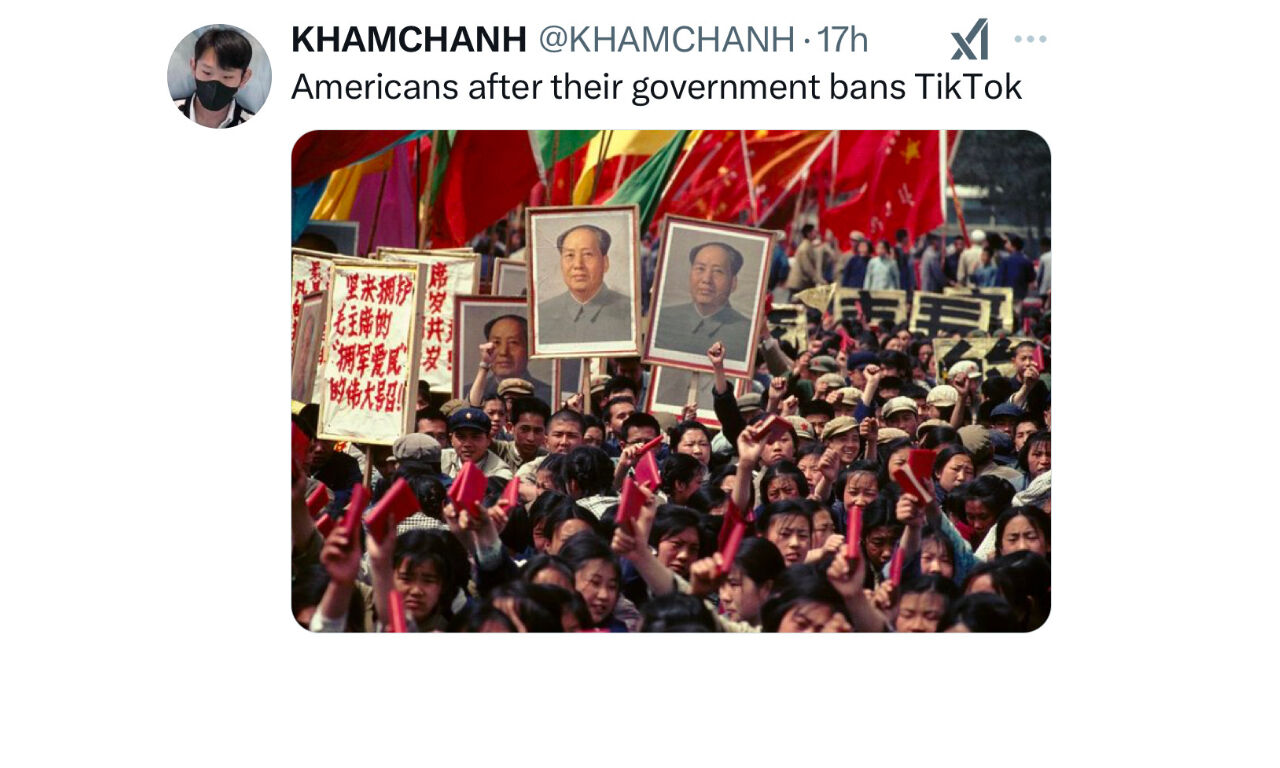
Simultaneously, TikTok was a site where youth mobilised, where reality could be remediated outside of traditional media scripts. For many users, migrating to RedNote felt less like capitulation and more like a digital declaration of agency: President-Xi,-take-my-data,-please!-Here’s-a-scan-of-my-passport,-my-social-security-number,-and-a-DNA-test-mailed-directly-to-the-Communist-party’s-headquarters,-because-that’s-just-how-much-I-hate-my-leadership-as-an-American.
The move was pragmatic as well as performative, and totally understandable. For many, TikTok was both a lifeline and a livelihood: news, emotional connection, and revenue. Some users went to RedNote to safeguard income streams; others sought the thrill of being early adopters of a new platform. In either case, the migration was not accidental; it was motivated by platform logic, geopolitical pressures, and the desire for community continuity.
In terms of income streams, while TikTok’s Creator Fund and brand collaborations offered direct monetisation, RedNote does not reward views per se but instead relies on indirect channels: affiliate marketing, e-commerce, and a creator dashboard for brand partnerships.Andrew R. Chow, ‘Why So Many TikTokers Are Moving to the Chinese App Red Note Ahead of Ban’, TIME, 14 January 2025. Leo Hunter, ‘Can TikTok Refugees Really Make Money on REDnote? The Hard Truth’, REDnote, 15 January 2025, https://rednote.so/blog/can-tiktok-refugees-really-make-money-on-rednote. Yet the platform’s hybrid visual, textual, and video feed offered enough familiarity, and new operational space, to sustain creative and social life, allowing users to translate their TikTok-honed skills to a different ecosystem.
Unlike Douyin (TikTok’s Chinese domestic sibling), Rednote was accessible abroad at the time and offered a lifestyle-focused interface, blending photos, text, video, and e-commerce recommendations.Nicodemus, ‘Can You Monetize RedNote? A Guide for TikTok Refugees’, TikTok Refugee, 16 January 2025, https://www.tiktokrefugee.info/guide-/can-you-monetize-rednote-a-guide-for-tiktok-refugees. Rest of World staff, ‘RedNote (Xiaohongshu): Everything to Know’, Rest of World, 15 January 2025. Its unfamiliarity was part of its appeal: it was a lifeboat, not a clone. The app’s sudden prominence illustrates the porosity of digital spaces in relation to political constraint: when one platform closes, users do not vanish; they migrate, often across firewalls and geographies, carrying practices, aesthetics, and affective networks with them.
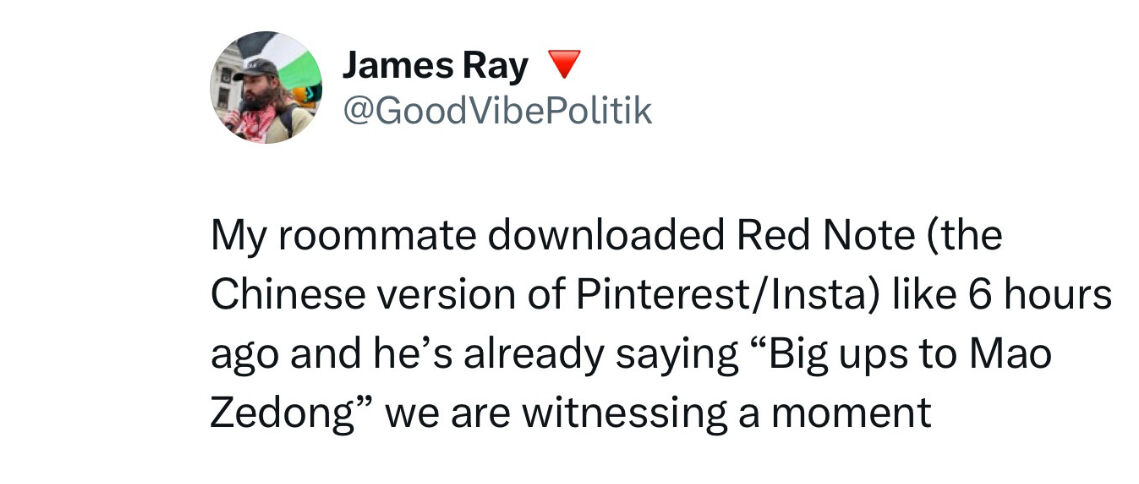
This mass movement, driven by algorithmic exile, was more than just another digital trend. It became a form of involuntary grassroots diplomacy, a photography-forward migration shaped as much by visuals as by language. And it perfectly illustrated how photography, or more precisely, photo-based platforms, have evolved into a connective interface between audiences who were hitherto rarely able, or even meant, to interact, due to a separation that’s partly structural (a result of firewalls and national boundaries) and partly intentional (due to censorship and media silos).u/TikTokUser123, ‘Refugee’, Reddit, 15 January 2025. This piece is an attempt to explore that interface as it unfolds across firewalls.
Soft aesthetics, hard infrastructure
And yet, ambivalence lingers. RedNote is deeply embedded in the Chinese tech ecosystem, subject to the same infrastructural and regulatory pressures that shape most Chinese platforms. Like TikTok, it’s Chinese-owned; the difference lies in global positioning. TikTok, operated by Beijing-based ByteDance, presents itself as a transnational platform, run by Singaporean CEO Shou Zi Chew and with staffed offices in Singapore and Los Angeles. RedNote, by contrast, remained unapologetically domestic until recently, a lifestyle and shopping hub co-founded in 2013 by Charlwin Mao Wenchao and Miranda Qu Fang, backed by Alibaba and Tencent.
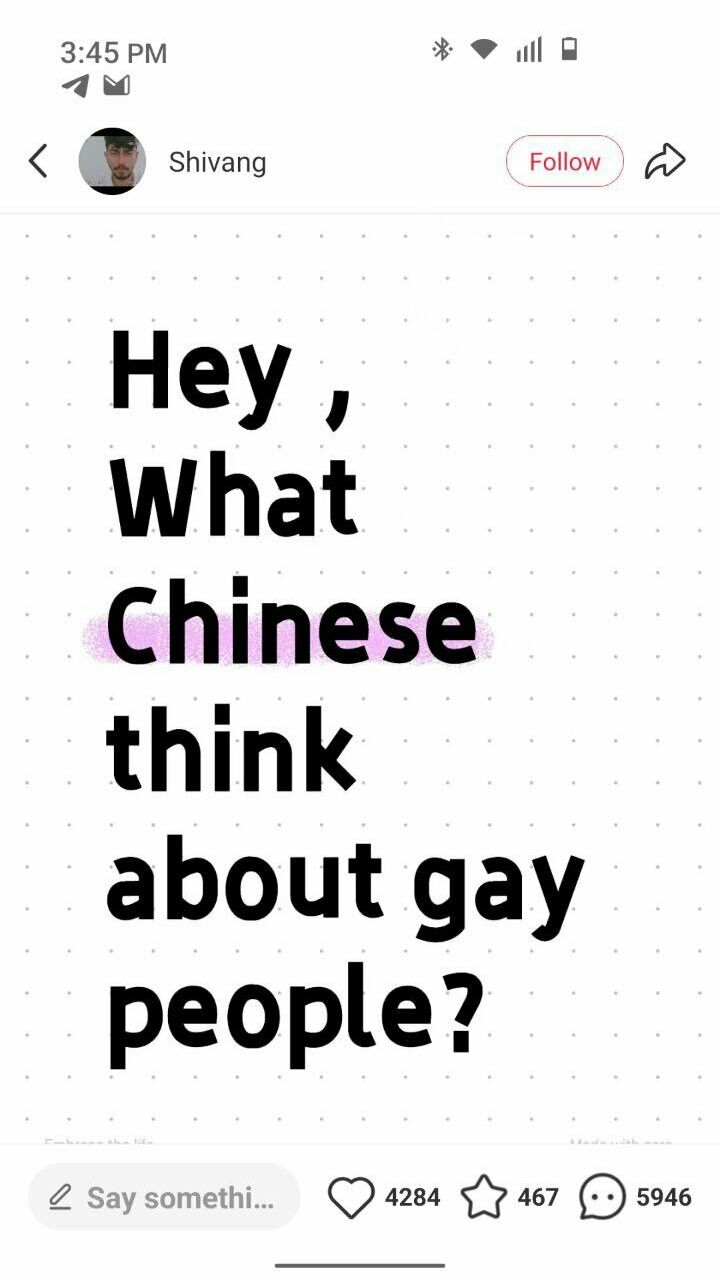
The embeddedness of RedNote has material consequences for content that are less visible on TikTok’s international feeds. Posts touching on politically sensitive topics – Taiwan, LGBTQ+ rights – are quietly moderated. Sometimes posts are deleted outright; sometimes they are algorithmically ‘de-boosted’, remaining technically visible to their authors but invisible to most other users. In practice, this means a user may see their own post, notice a lack of engagement, or receive a vague ‘violates platform policy’ notice. US-based users experienced such interventions first hand: LGBTQ+ posts were removed, and accounts occasionally suspended for innocuous mentions of queer identity or for showing modestly revealing clothing.Ryan Adamczeski, ‘What Is RedNote? The TikTok Alternative that Doesn’t Allow Showing Skin or LGBTQ+ Content’, The Advocate, 13 January 2025. The effect is subtle but real, moderation framed as neutrality often masking censorship enforced through state oversight.
Contrast this with the West. Shadow bans on platforms like TikTok and X operate differently: content isn’t removed but rendered invisible algorithmically. Users may see their posts, but they vanish from searches, hashtags, or follower feeds. For a time, the existence of shadow bans was publicly debated, prompting users to repeatedly post in the hopes of achieving visibility (remember those ‘I’m trying to see something’ posts?). RedNote’s de-boosting is similar in purpose but structurally different: it’s deliberate, patterned, and tied to content categories sensitive to the state.
These constraints fostered new creative strategies. One example is the ‘selfies overload’ tactic: users post a flood of innocuous images to dilute visibility constraints on politically sensitive content. Selfies would be followed up with calls to organise, or explainer videos about said sensitive political content. The platforms push selfies up while trying to suppress other types of content. Think of it as someone coming up for air; with each selfie they’re again visible on the platform. Lavender Au observes that platforms like RedNote offer a ‘softened aesthetics of control’, in contrast with Western shadow bans that are subtler but more unpredictable.Lavender Au, ‘Are You Like Us?’, London Review of Books Blog, October 2024. Here, Wendy Chun’s concept of habitual media resonates: creative users adapt, repeating everyday gestures to negotiate systemic restrictions, producing forms of expression that are legible within, yet resistant to, platform control.Wendy Hui Kyong Chun, Programmed Visions: Software and Memory (MIT Press, 2011).
The asymmetry is instructive. Chinese platforms operate under governance models that define permissible discourse; US platforms operate under neoliberal logics, where dissent is tolerated so long as it can be monetised or measured. Alexis Ohanian describes the internet as ‘flat’, a space where ideas theoretically spread without hierarchy.Dan Schawbel, ‘Alexis Ohanian: How the Internet Can Make Your Life Awesome,’ Forbes, 1 October 2013. Yet this flatness collides with geopolitical and economic realities. On RedNote, the state sets boundaries; on TikTok, investor and advertiser interests shape reach. In both cases, the platform is never neutral. The ‘rules’ define who may speak, how, and with what amplification.
Despite these constraints, users find ways to communicate across boundaries. Visual cues, humour, and indirect subthreads often replace overt political messaging, producing what Mary Louise Pratt would recognise as a contact zone: a space where meaning is negotiated asymmetrically, collaboratively, and creatively.Wikipedia contributors, ‘Contact Zone’, Wikipedia, last modified 25 April 2025. American, Canadian, and global users have experienced restrictions on Western platforms, too, particularly on content related to Palestine, yet these same posts often traversed RedNote’s feeds without friction. In this mirrored space, users learned to translate, adapt, and connect, highlighting that cross-cultural digital exchange is not only possible but generative within constraints.
Platform Economics and Aesthetic Contact Zones
When the refugees arrived, the platform was remarkably adaptive. Within days of the TikTok ruling aimed at banning the app in the US, RedNote rolled out English-language onboarding, expanded cloud capacity, and hired moderation teams to handle North American content.‘Americans Flock to RedNote: “We Have the Same Struggles”’, The Guardian, 14 January 2025. These adjustments were reactive: responding to user demand and the sudden opportunity to host a highly networked, creative audience. RedNote was not originally designed as a global platform; it had been a niche lifestyle community for China’s middle class, focused on aspirational shopping, visual storytelling, and personal curation. Yet the convergence of structural flexibility, pre-existing visual appeal, and a user base already skilled in creating and circulating content made it the platform of choice for TikTok refugees.
Jianqing Chen notes that RedNote’s visual culture revolves around minimal interiors, luxury skincare, and monochrome cooking setups.Jianqing Chen, ‘What’s Happening on RedNote? A Media Scholar Explains the App TikTok Users Are Fleeing to – and the Cultural Moment Unfolding There’, The Conversation, 15 January 2025. North American users brought a different sensibility, one that is chaotic and maximalist, filled with meme-driven humour, and displaying DIY aesthetics. The result was both cultural and class friction. The once-sacrosanct ‘haul video’, a genre showcasing polished, curated purchases, now featured Dollar Tree finds, Walmart chaos, and humorous oddities. Photo posts adopted meme aesthetics, hashtags became bilingual, and aesthetic fluency began to cross-pollinate.
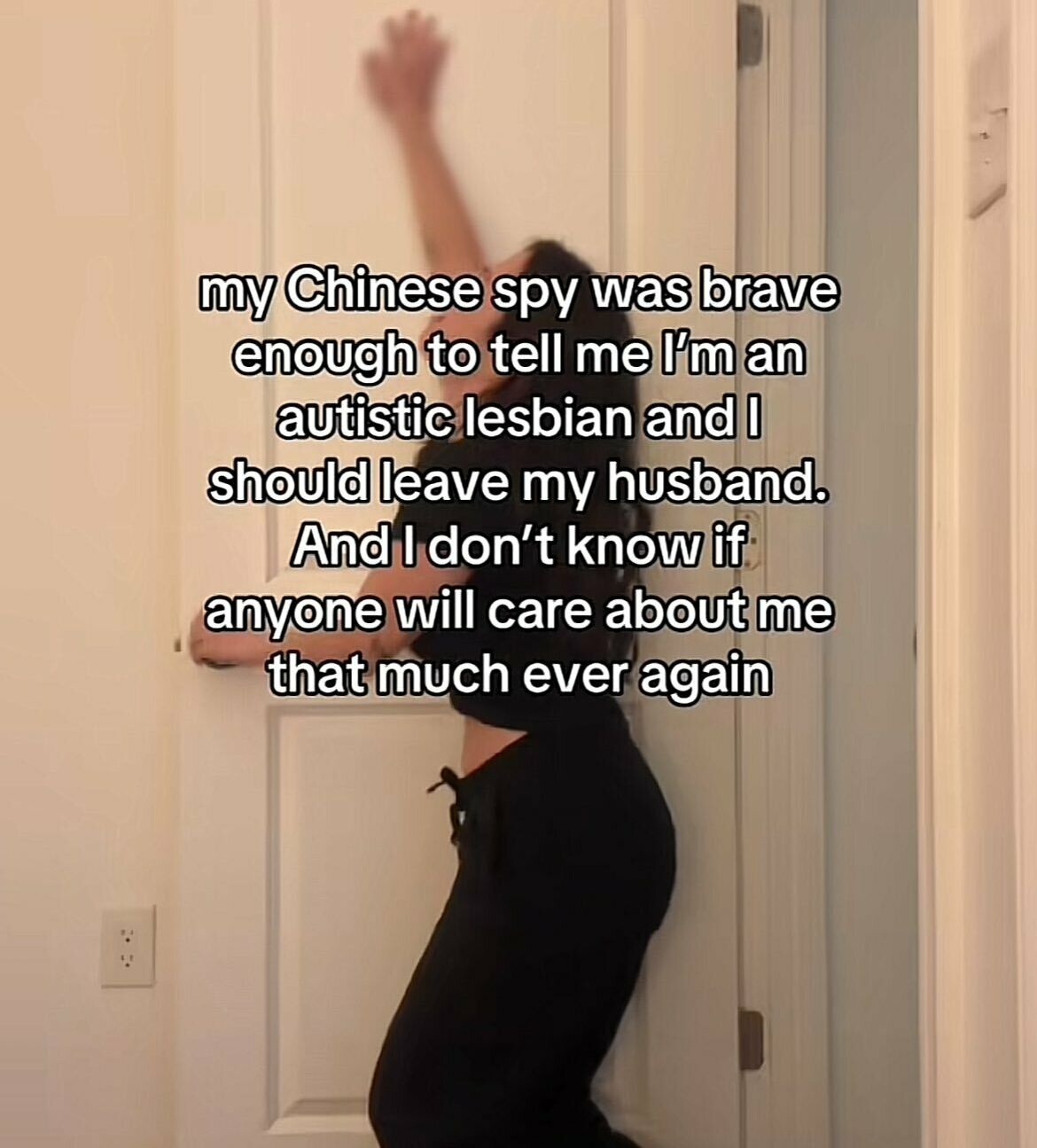
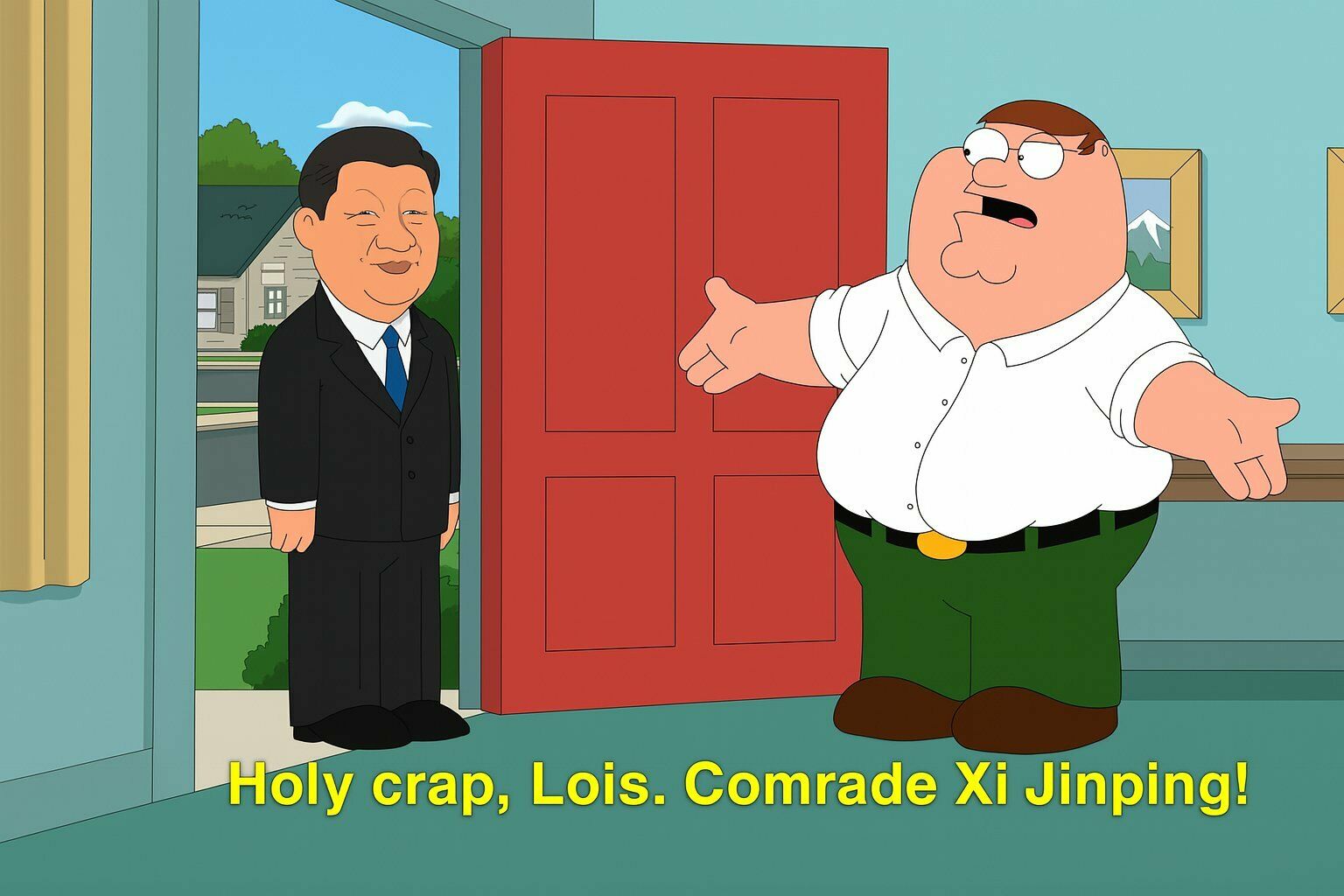
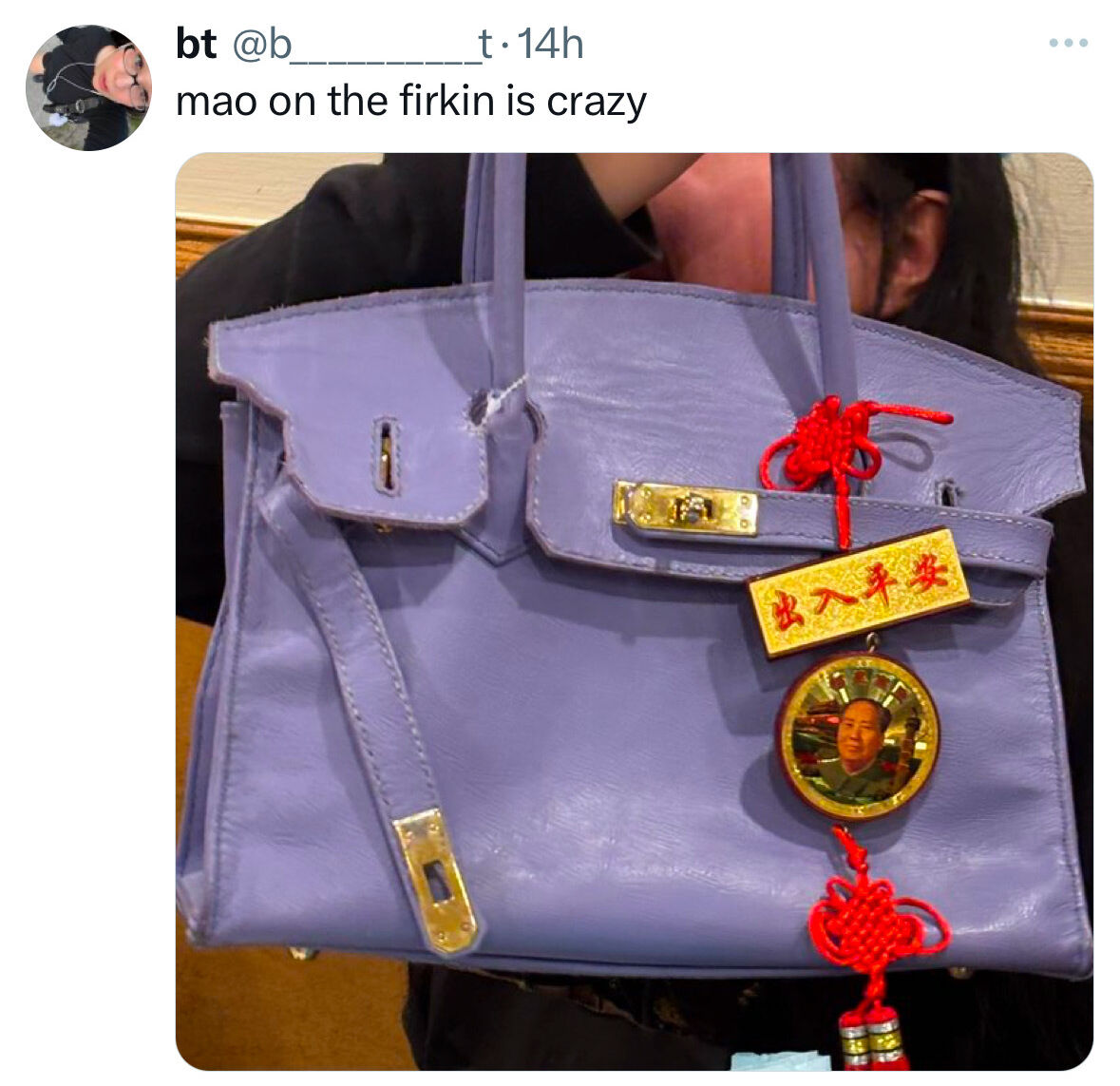
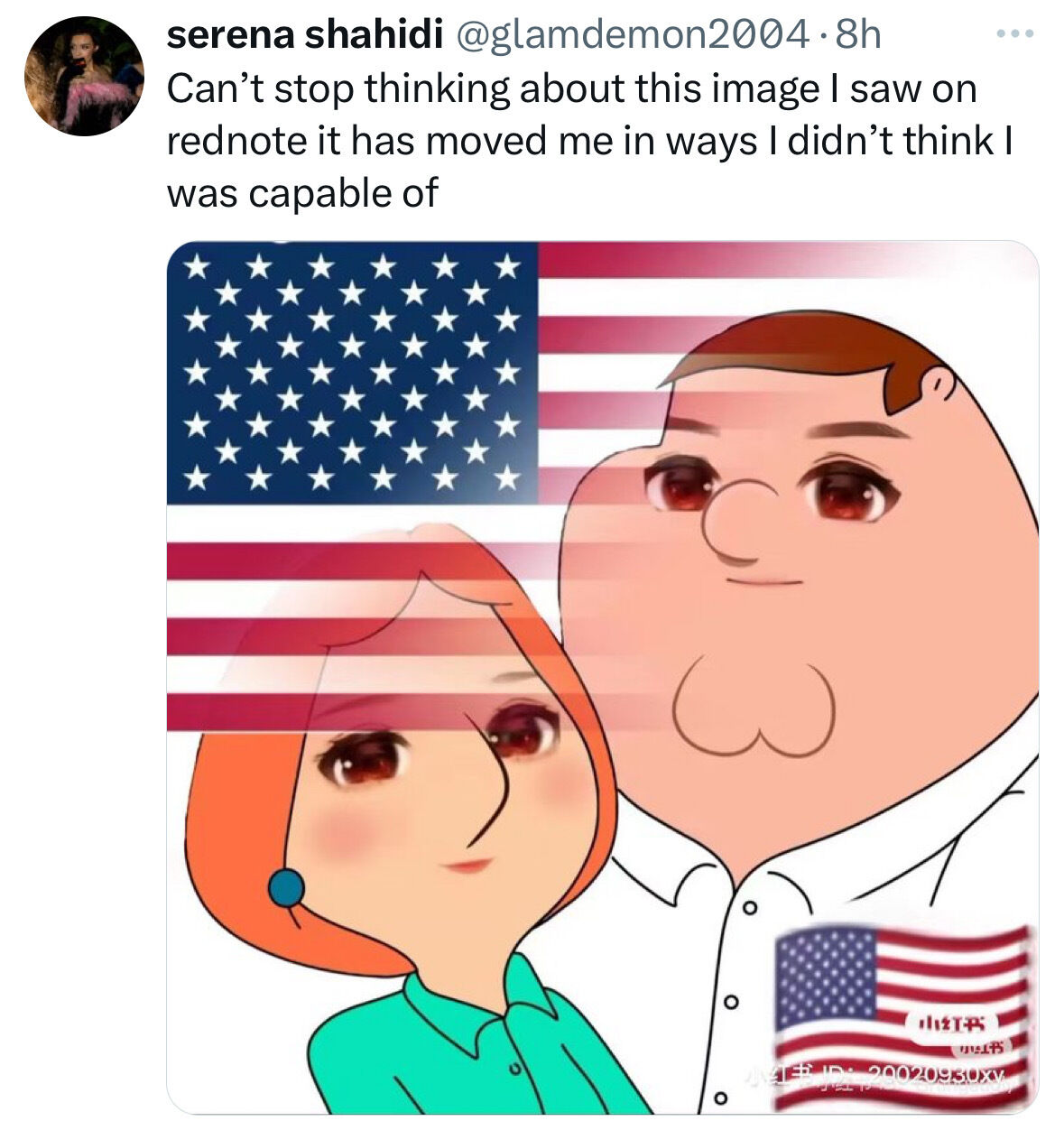
This was not a merging but a cross-contamination. Chinese influencers experimented with American-style satire; American posters experimented with flat-light, quiet-luxury aesthetics. Each group absorbed cues from the other, building empathy and fluency. Someone halfway across the world liking your ramen photo and DMing info about the seasoning brand exemplifies this generative exchange: small acts of attention, co-creation, and micro-translation across cultures.
Yet this dynamic also highlights platform economics. Chronological chaos and aesthetic experimentation are socially generative, but algorithmic curation prioritises predictable engagement for advertisers. The serendipitous proximity that enabled cross-cultural dialogue was economically marginal. Platforms reward content that maximises clicks and retention, privileging homogeneous, monetisable outputs over hybrid, experimental engagement. In other words, the richness of cross-cultural contamination thrives in spaces that the attention economy often devalues.
This interplay underscores the importance of the interface over the image. It’s not simply what users post, but how the feed, algorithm, and moderation system structure attention, guide interaction, and facilitate, or inhibit, cross-cultural fluency. TikTok’s hyper-personalised ‘For You’ page amplifies attention-driven behaviours; RedNote’s curated, slower feed supports lingering, reflective engagement. Platform design mediates the circulation of content, shaping both aesthetic practices and social encounters.
Visual Commons and Photographic Practice
The RedNote migration created a new visual commons: messy, multilingual, and full of missteps, mistranslations, and inevitable digital friction. Far from the polished, algorithmically optimised feeds of other platforms, this space was generative precisely because of its disorder. Visual media mediates encounters, not just aesthetics but social and cultural relations. While RedNote supports short videos, the platform remains predominantly photo-driven, and it was the circulation of images, collages, memes, and styled posts that structured much of the cross-cultural exchange.
Out goes the ‘punctum’ of the still – Roland Barthes’ term for the detail in a photograph that pierces the viewer’s subjectivityRoland Barthes, Camera Lucida: Reflections on Photography, trans. Richard Howard (Hill and Wang, 1980). – and in comes the temporal cadence of sharing, resharing, and reframing. On RedNote, this cadence was shaped both by the platform’s roughly chronological feed and by algorithmic curation: trending hashtags, engagement metrics, and moderation priorities produced a rhythm that was neither purely chronological nor entirely algorithmic. Users adapted, translating cultural meaning in real time, adjusting their visual language to be legible across boundaries. What unfolded was not an aesthetic revolution but a subtle recalibration: images became communicative tools, collaborative gestures, and connective media.
So what kind of audience engages in this space? Not passive consumers. Not merely followers. But rather networked participants co-creating both content and context, digital prosumers in the truest sense. These are similar to the participants who once curated GeoCities pages, wrote HTML blogs, and experimented with the boundaries of emergent online communities. RedNote encouraged this ethos by reducing algorithmic pressure to go viral, fostering dialogue over metrics, and rewarding aesthetic fluency, reciprocity, and thoughtful sharing. As the Guardian noted, users often posted ‘not to gain followers but to contribute to an emergent dialogue: “It’s not about going viral here,”’ one user said, “it’s about being seen”.‘RedNote: TikTok Users Flock to Chinese App amid US Ban’, The Guardian, 18 January 2025.
The messiness of the platform was its generative strength. A Canadian student’s thrifted green-cap selfie sparked a cascade of responses from Chinese users, explaining that green hats symbolize infidelity in Chinese slang – ‘wearing a green hat’ (戴绿帽子, dài lǜ màozi ) implies a man is a cuckold. The student’s reply, a red hat and a thank-you video, was both gracious and revealing. Later, when an oblivious tourist was spotted sporting a green baseball cap in public, onlookers grinned and giggled, now recognising the cultural faux pas.
Cross-cultural misunderstandings – green hats, red hats, mistranslations, mixed memes – became opportunities for creative negotiation. Humour, visual cues, and subthreads replaced direct political messaging in many instances, but the exchange was rich, relational, and co-creative. Photography and image-based posts became tools to mediate experience, to bridge distance, and to cultivate familiarity across differences.
And this, I argue, signals the future of photographic practice. It’s not about creating singular, high-resolution images but about designing work for legibility within a networked audience: inviting participation, contamination, misreading, and response. Vernacular and social photography have always prioritised indexicality – documenting life, presence, and context – over aesthetic perfection. On RedNote, these practices are amplified, recursive, and networked: showing something is inseparable from showing up for one another, image by image, like by like.


By shifting the focus from the image to the interface, from the artwork to the feedback loop, from the exhibition to the thread, photographers, visual artists, and digital creators can engage directly with participatory publics. This aligns with Edgar Gómez Cruz’s notion of photography as a connective interface,Edgar Gómez Cruz, Digital Photography and Everyday Life, chapter: Photo-genic Assemblages: Photography as a Connective Interface, (Routledge, 2016). where images circulate not merely as objects but as relational media that invite co-creation, interpretation, and dialogue.
Lessons Learned
So what does this mean for image-makers? What would it mean to design photographic or visual work with the networked audience in mind from the outset? How might we invite participation, contamination, misreading, and response into our practice? The RedNote moment suggests that the future of photographic practice is not in resolution or polish but in recursion: iterative creation. On RedNote, every post, whether a dumpling photo, a haul video, or a meme remix, participates in a web of dialogue that extends across geographies, languages, and socio-cultural divides.
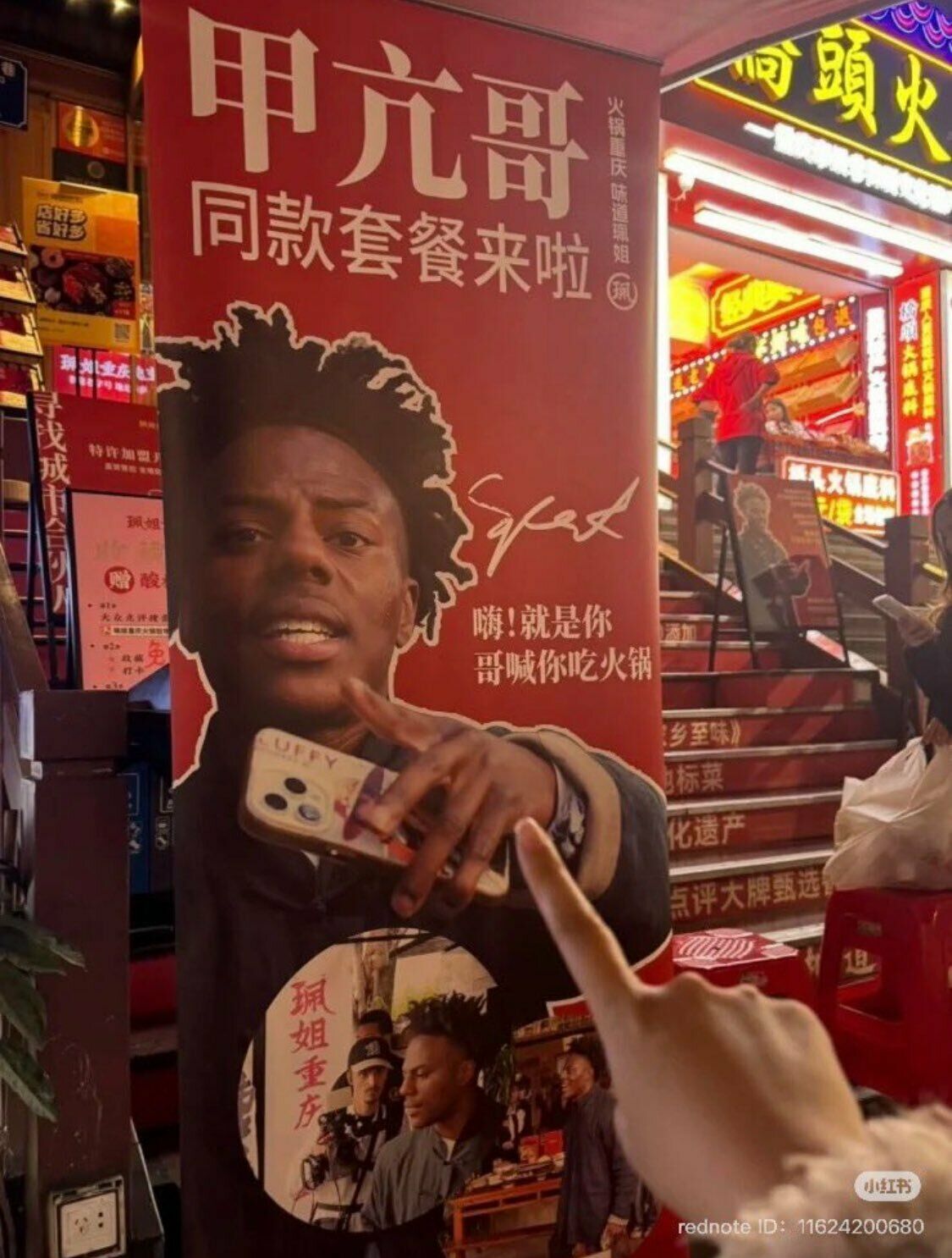
Even in the face of governments, firewalls, and platform limitations, users log on. They find not just a feed, but each other. Through images, ambiguous, playful, and open to interpretation, they discover that aesthetic fluency, humour, and visual literacy can produce real, if fleeting, forms of intimacy and understanding. The very indeterminacy of images makes them ideal for exchange across contested spaces, allowing expression to emerge in the shared intentions of both sender and receiver. This cross-cultural encounter is generative precisely because the interface encourages networked participation over passive consumption, mediating both constraint and possibility, and leaving room for improvisation and negotiation.
What RedNote illustrates is how these practices can be amplified in networked, participatory spaces, where recursivity, feedback loops, and algorithmic structures intersect with human creativity.
The RedNote exodus, then, is both a cautionary tale and a source of inspiration. It reminds us that photographic and visual media are not only about images themselves, but about the systems and audiences that shape them. The networked audience is active, relational, and co-creative; the interface mediates meaning, context, and exchange; and the act of posting, sharing, and remixing becomes both a political and aesthetic gesture. And in that recursive, networked attention, we glimpse the potential of a truly participatory visual culture.
And there’s hope.
___
This article forms part of Networking the Audience, a themed online publication guest-edited by Will Boase and Andrea Stultiens, developed in collaboration with MAPS (Master of Photography & Society) at KABK The Hague. The contributions emerge from an open call shared across the MAPS network, including alumni, and bring together artistic and critical perspectives on photography, publishing, and circulation.
Together, the nine contributions reflect on how digital systems reshape authorship, readership, and meaning-making, foregrounding publishing itself as a creative and relational practice. Rather than addressing a fixed audience, the series explores how images and texts move through fluid, networked publics.