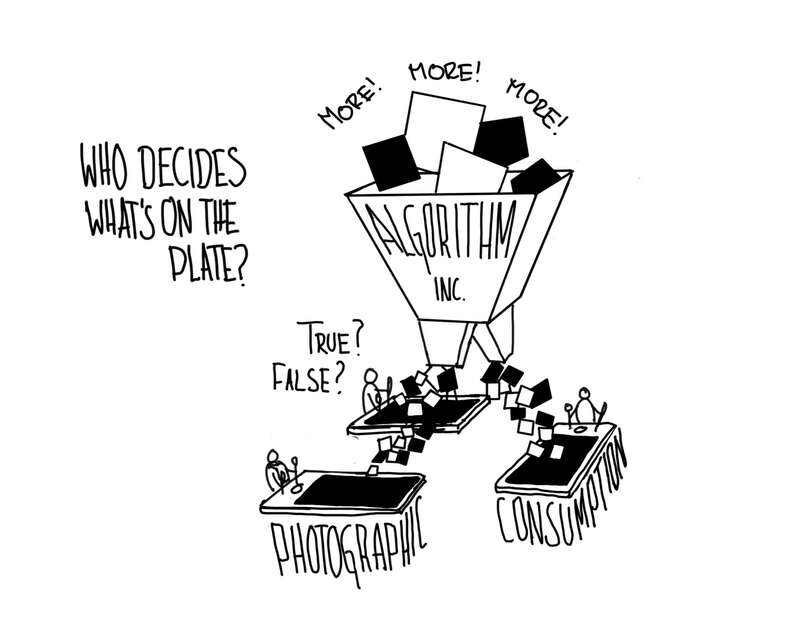
Coming from photojournalism, I have the suspicion that as image-makers, we have to deal with a stubborn misunderstanding: that our power supposedly lies in where we make our images and what we make them of – what we shine a light on. While the truth, I guess, was always that power lies in where we can eventually take those images to, and to what end.
I’m not surprised that this misunderstanding exists: newspapers, magazines, and galleries used to give access to a large audience, otherwise unreachable on that scale, making visibility equal success, while the outlets kept their agency over the content and form of their publications and made ad-driven profit of them. The assumed role of the photographer was production, not distribution. (Their benefit, I guess, a stroked ego and the feeling of being on the right side of history?).
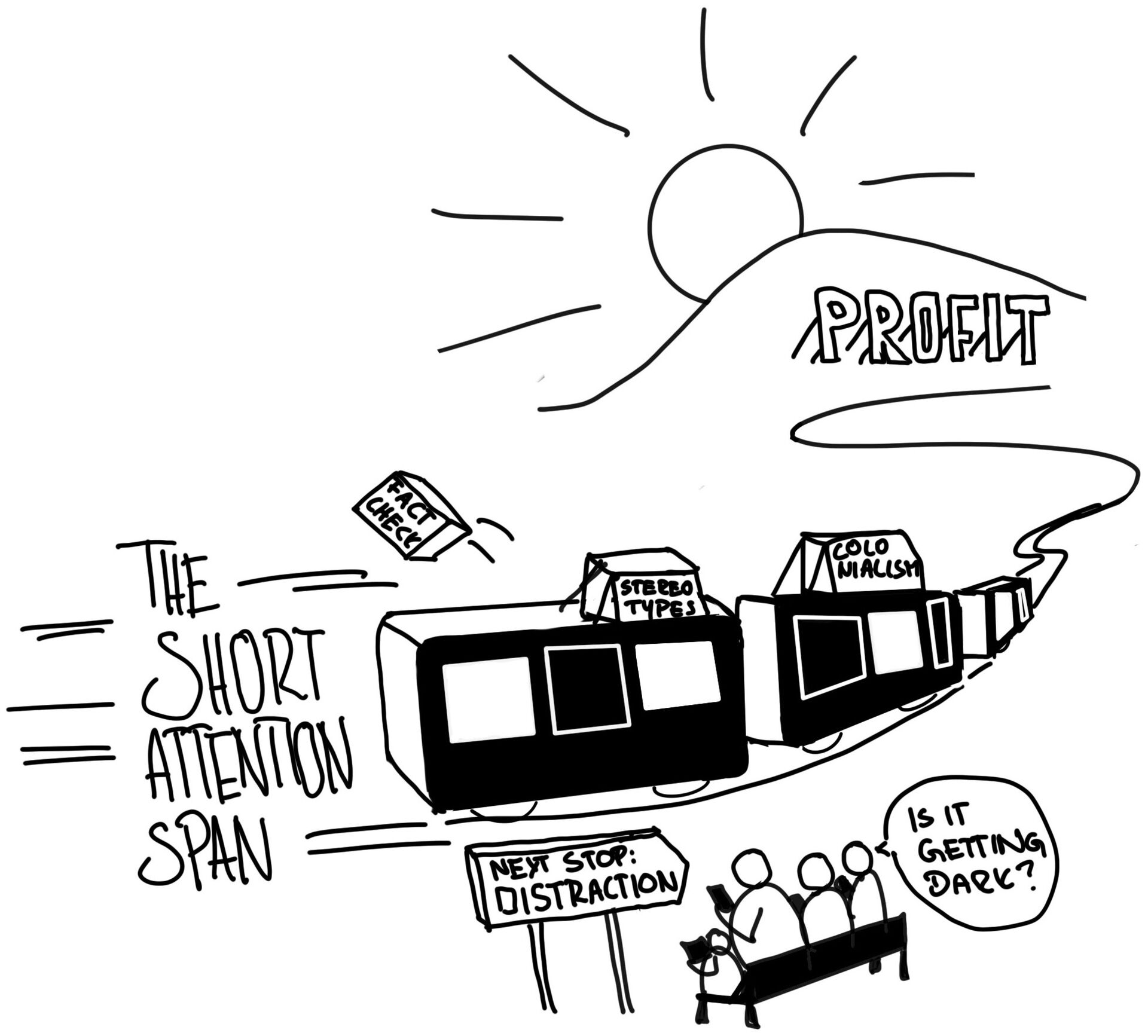
Today, however, we’re living in the era of what Yanis Varoufakis calls technofeudalism:Varoufakis, Yanis (2024): Technofeudalism. What Killed Capitalism. London, Melville House Publishing. be it Amazon or Meta, huge profit is created by making everyone dependent on the platform that they’re allowed to offer and perform their labour on, with black-boxed access, endless hunger for more, and little say over its orientation (which currently moves clearly right-wing). Our collective attention is kept in a cage with invisible walls, and the aesthetic of images is more profitable than their ability to make us think. Media outlets and art institutions are struggling to position themselves within this new reality, and old business models are failing.
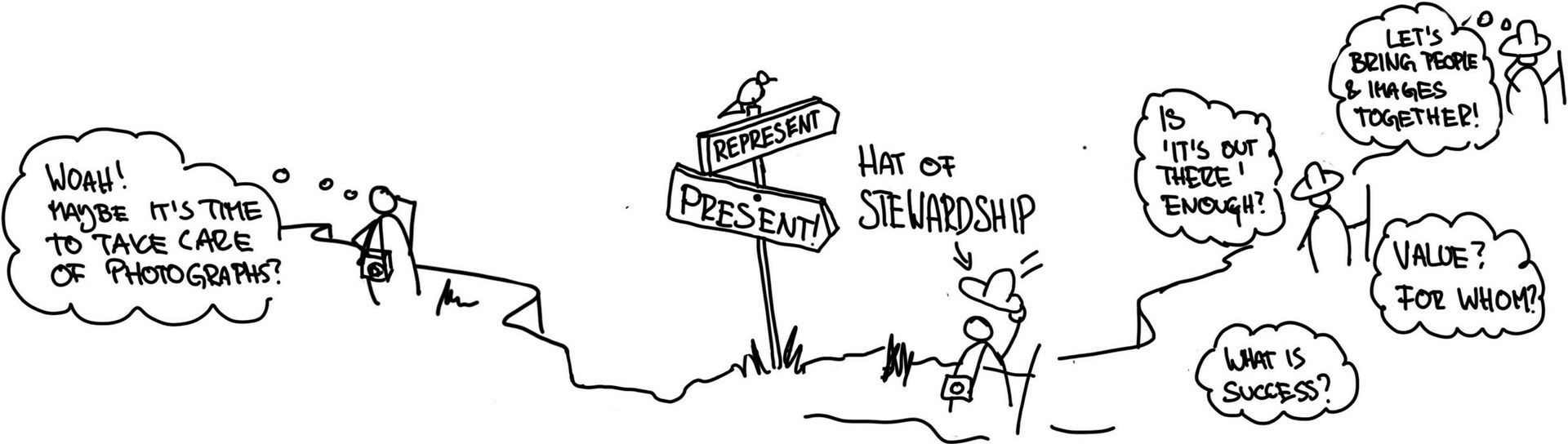
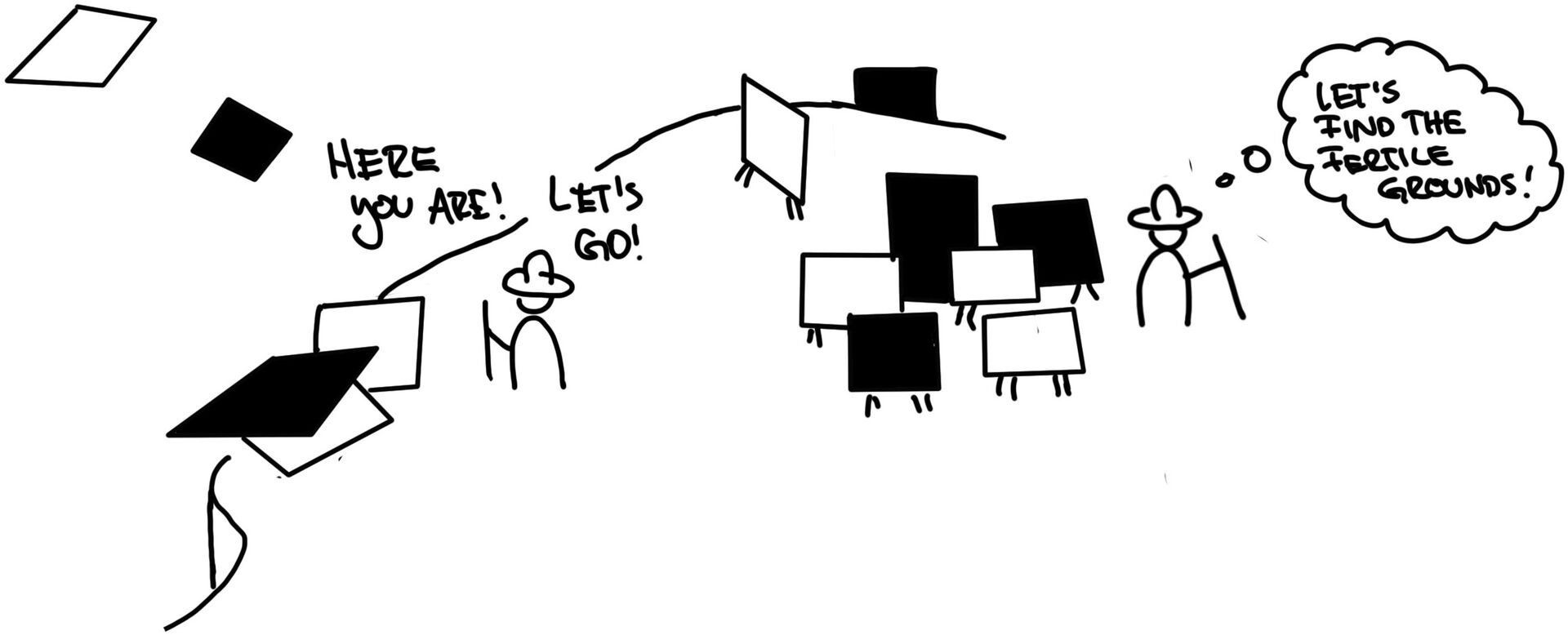
It seems to me that there’s no better time to reclaim (real) power as image-makers. As one of them, I sometimes feel like a parent: I guess nobody cares as much about my creations as much as I do (even if I struggle to love them sometimes). In the past, that caused all kinds of frustrations, but something changed: as old certainties crumble, I’ve taken the hat of stewardship for my images more firmly, gathering them like a herd, with the mission to lead them away from drought to fertile grounds – from second-hand entertainment to direct communication with stakeholders and previously oblivious bystanders, because this is where I find value lies.
I understand stewardship to be different than authorship or ownership. It means taking care of, with an eye to a sustainable future, taking responsibility of the resources available now and in the long term. To me, attention is one of those resources. Where does it get scattered mindlessly and where does it thrive? Power does not equate to maximum visibility for the artist as person, but in being able to have a say in how and where the ideas and topics one finds important take up space, instead of some authoritarian bullshit.
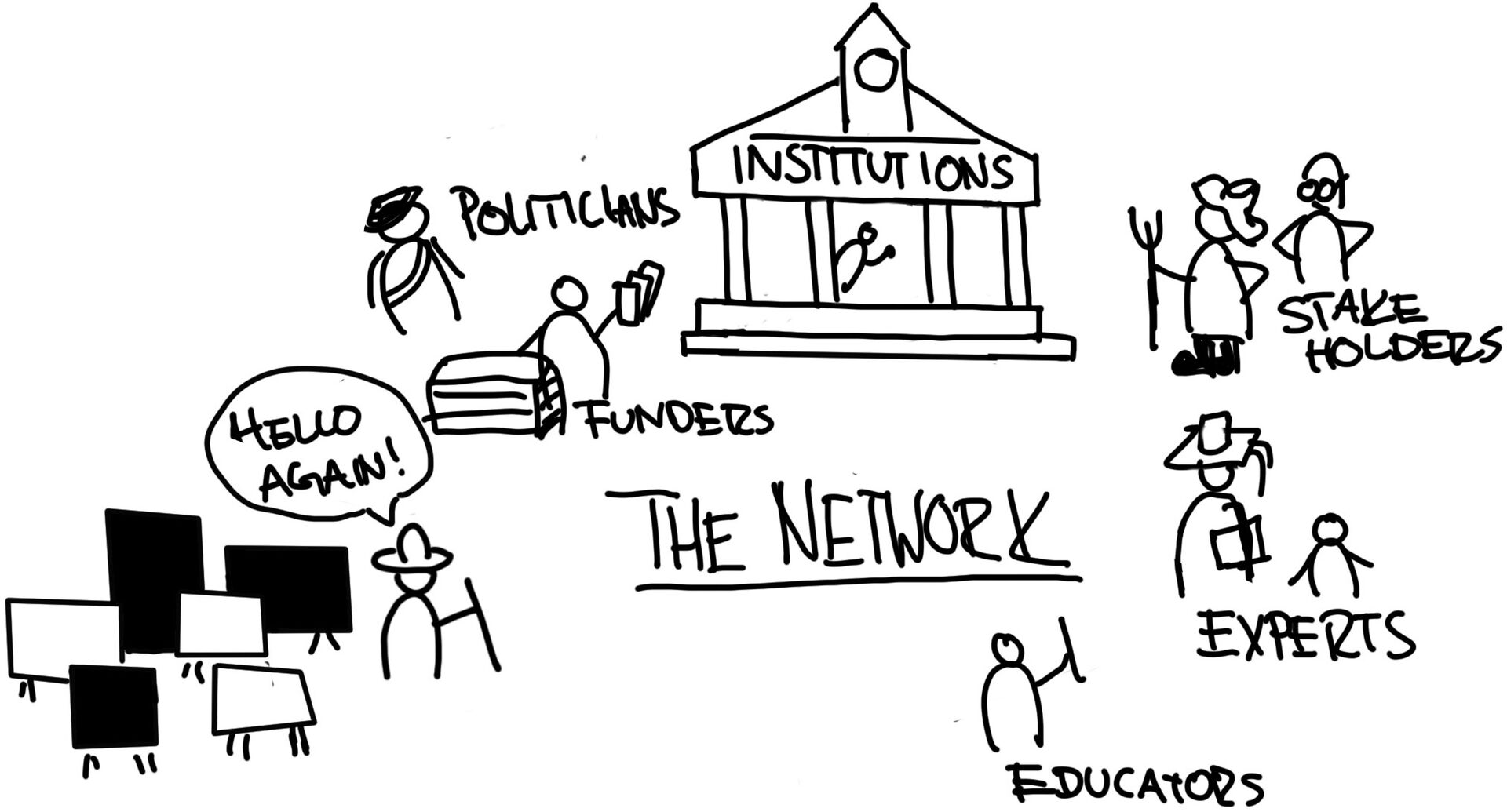
Who is photography for?Half Moon Photography Workshop (1976): Statement of Aims. Camerawork. Issue 1. p.9 is an old question. I see a new urgency, though. As the established channels run dry or get diverted, we’re all the more well-advised to reinvent them. At best, we’d do this collectively, with participation extending beyond image-makers and publishers. With human benefit in focus, not corporate.
As someone who works in depth with imagery of professional nursing, I think it’s rewarding to think about how we take care in the digital space. Good care acknowledges our interdependence, not as a luxury but as a fact. At its core, care needs to be flexible and responsive to changing context, circumstance, and individual needs. To make relevant progress with publishing, these principles can serve as guidelines – how do we make use of the possibilities of flexibility and responsiveness that digital space offers, instead of wrestling them to the ground to mimic traditional formats?
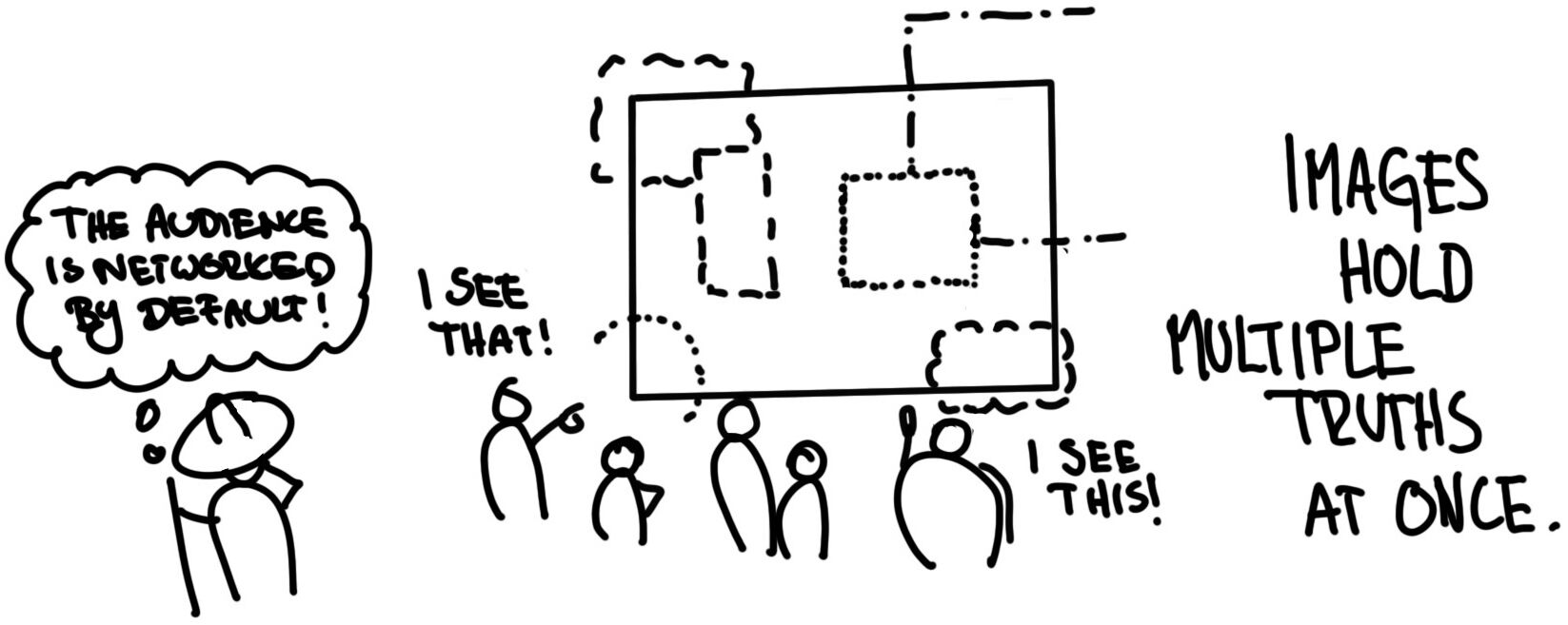
It’s energizing to think of a publication that is multidimensional and less linear, which mirrors our interdependence – able to connect sources, concepts, and media formats, aiming at relevance. At best, this allows the audience to explore and contribute, making it a dialogue, not a monologue. Can we let audiences curate their own publication while visiting an exhibition, having it printed at the end of their visit (or sent to them after)? What could an interactive, messenger-based newsletter look like? Could we have PDF publications with built-in forum functions, to allow a direct discourse instead of hopefully adding to a more abstract one? The possibilities of a connection of the analogue and digital realm are intriguingly expansive, when we really think about it.
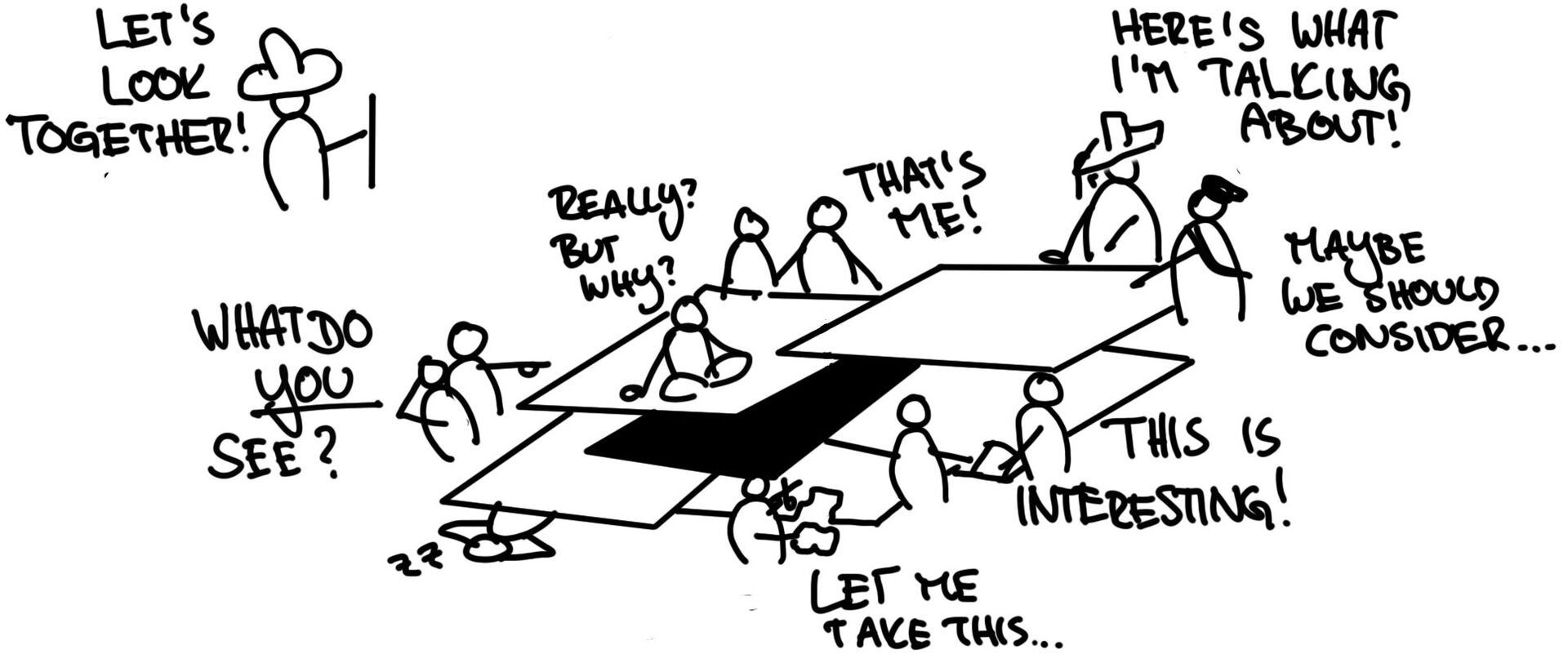
However, when it comes to putting these ideas into actual practice, we’re slow to embrace our power. I guess this mirrors the challenge of transformation in general – real transformation is systemic, not individual, and to make things work you need enough people to let go of their branch collectively, to jump into the void more or less at the same time. Do we take an experiment seriously even though it’s not polished yet? Can we extend trust, invest time, and take financial risk, if the outcome – and individual benefit from it – is not determined?
Still, I’m amazed that we’d rather stick with whether a work is considered good, bad, or award-worthy by traditional standards, in established publishing formats, so that it can be taken seriously by – whom, really? Who are we actually trying to impress? An industry with an expiration date?
___
This article forms part of Networking the Audience, a themed online publication guest-edited by Will Boase and Andrea Stultiens, developed in collaboration with MAPS (Master of Photography & Society) at KABK The Hague. The contributions emerge from an open call shared across the MAPS network, including alumni, and bring together artistic and critical perspectives on photography, publishing, and circulation.
Together, the nine contributions reflect on how digital systems reshape authorship, readership, and meaning-making, foregrounding publishing itself as a creative and relational practice. Rather than addressing a fixed audience, the series explores how images and texts move through fluid, networked publics.